

What Is a Head Gasket?
A head gasket is a critical engine component that seals the cylinder head to the engine block, preventing combustion gases, coolant, and oil from mixing.
When a head gasket fails, it can lead to compression loss, overheating, and severe engine damage.
Why Head Gasket Failure Is Common in Classic Cars
Classic car engines are more vulnerable to head gasket failure due to:
- Aging materials and gaskets
- Repeated overheating over time
- Warped cylinder heads from heat cycles
- Improper torque or past repairs
- Cooling system inefficiencies
At Coastline Classic Car Restorations, head gasket failure is one of the most common causes of compression loss we diagnose during engine inspections.
Many of these issues develop alongside broader classic car engine problems that worsen over time if not properly addressed.
Most Common Symptoms of a Blown Head Gasket
Recognizing early symptoms can prevent catastrophic engine damage.
White Smoke from Exhaust
Coolant entering the combustion chamber burns and produces thick white smoke.
Unlike normal condensation, this smoke is persistent after warm-up and often has a slightly sweet smell caused by burning coolant.
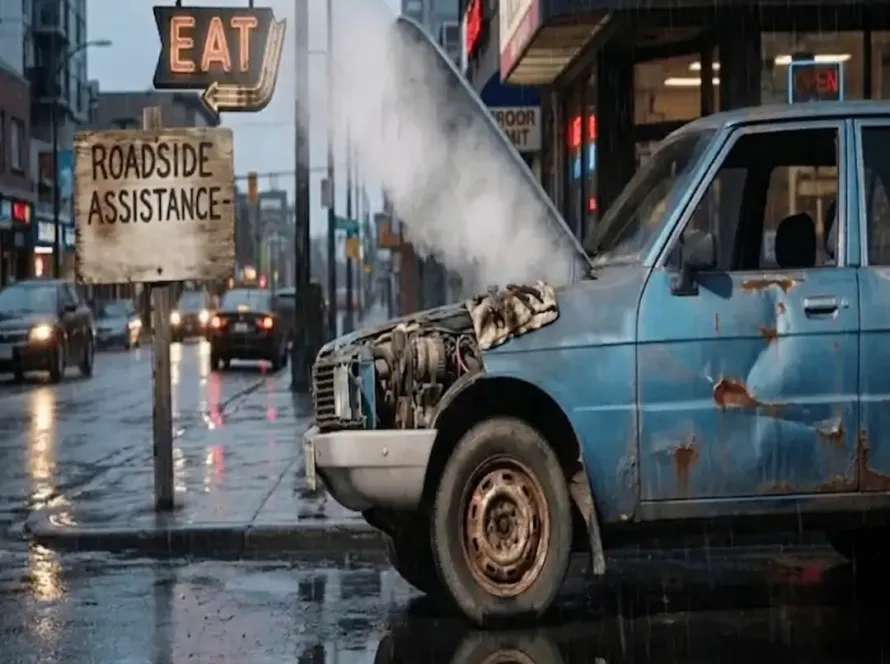
Overheating Engine
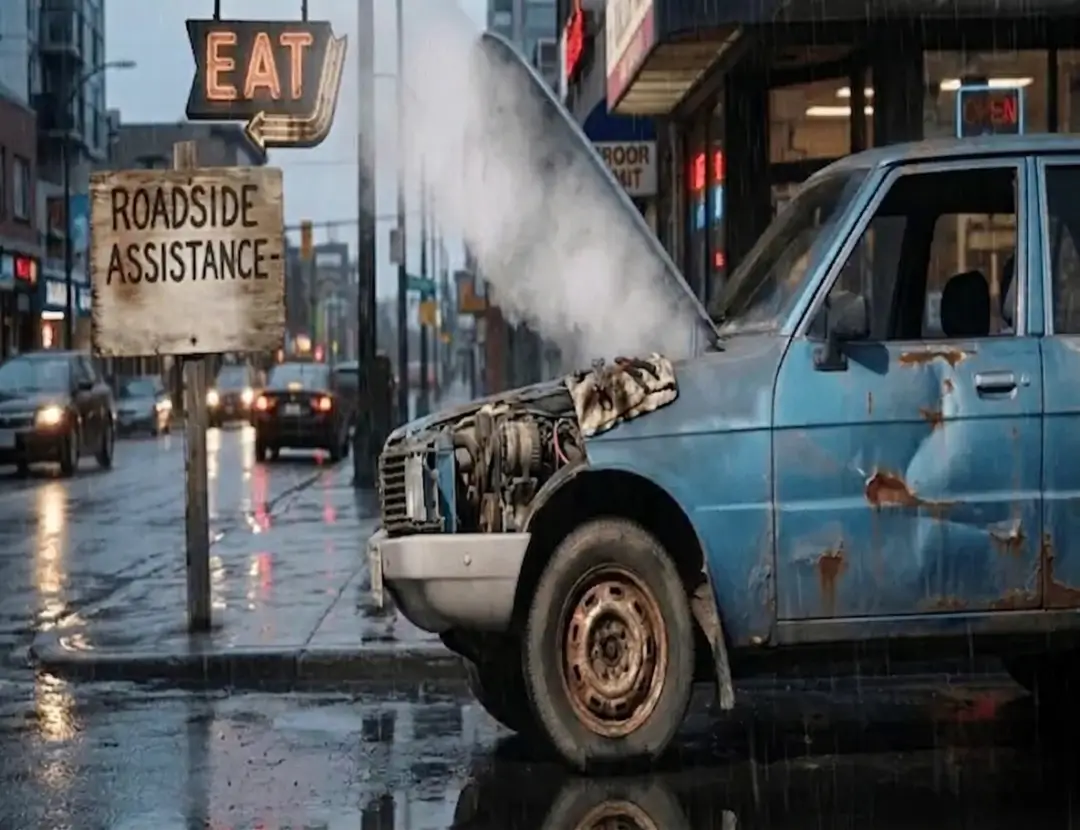
A failing gasket disrupts cooling system pressure and causes overheating.
Loss of Engine Compression
Head gasket failure often results in low compression in adjacent cylinders, a key sign found during a compression test.
Milky Oil (Coolant Contamination)
Oil may appear milky or foamy due to coolant mixing.
This is often referred to as the “milkshake effect,” where coolant mixes with engine oil and creates a creamy, frothy residue visible on the dipstick or oil filler cap — a strong indicator of internal gasket failure.
Bubbles in Radiator or Coolant Reservoir
Combustion gases leaking into the cooling system create visible bubbling.
In more severe cases, this can appear as continuous or “geyser-like” bubbling in the radiator or expansion tank.
Engine Misfires or Rough Running
Loss of compression affects combustion efficiency and causes rough engine performance.
What Causes Head Gasket Failure?

1. Overheating (Primary Cause)
Prolonged overheating is the leading cause of gasket failure, as excessive heat can warp the cylinder head or engine block and permanently break the seal.
2. Age and Material Breakdown
Many original classic car gaskets were made from older composite materials that become brittle over time, especially in vehicles that have sat unused for long periods.
3. Improper Installation
Incorrect torque specs or uneven tightening can lead to premature failure.
4. Engine Detonation (Knocking)
Pre-ignition or engine knocking creates abnormal pressure inside the combustion chamber, which can weaken and eventually blow the gasket.
5. Cooling System Failure
Cooling system issues can trigger overheating and gasket damage.
These are often early warning signs you should not ignore, especially if you’re already noticing symptoms outlined in the signs your classic car engine needs rebuilding.
How to Diagnose Head Gasket Failure
Accurate diagnosis is critical before deciding on repair or rebuild.
Compression Test
Low compression in adjacent cylinders strongly indicates gasket failure.
This is often the first and most important diagnostic step, as it quickly reveals whether the engine is losing pressure internally.
If you’re not familiar with the process, you can follow this guide: How to Do a Compression Test on a Classic Car Engine.
A properly performed compression test helps confirm whether the issue is related to the head gasket, piston rings, or valve damage.
Leak-Down Test
Helps pinpoint exactly where pressure is escaping within the engine.
Unlike a compression test, this method identifies whether the leak is coming from the intake valves, exhaust valves, piston rings, or head gasket.
Cooling System Pressure Test
Used to determine whether the system can hold pressure or is leaking internally.
Block Test (Chemical Test)
A combustion leak detector fluid is used to identify exhaust gases in the coolant.
The fluid changes color (typically blue to yellow/green) if combustion gases are present.
Bubble Test
Steady bubbling in the radiator neck while the engine is running may indicate combustion gases entering the cooling system.
Real Diagnostic Example (From a Classic Engine)
- Cylinder 1: 150 PSI
- Cylinder 2: 148 PSI
- Cylinder 3: 95 PSI
- Cylinder 4: 92 PSI
Adjacent low cylinders typically indicate a head gasket failure between cylinders.
Head Gasket Failure vs Other Engine Problems
| Issue | Key Difference |
| Worn piston rings | Compression improves with wet test |
| Valve damage | Usually affects a single cylinder |
| Head gasket failure | Adjacent cylinders lose compression |
Composite vs Multi-Layer Steel (MLS) Head Gaskets
Modern replacement gaskets vary in design and application:
Composite Gaskets:
More flexible and forgiving, making them suitable for older engines with slight surface imperfections.
Multi-Layer Steel (MLS) Gaskets:
More durable and stronger, but require perfectly machined surfaces for proper sealing.
In restoration work, selecting the correct gasket type depends on engine condition and build quality.
Can You Drive with a Blown Head Gasket?
No — it is not recommended.
Driving with a failed head gasket can cause:
- Severe overheating
- Warped cylinder head
- Complete engine failure
In many cases, delaying repairs can escalate the problem — learn more about what happens if you don’t rebuild a classic car engine and how damage progresses over time.
Repair vs Rebuild: What’s the Right Option?
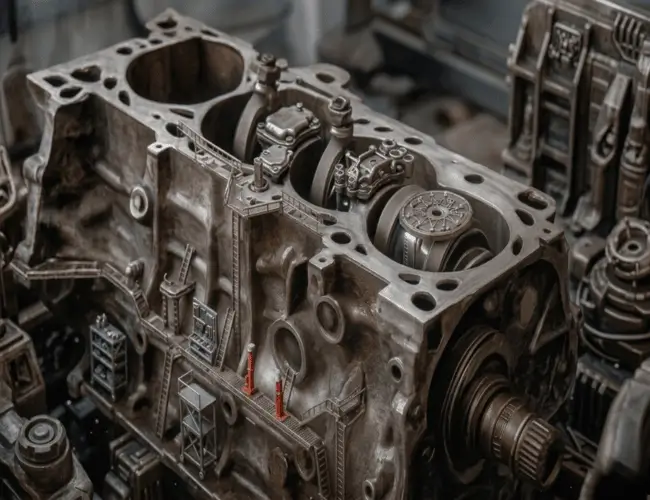
Repair May Be Enough If:
- Damage is limited to the gasket
- Cylinder head is not warped
- Engine internals are still in good condition
Rebuild May Be Required If:
- Overheating caused internal damage
- Compression loss is widespread
- Engine wear is significant
In these situations, it’s important to evaluate engine rebuild vs replacement before proceeding.
Cost Considerations for Head Gasket Repair
Although the gasket itself is relatively inexpensive, the repair is labor-intensive because it requires significant engine disassembly.
Labor costs often represent the majority of the expense.
A common guideline is:
If repair costs approach 50% or more of the vehicle’s value, a full rebuild or replacement may be the better long-term option.
Some temporary solutions, such as gasket sealers, may provide short-term relief for minor leaks, but they are not considered a reliable permanent fix.
If deeper repairs are needed, understanding classic car engine rebuild cost can help set realistic expectations.
How to Prevent Head Gasket Failure
Preventative maintenance is essential:
- Maintain cooling system components
- Monitor engine temperature
- Use correct coolant mixture
- Address overheating immediately
- Perform regular inspections
Common Mistakes That Lead to Head Gasket Failure
- Ignoring overheating warnings
- Running low on coolant
- Poor maintenance practices
- Improper engine assembly
Frequently Asked Questions
How long does a head gasket last?
It varies depending on maintenance, engine condition, and usage.
Can a head gasket fail without overheating?
Yes, especially in older engines where materials have degraded over time.
Is head gasket repair always expensive?
Not always, but delaying repairs can lead to significantly higher costs.
Can I fix a head gasket myself?
Possible for experienced mechanics, but proper tools and torque procedures are critical.
Final Thoughts: Diagnose Early, Avoid Major Damage
Head gasket failure is one of the most serious issues affecting classic car engines.
Early detection through proper diagnostics can prevent:
- Major engine damage
- Expensive repairs
- Long-term performance loss
At Coastline Classic Car Restorations, head gasket issues are commonly identified during engine inspections across Huntington Beach and Orange County.
If your engine shows signs of overheating, compression loss, or coolant contamination, a professional evaluation can determine whether repair or full engine rebuilding is the best solution
If you’re considering professional help, you can explore our classic car engine rebuilding & restoration services for a complete diagnostic and rebuild process.
This ensures you’re fully prepared for break-in procedures, performance expectations, and long-term maintenance.