

A professional classic-car engine rebuild may cost approximately $5,000–$10,000 for a relatively straightforward project.
Rare, extensively damaged, numbers-matching, factory-correct, or performance-oriented engines may cost $10,000–$20,000 or more.
Limited machine work or a partial overhaul may cost less, but it should not be compared with a complete rebuild.
The final cost depends on:
- Engine type and condition
- Machine work required
- Parts availability
- Stock, restoration, or performance goals
- Engine removal and installation
- Supporting cooling, fuel, ignition, and exhaust work
A final price often cannot be established until the engine has been disassembled, cleaned, measured, and inspected.
Pricing note: These figures are broad planning ranges, not fixed quotes. Labor rates, parts costs, engine condition, and project scope vary.
Classic-Car Engine Rebuild Cost by Project Level
The term “engine rebuild” is not a standardized package. Two shops may use the same term while including very different services.
Limited Machine Work or Partial Overhaul: $2,500–$5,000+
A limited project may include:
- Cleaning and inspection
- Gaskets, seals, and bearings
- Limited cylinder-head work
- Cylinder honing when measurements allow
- Replacement of selected components
- Partial engine reassembly
This price range may not include engine removal, installation, extensive machining, new pistons, crankshaft work, tuning, or repairs to supporting systems.
A partial overhaul is not necessarily equivalent to a complete engine rebuild.
Standard Complete Rebuild: $5,000–$10,000+
A standard professional rebuild may include:
- Complete disassembly
- Cleaning and measurement
- Crack inspection
- Cylinder-head and valve work
- Oil-pump and timing components
- Engine reassembly and testing
The exact price depends on what can be reused and what inspection reveals.
Restoration or Performance Rebuild: $10,000–$20,000+
A more complex rebuild may include:
- Rare or custom components
- Numbers-matching preservation
- Extensive casting repair
- Blueprinting and balancing
- Dyno testing
Rare European engines, highly modified engines, and severely damaged castings may exceed these ranges.
What Does an Engine-Rebuild Estimate Include?
Before comparing prices, determine exactly what each shop includes.
An estimate may cover only machine work and engine assembly, while another may include the complete removal-to-installation process.
Ask whether the quoted price includes:
- Engine removal
- Complete disassembly
- Cleaning and inspection
- Crack testing
- Block machining
- Crankshaft work
- Cylinder-head and valve work
- Pistons, rings, bearings, and gaskets
- Reinstallation
- Fluids and filters
- Warranty coverage
A lower quote may not be less expensive if several necessary services are excluded.
What Affects Classic-Car Engine Rebuild Cost?
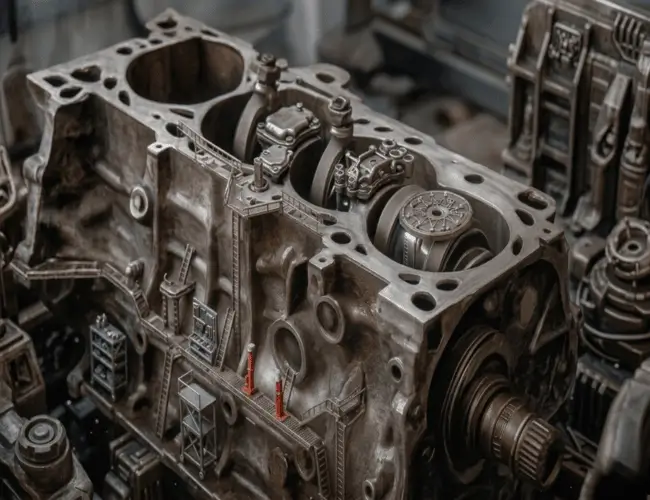
Engine design and accessibility
Cost can vary according to:
- Number and arrangement of cylinders
- Pushrod or overhead-cam design
- Engine rarity
- Vehicle access
- Removal and installation difficulty
- Complexity of accessories and related systems
A common engine with readily available parts may cost less than a rare engine requiring specialized knowledge and custom components.
However, engine condition can matter more than displacement alone.
Existing engine condition
An engine with normal cylinder and bearing wear may need routine machining and replacement parts.
Costs can increase when inspection reveals:
- Cracked or corroded castings
- Deep cylinder-wall damage
- Worn crankshaft journals
- Bearing failure
- Oil-starvation damage
- Broken internal components
- Poor previous repairs
These conditions are often impossible to evaluate fully while the engine remains assembled.
Machine work required
Possible machine-shop operations include:
- Cylinder honing or boring
- Block-deck resurfacing
- Cylinder-head resurfacing
- Valve-seat and valve-guide work
- Rotating-assembly balancing
- Crack inspection and casting repair
Not every engine requires every operation. Machine work should be based on documented measurements rather than a standard list applied to every project.
Parts availability
Classic engines may require:
- Readily available replacement parts
- Reproduction components
- New old stock
- Restored original components
- Custom-made pistons or bearings
- Rare gaskets, valves, or valvetrain parts
Rare and custom components can increase both cost and turnaround time.
Originality and performance goals
A stock rebuild is not always the same as a factory-correct restoration.
A numbers-matching or concours-oriented engine may require:
- Preservation of original castings
- Correct finishes and hardware
- Date-correct components
- Specialized repair rather than replacement
- Detailed documentation
A performance build may require upgraded pistons, connecting rods, camshaft, valvetrain, oiling, cooling, fuel delivery, and balancing.
Removal, installation, and supporting systems
The engine itself may not be the only source of expense.
Related work may include:
- Engine mounts
- Cooling-system repairs
- Carburetor or fuel-system service
- Ignition corrections
- Exhaust work
- Belts, hoses, and accessories
- Transmission seals or related components
- Startup, break-in, and tuning
Ask whether these services are included, optional, or quoted separately.
Why Does the Price Change After Teardown?
An engine-rebuild estimate may develop through three stages:
1. Preliminary estimate
The shop estimates the likely scope using the engine type, symptoms, available records, test results, and restoration goals.
2. Teardown and inspection
Once disassembled and cleaned, the shop can inspect:
- Cylinder dimensions
- Crankshaft condition
- Corrosion
- Previous repairs
- Parts that can be reused
3. Final approved scope
The shop defines required machining, replacement parts, optional upgrades, assembly work, and related repairs.
Teardown reduces uncertainty, but additional issues can still appear during machining, parts sourcing, assembly, or initial testing.
A reputable shop should document its findings and obtain approval before performing work outside the agreed scope.
Common Additional Expenses
Potential expenses discovered during the project include:
- Crankshaft repair or replacement
- New pistons after cylinder boring
- Cylinder-head crack repair
- Valve-guide or valve-seat replacement
- Connecting-rod reconditioning
- Oil-pump and lubrication-system damage
- Carburetor or ignition service
- Custom or unavailable parts
- Shipping and outside machine-shop services
These items should not automatically be treated as unnecessary “upsells.” Ask the shop to explain why each item is required and how it affects reliability, originality, or performance.
How to Avoid Unexpected Costs
You cannot eliminate every uncertainty, but you can manage the project more effectively.
- Diagnose the problem before authorizing major work
- Request a written preliminary scope
- Establish an approval limit for additional work
- Request documentation of damage and measurements
- Confirm parts brands and availability
- Ask whether installation and tuning are included
- Review warranty and break-in requirements
- Keep valuable original components unless disposal is authorized
If you are unsure whether internal wear is serious enough to justify rebuilding, review the signs your classic-car engine may need rebuilding.
Frequently Asked Questions
How much does a classic-car engine rebuild cost?
A relatively straightforward professional rebuild may cost approximately $5,000–$10,000. Complex restoration, rare-engine, performance, or severely damaged projects may cost $10,000–$20,000 or more.
Does that price include removing and reinstalling the engine?
Not always. Some quotes cover machine work and assembly only. Ask whether removal, installation, fluids, startup, tuning, and related repairs are included.
Why can the estimate change after teardown?
Teardown reveals cylinder wear, cracks, crankshaft damage, corrosion, previous repairs, and other conditions that cannot be confirmed externally.
How do I know whether a quote is fair?
A useful quote identifies included labor, machine work, parts, exclusions, provisional costs, approval procedures, and warranty terms. Compare scope—not only price.
Is rebuilding less expensive than replacement?
Not always. Compare the complete rebuild cost with the total installed cost of a replacement engine.
Originality, compatibility, modifications, and collector value also matter. See our engine rebuild versus replacement guide.
Request a Classic-Car Engine Rebuild Estimate
The most accurate rebuild estimate begins with proper diagnosis and a clearly defined scope.
At Coastline Classic Car Restorations in Huntington Beach, we evaluate engine condition, originality, parts requirements, machine work, and restoration goals before recommending a rebuild plan.
Request an engine evaluation or learn more about our classic-car engine rebuilding and restoration services.