

What Actually Changes After an Engine Rebuild?
After a properly rebuilt engine, your classic car should:
- Run smoother
- Respond better to throttle input
- Deliver more consistent power
- Operate more reliably
However, it’s important to understand:
A rebuilt engine does not perform at its best immediately. This is one of the most misunderstood aspects of engine rebuild results, especially for first-time classic car owners.
It requires a break-in period, proper lubrication, and post-rebuild tuning before reaching full performance.
Many customers ask:
What should I expect after an engine rebuild?
- Improved performance and smoother operation
- Increased reliability and engine efficiency
- A required break-in period (500–1,000 miles)
- Minor tuning adjustments after initial driving
Performance Improvement After an Engine Rebuild
A rebuilt engine restores performance lost due to mechanical wear, poor compression, and inefficient combustion.
Most drivers notice:
- Smoother acceleration
- Improved throttle response
- Reduced vibration
- More stable engine operation
Rebuilding restores original efficiency and tolerances — it does not automatically increase horsepower unless performance upgrades are included.
If you’re unsure whether a rebuild was necessary in the first place, reviewing the signs your classic car engine needs rebuilding can help clarify when performance loss reaches a critical stage.
Factory Specs vs Rebuild Tolerances (What Actually Changes)
| Component | Factory Specs (Original) | Rebuild Tolerances (Restored) |
|---|---|---|
| Cylinder Compression | Often uneven after wear | Balanced and restored across cylinders |
| Piston Ring Seal | Degraded over time | Re-seated for optimal sealing |
| Bearing Clearances | Increased due to wear | Reset to precise specifications |
| Oil Consumption | Higher due to wear | Reduced with proper sealing |
| Engine Efficiency | Declines over time | Restored closer to original levels |
A properly rebuilt engine restores internal tolerances closer to factory specifications, improving efficiency, reliability, and overall engine balance.
These values may vary depending on engine type, rebuild quality, and component specifications.
Reliability Improvements
The primary benefit of an engine rebuild is long-term mechanical reliability when the rebuild is performed to proper tolerances and specifications.
After rebuilding, the engine should:
- Maintain stable compression across cylinders
- Reduce oil consumption
- Run at consistent operating temperatures
- Operate with fewer internal stress points
A properly rebuilt engine can last 50,000–100,000+ miles, depending on build quality, driving habits, and maintenance.
Many of these improvements directly address underlying classic car engine problems that develop over time.
Break-In Period (Critical Phase After Engine Rebuild)
New internal components must properly seat and adapt under controlled load. This engine rebuild break-in period is critical for long-term performance, compression stability, and durability
This includes:
- Piston rings seating against cylinder walls
- Bearings aligning with crankshaft journals
- Camshaft and valvetrain wear patterns forming
According to industry guidance, the break-in period of a rebuilt engine is essential because it allows critical internal components—such as piston rings and bearings—to properly seat and develop correct wear patterns, directly influencing long-term performance, efficiency, and engine reliability.
Professional engine builders understand that proper break-in procedures directly affect piston ring sealing, oil control, and long-term engine performance.
How to Drive After an Engine Rebuild
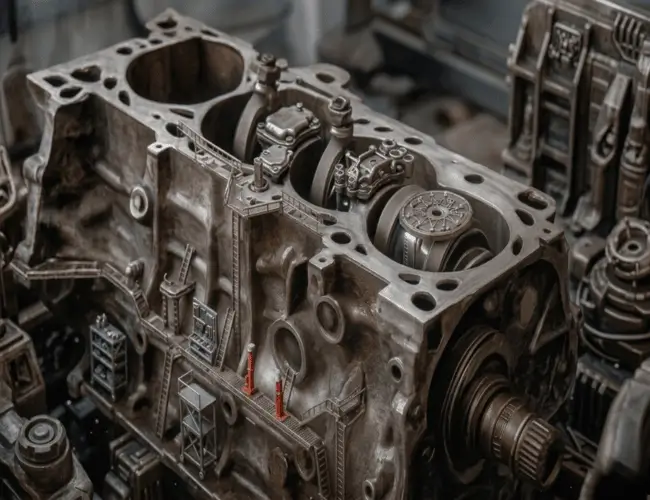
For the first 500–1,000 miles:
- Avoid high RPMs
- Avoid hard acceleration
- Vary engine speed (do not hold constant RPM)
- Take shorter drives initially
- Gradually increase engine load
Controlled pressure cycles help achieve proper sealing, optimal combustion efficiency, and long-term durability.
Expert Insight: Critical Break-In Factors
Professional engine builders pay close attention to:
- Engine load cycles → Needed for proper piston ring sealing
- Lubrication quality → Especially important for classic engines
- Oil type (ZDDP additives) → Protects flat tappet camshafts
- Temperature control → Prevents thermal stress during early operation
For example, flat tappet camshafts often require an initial break-in at 2,000–2,500 RPM for 20–30 minutes to ensure proper lubrication and prevent premature wear.
What Happens Inside the Engine After Rebuild
Piston Ring Seating
Piston rings must seal against cylinder walls to maintain compression and prevent oil blow-by.
Improper break-in can lead to:
- Poor compression
- Increased oil consumption
- Reduced engine efficiency
If compression issues persist, understanding how engine compression testing works can help identify whether sealing issues are present.
Oil Pressure Behavior
Oil pressure may vary slightly during initial startup but should stabilize quickly.
Low or inconsistent oil pressure is not normal and requires inspection.
Temperature Behavior
Slight variation is expected early on as components settle.
Overheating is not normal and may indicate cooling or tuning issues.
Normal vs Abnormal After a Rebuild
Normal (During Break-In)
- Light ticking or minor mechanical noise
- Slight oil consumption
- Small temperature variations
Not Normal (Requires Inspection)
- Loud knocking or metal-on-metal sounds
- Heavy or persistent smoke
- Rapid oil loss
- Overheating
In more serious cases, these symptoms may indicate issues similar to those described in head gasket failure in classic cars, which require immediate attention.
Maintenance After Engine Rebuild
Early maintenance plays a critical role in engine lifespan.
First Oil Change
- Typically at 500 miles
- Removes break-in debris and metal particles
Ongoing Monitoring
- Check oil condition regularly
- Inspect for leaks
- Monitor fluid levels
- Watch engine temperature and oil pressure
Engine Vibration After Rebuild
Normal:
- Light vibration during early break-in
- Slight roughness before tuning
Not Normal:
- Strong or increasing vibration
- Shaking at idle
- Vibration under load
These may indicate imbalance, misalignment, or improper tuning.
Post-Rebuild Tuning Adjustments
After the break-in phase, engines typically require:
- Ignition timing adjustment
- Carburetor or fuel system tuning
- Idle speed correction
- Air-fuel mixture balancing
Proper tuning ensures optimal combustion, smooth operation, and long-term engine efficiency.
Why a Rebuilt Engine May Feel “Off” Initially (And When It’s Normal)
Common causes include:
- Incomplete break-in
- Tuning not finalized
- Minor carburetor imbalance
- Ignition timing not optimized
These are normal and usually resolved through proper adjustments.
Engine Rebuild Timeline
- 0–50 miles → Initial component seating
- 50–500 miles → Controlled wear-in and pressure cycling
- 500–1,000 miles → Stabilization and improved performance
- 1,000+ miles → Full performance + tuning optimization
Common Mistakes After an Engine Rebuild
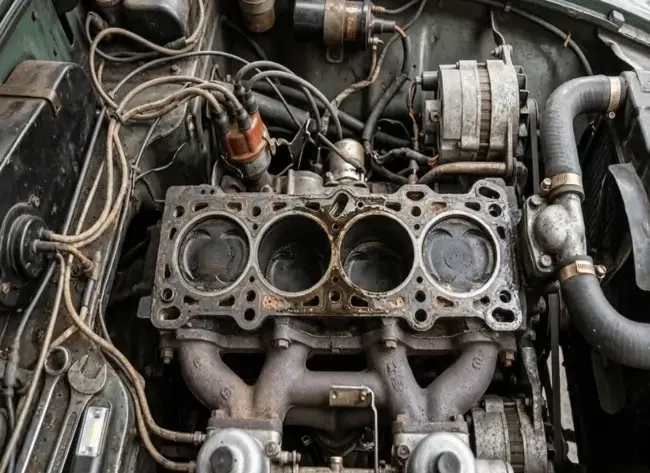
Avoid these critical errors:
- Driving too aggressively during break-in
- Driving too gently (insufficient load prevents proper sealing)
- Using incorrect oil or skipping ZDDP additives
- Skipping early oil change
- Ignoring tuning adjustments
- Allowing overheating during early operation
Rebuilt Engine vs New Engine (Quick Comparison)
- Rebuilt Engine → Restores original components to factory tolerances
- New Engine → Completely factory-new unit
Key differences:
- Cost → Rebuild is usually more cost-effective
- Originality → Rebuild preserves classic vehicle authenticity
- Performance → Similar if rebuilt correctly
- Longevity → Depends on build quality and maintenance
Understanding rebuild scope is essential:
Diagnose Before Evaluating Results
If performance feels inconsistent, the original issue may not have been fully diagnosed.
Reviewing common engine problems can help identify underlying causes.
Bottom Line
After an engine rebuild, expect the following results — especially when performed by a qualified classic car specialist in areas like Huntington Beach and Orange County:
- Restored performance
- Improved reliability
- A necessary break-in period
- Post-rebuild tuning adjustments
A rebuilt engine reaches its full potential only after proper break-in, lubrication, and tuning — not immediately.
Engine Rebuild Services in Huntington Beach
If you’ve recently rebuilt your engine or are planning to, proper execution and follow-up are essential.
At Coastline Classic Car Restorations in Huntington Beach, engine rebuild services focus on:
- Precision inspection and measurement
- Engine block and component evaluation
- OEM-aligned restoration standards
- Controlled break-in guidance
- Post-rebuild tuning support
If you’re planning a rebuild or need expert evaluation, explore our classic car engine rebuilding & restoration services in Huntington Beach & Orange County.
FAQs
How long does an engine rebuild last?
A properly rebuilt engine can last 50,000 to 100,000+ miles, depending on build quality and maintenance.
Can I drive long distance after an engine rebuild?
It’s not recommended during the first 500–1,000 miles. Short, varied drives are best during break-in.
Why is my rebuilt engine smoking?
Light smoke may occur initially, but persistent smoke could indicate improper ring seating or oil issues.
Is vibration normal after an engine rebuild?
Minor vibration can occur during break-in, but strong or increasing vibration is not normal.
Do rebuilt engines need special oil?
Yes, especially for classic cars. Oils with ZDDP additives are often recommended to protect internal components.