

One of the most common questions classic car owners ask—especially early in a restoration—is:
“What tools do I actually need, and what’s a waste of money?”
Many owners overspend on tools they’ll rarely use, while others attempt restoration work without the basics—leading to frustration, mistakes, or unnecessary costs.
This 2026 guide explains which classic car restoration tools are genuinely useful & which ones are often unnecessary.
It also helps owners think about tools realistically—especially in Huntington Beach & coastal Orange County, where corrosion and storage conditions play a significant role.
Why Tool Selection Matters in Classic Car Restoration
Classic car restoration involves:
- Older fasteners and materials
- Rusted or seized components
- Delicate trim and finishes
- Mechanical systems that require care, not force
Using the wrong tools can:
- Damage original parts
- Increase labor time
- Create safety risks
- Lead to costly rework
We often see owners invest heavily in tools early in a project, only to realize that inspection, planning, & corrosion assessment take priority over heavy modification work.
The goal isn’t owning every tool—it’s having the right tools for the right tasks.
Essential Tools Every Classic Car Owner Should Have
These tools are useful for nearly all classic car owners, even those not doing full restorations themselves.
Basic Hand Tools
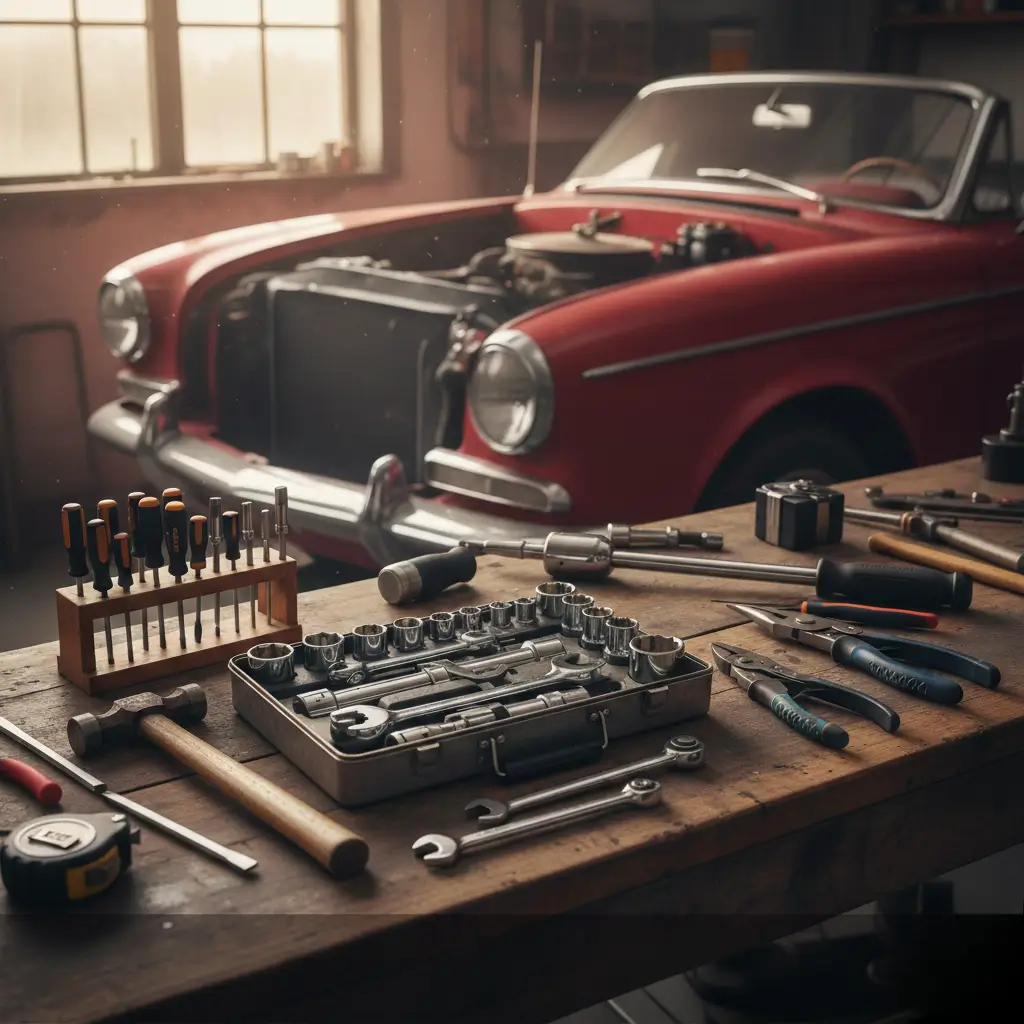
- Quality socket and wrench sets
- Screwdrivers in multiple sizes
- Pliers and locking pliers
- Torque wrench for proper assembly
Basic hand tools form the foundation of most classic car restoration projects & are used far more often than specialized equipment.
These are foundational and used constantly.
Inspection & Measurement Tools
- Flashlight or inspection light
- Magnet (for detecting filler)
- Measuring tools for alignment and gaps
- Compression tester (for basic engine evaluation)
Thorough inspection tools often save more money than fabrication tools because they prevent poor purchasing or repair decisions early in the process.
Good inspections prevent bad decisions.
Rust & Corrosion Assessment Tools
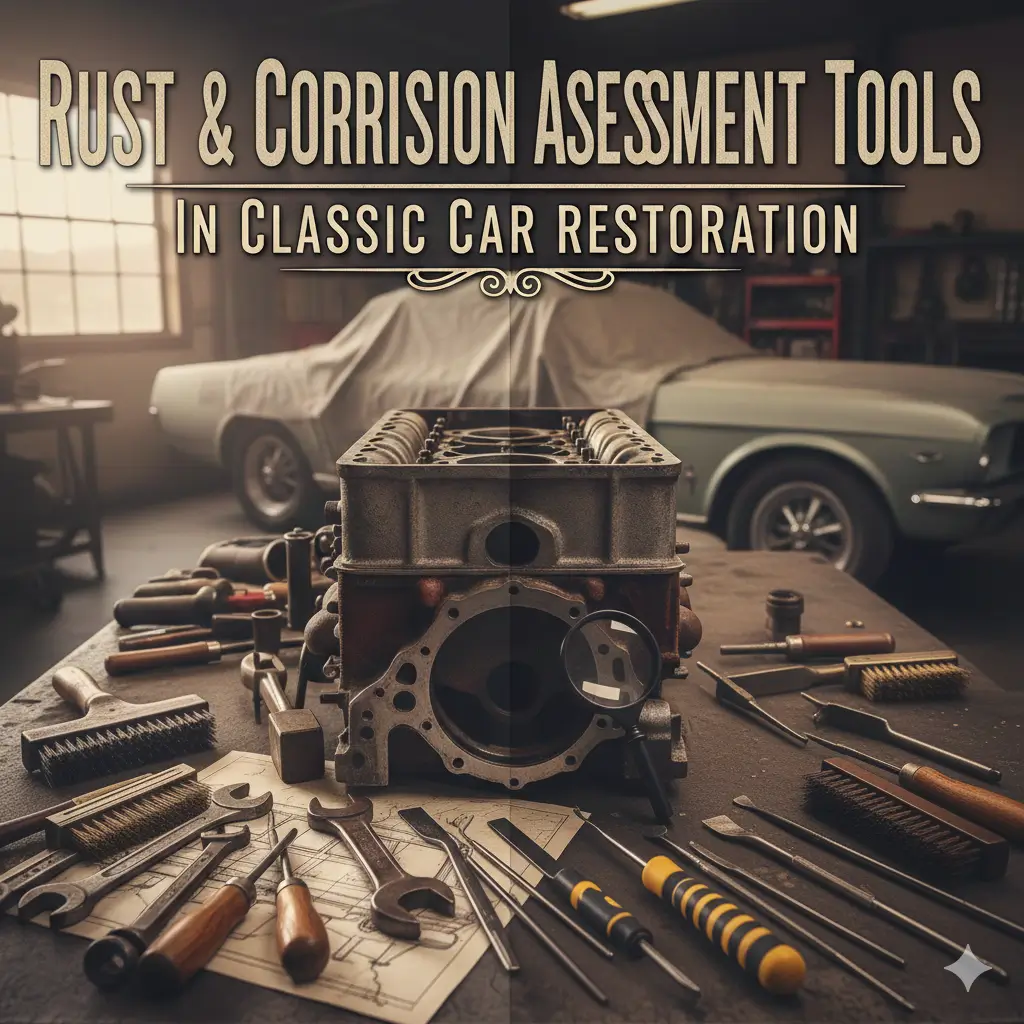
- Wire brushes
- Scrapers
- Small picks for probing rust-prone areas
In coastal areas, early rust detection is especially important.
Safety Equipment (Often Overlooked)
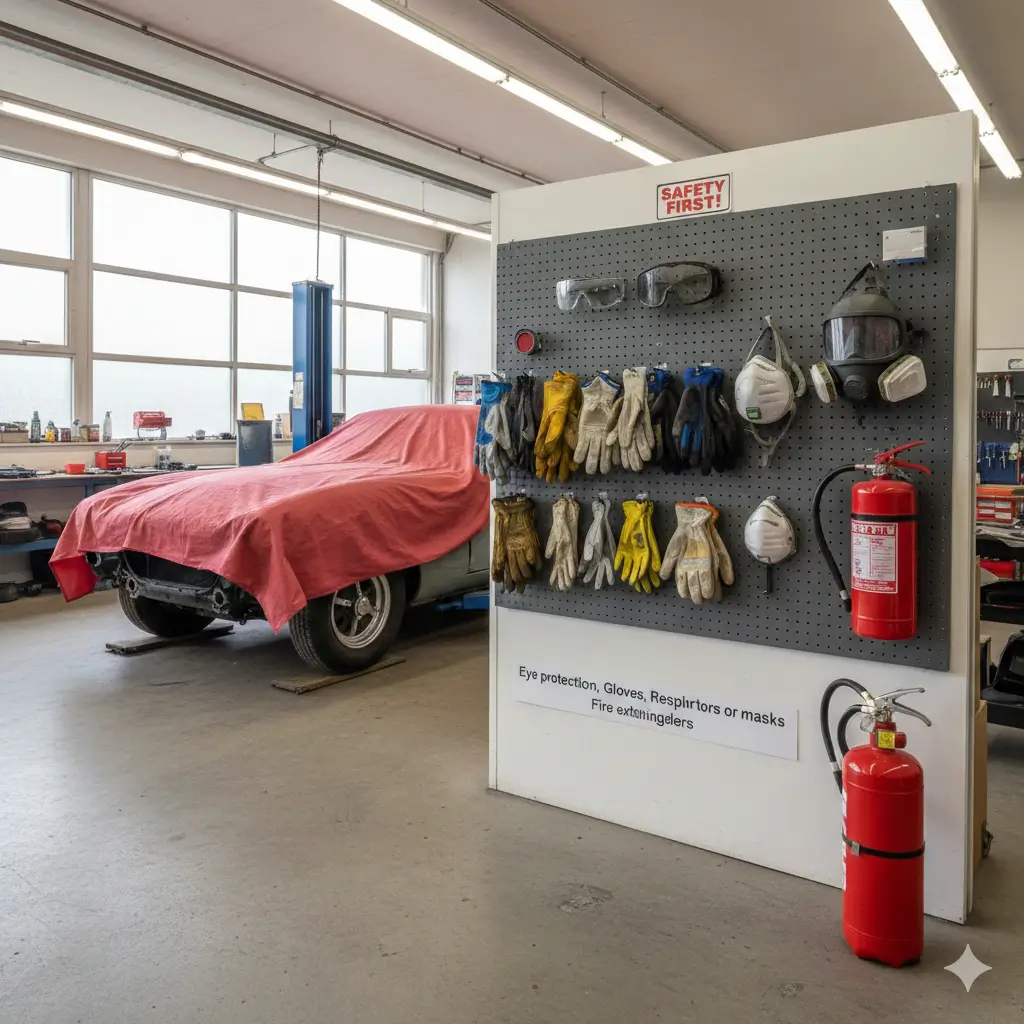
- Eye protection
- Gloves
- Respirators or masks
- Fire extinguishers
Safety tools are essential, not optional.
Tools That Are Useful but Often Overbought
Some tools are valuable—but only in specific situations.
Examples include:
- Specialized pullers
- Body hammers and dollies
- Electrical diagnostic tools
- Sanding and surface prep tools
These are best purchased when the task arises, not upfront.
Tools Many Owners Regret Buying Too Early
These tools are frequently mentioned in owner regrets:
- Heavy fabrication equipment
- Large compressors without clear use
- Specialty tools for one-time tasks
- Cheap tools that break or damage parts
Many of these are better handled by experienced restoration shops.
Poor-quality torque tools & low-grade fabrication equipment are common causes of stripped fasteners & damaged original components.
When It Makes Sense to Let Professionals Handle the Tools
Certain restoration tasks require:
- Experience
- Precision
- Specialized equipment
Examples include:
- Structural rust repair
- Frame work
- Paint application
- Complex mechanical rebuilds
Attempting these without proper tools and experience often costs more in the long run.
Coastal Considerations for Tool Selection (Huntington Beach Insight)
In coastal environments:
- Fasteners are more prone to corrosion
- Moisture affects stored tools
- Rust detection tools are more useful
- Protective equipment matters more
Metal tools stored in garages near the coast can develop surface corrosion quickly if not protected or properly stored.
Tool storage and maintenance are just as important as the tools themselves.
How to Decide What Tools You Actually Need
Before buying tools, ask:
- What tasks will I realistically perform?
- How often will I use this tool?
- Can this damage original parts?
- Would professional work save money?
Tools should support good decisions—not encourage risky ones.
Common Tool-Related Mistakes Owners Make
Some common issues include:
- Buying tools before planning the restoration
- Using force instead of proper technique
- Choosing cheap tools that damage components
- Attempting tasks beyond skill level
Smart tool choices reduce frustration and mistakes.
Frequently Asked Questions
Do I need professional tools to restore a classic car?
Not always. Basic tools cover many tasks, but specialized work often requires professional equipment.
Are cheap tools okay for restoration work?
Poor-quality tools can damage original parts and create safety risks.
What tools are essential for rust inspection?
Lighting, scrapers, and simple probing tools are often more useful than expensive equipment.
Should I buy tools before buying a project car?
It’s better to evaluate the vehicle first, then buy tools based on actual needs.
Can owning more tools speed up a restoration?
Not necessarily. Planning and experience matter more than tool quantity.
Buying Tools With Confidence
Classic car restoration doesn’t require a massive tool collection—it requires smart decisions.
Understanding what tools you need, what you don’t, and when to rely on professional expertise helps:
- Control costs
- Protect original components
- Improve results
- Reduce frustration
Smart planning and realistic expectations often matter more than the size of your tool collection.
At Coastline Classic Car Restorations, based in Huntington Beach, we work with classic car owners throughout Costa Mesa, Newport Beach, Fountain Valley, Irvine & surrounding Orange County areas—helping them plan restorations realistically & avoid unnecessary expenses.