

Many customers ask:
What Happens If We Don’t Rebuild a Classic Car Engine?
If you don’t rebuild a worn classic car engine, performance will steadily decline, internal components will degrade, and the engine can ultimately fail completely—often leading to significantly higher repair or replacement costs.
- Performance continues to decline
- Internal damage accelerates over time
- Repair costs increase dramatically
In many cases, delaying a rebuild turns a manageable repair into a catastrophic engine failure.
Why This Question Matters
Many classic car owners delay rebuilding because:
- the engine still runs
- symptoms seem minor
- rebuild costs feel high
- uncertainty about necessity
However, internal engine wear is progressive—not static.
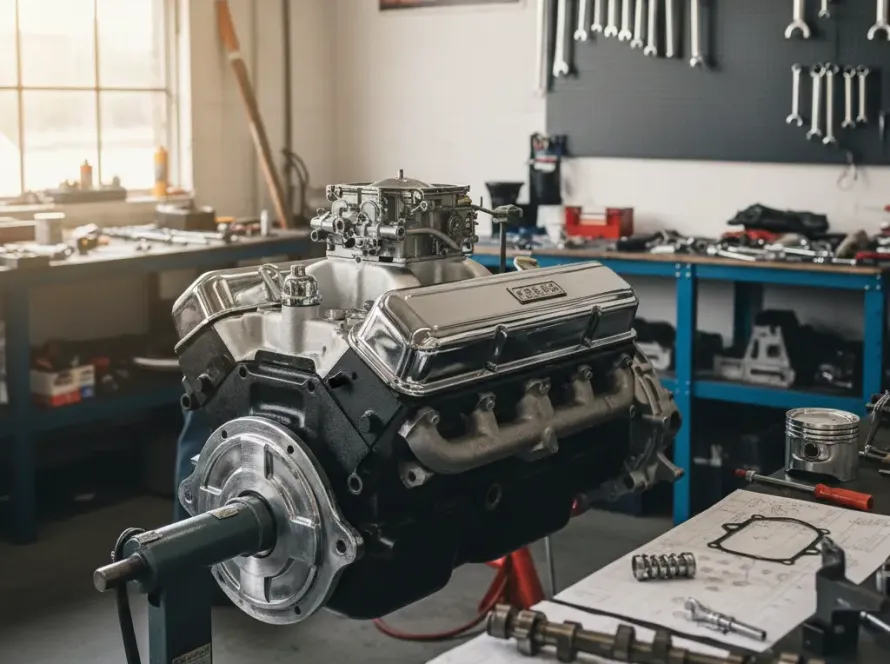
Critical components like piston rings, crankshaft bearings, camshaft lobes, and cylinder walls degrade over time. What starts as minor wear can quickly evolve into serious mechanical failure if left unaddressed.
If you’re unsure whether your engine is approaching this stage, reviewing the signs your classic car engine needs rebuilding can help you identify early warning indicators.
Short-Term Effects of Not Rebuilding
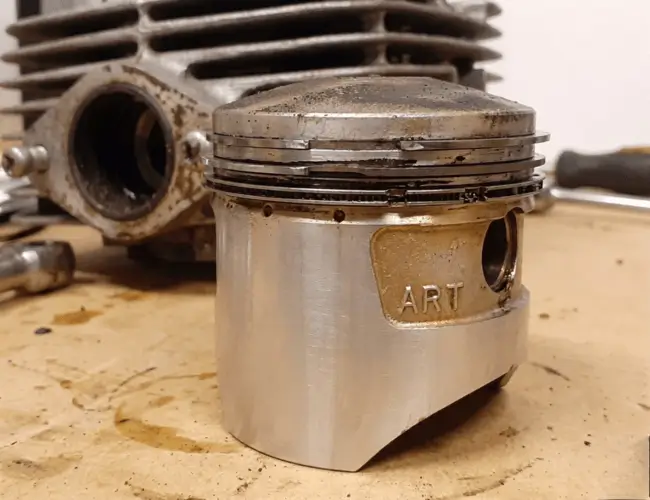
In early stages, the engine may still function, but subtle performance issues begin to appear:
- rough idle or inconsistent combustion
- reduced throttle response and horsepower
- increased oil consumption due to worn piston rings
- light knocking or ticking sounds from valve train wear
These symptoms are often ignored because the vehicle remains drivable.
However, they typically indicate early-stage mechanical wear in key systems such as the valvetrain, oil pump, and combustion chamber sealing surfaces.
For a deeper breakdown, explore common classic car engine problems and how they develop.
Long-Term Internal Damage (What Happens Inside the Engine)
As wear progresses, damage compounds across multiple engine systems:
Piston Ring & Cylinder Wear
- loss of compression (often below 120 PSI in severe cases)
- oil entering combustion chamber → blue smoke
- reduced combustion efficiency
Crankshaft & Bearing Wear
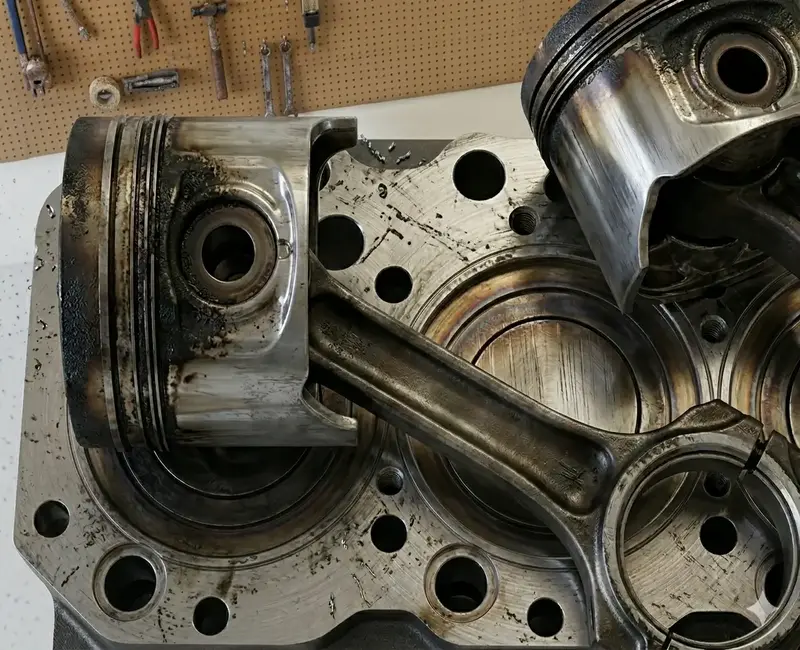
- increased clearance → reduced oil pressure
- metal-on-metal contact → friction and heat
- risk of rod knock or bearing failure
Cylinder Wall Damage
- scoring and uneven surfaces
- improper sealing → power loss
- accelerated wear of piston assemblies
Valve Train Degradation
- improper valve timing and sealing
- camshaft lobe wear
- increased noise and misfires
These failures are interconnected. Once one component begins to fail, it accelerates stress across the entire engine system.
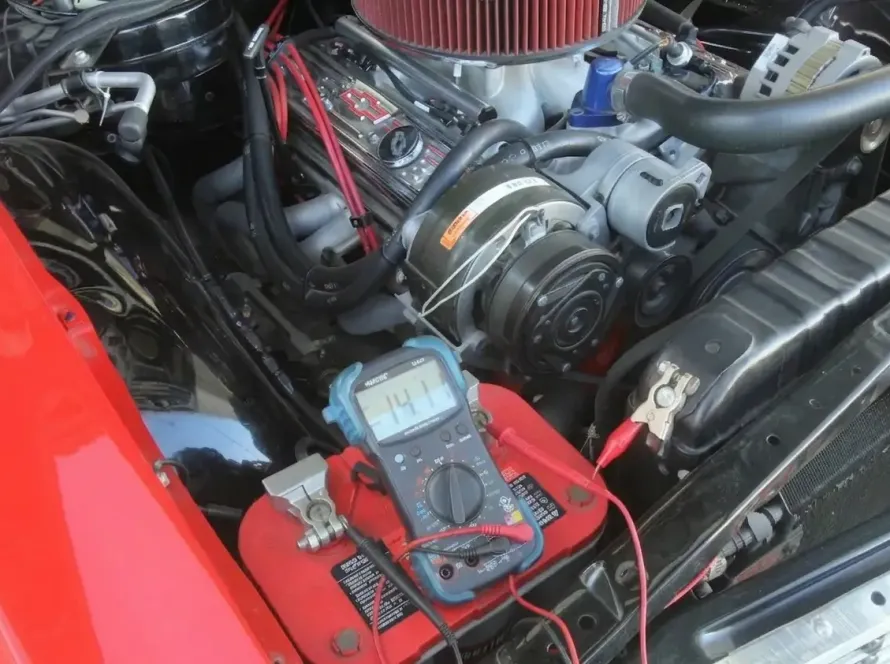
Proper diagnostics such as compression and leak-down testing are critical—learn more about how engine compression testing works before deciding on a rebuild.
Worst-Case Scenario: Complete Engine Failure
If wear is ignored, the engine can reach total failure.
This may include:
- rod bearing failure (knocking)
- overheating causing warped heads or cracked blocks
- piston seizure or cylinder scoring
- complete engine lock-up
At this stage, rebuilding may no longer be viable—full replacement is often required.
Understanding the difference between options is critical: engine rebuild vs replacement
Cost Impact of Delaying a Rebuild
Delaying a rebuild is where most owners lose money.
| Stage | Outcome |
|---|---|
| Early | Lower rebuild cost, reusable components |
| Mid-stage | Increased machining, partial replacements |
| Late-stage | Severe damage, full rebuild or replacement |
A typical rebuild may cost $5,000–$8,000, but delaying can push total costs beyond $10,000+.
For a full breakdown, see our guide on: classic car engine rebuild cost
According to industry research, delaying car repairs can turn a minor $100 fix into a $4,000 engine replacement, with one study showing that nearly one-third of drivers ignore warning signs for three months or longer — significantly increasing the risk of catastrophic failure and emergency repair costs.
Can You Keep Driving Without a Rebuild?
This is one of the most common questions.
Yes—but only under specific conditions:
- compression remains consistent across cylinders
- oil pressure stays within safe range
- no knocking or metallic sounds
- minimal oil consumption
However, continued driving accelerates wear. Even short-term use can increase internal damage if lubrication or compression is compromised.
When It’s Sometimes OK to Delay
You may safely delay if:
- compression variance is within 10–15% across cylinders
- oil pressure is stable (typically 20–60 PSI depending on engine)
- no abnormal engine noise
- performance loss is minimal
In these cases, monitoring and scheduled maintenance can extend engine life temporarily.
When You Should NOT Delay
Immediate action is required if you notice:
- knocking or rod noise
- low or fluctuating oil pressure
- heavy blue or white exhaust smoke
- overheating issues
- rapid oil loss
These indicate active internal damage and high risk of failure.
Real-World Scenarios
Classic Car with Minor Wear
Monitor condition — rebuild can be planned.
Frequently Driven Classic
Rebuild recommended — prevents escalating damage.
Severely Worn Engine
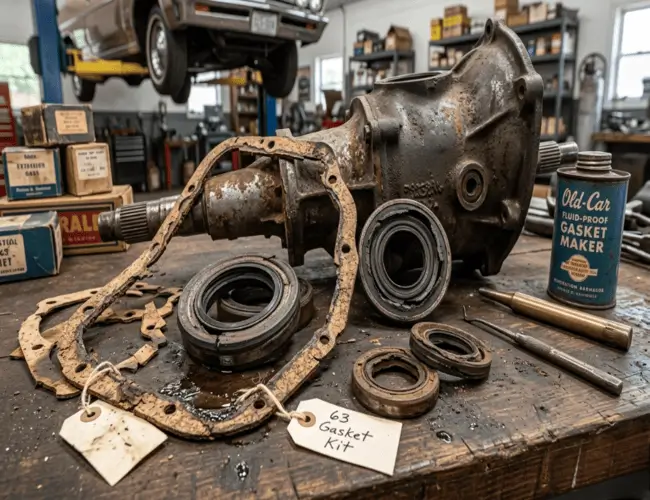
Immediate rebuild or replacement required.
Rebuild vs Waiting: The Real Decision
| Decision | Result |
|---|---|
| Rebuild early | Controlled cost, preserved engine |
| Delay rebuild | Increased wear, higher cost |
| Ignore completely | High risk of total failure |
FAQs
1. Can you drive a car with a worn engine?
Yes, but continued driving accelerates internal damage and can lead to complete engine failure.
2. How long can you drive with a worn engine?
It depends on severity, but once symptoms appear, damage can worsen quickly with continued use.
3. What are the first signs an engine needs rebuilding?
Common signs include low compression, excessive oil consumption, knocking sounds, and loss of power.
4. What happens if you ignore engine knocking?
Engine knocking often indicates bearing failure and can lead to catastrophic engine damage if not addressed.
5. Can delaying an engine rebuild cause permanent damage?
Yes. Delaying repairs can worsen internal wear and may make rebuilding impossible, requiring full replacement.
6. Is it cheaper to rebuild an engine early or wait?
Rebuilding early is usually more cost-effective, as delays can increase damage and repair costs.
7. Is it worth rebuilding a classic or original engine?
In most cases, yes. Rebuilding preserves value, improves reliability, and maintains originality—especially for classic or numbers-matching vehicles.
8. Can a rebuilt engine last a long time?
With proper maintenance, rebuilt engines can last 50,000–100,000+ miles or more, depending on build quality.
Bottom Line
If you don’t rebuild a worn classic engine:
- Performance declines
- Internal damage increases
- Repair costs rise
- Failure becomes likely
The key is timing—making the decision based on accurate diagnostics, not guesswork.
Engine Rebuild Services in Huntington Beach
If your engine is showing signs of wear, proper evaluation is critical.
At Coastline Classic Car Restorations in Huntington Beach, inspections focus on:
- identifying early vs advanced wear
- measuring compression and oil pressure
- evaluating internal component condition
- determining rebuild vs replacement viability
If you’re experiencing issues, explore our engine rebuilding services page.
Related Engine Rebuild Guides
- Signs Your Classic Car Engine Needs Rebuilding – Identify early warning signs before major damage
- Engine Rebuild vs Replacement – Understand which option is best long-term
- Classic Car Engine Rebuild Cost – Learn what impacts rebuild pricing
- Common Classic Car Engine Problems – Explore the root causes of engine wear
- How Engine Compression Testing Works – Understand how engine condition is diagnosed