

Classic cars are known for their mechanical simplicity and driving character. However, the transmission system in older vehicles can develop problems over time.
Many classic car owners eventually ask questions such as:
-
Why is my classic car transmission slipping?
-
What are common transmission problems in vintage cars?
-
When does a transmission need rebuilding?
-
Can transmission issues be repaired without a rebuild?
Understanding early signs of transmission trouble helps prevent serious drivetrain damage and expensive repairs.
This 2026 guide explains common transmission problems in classic cars, how they are diagnosed, and when a rebuild may be necessary.
Why Transmission Problems Are Common in Classic Cars
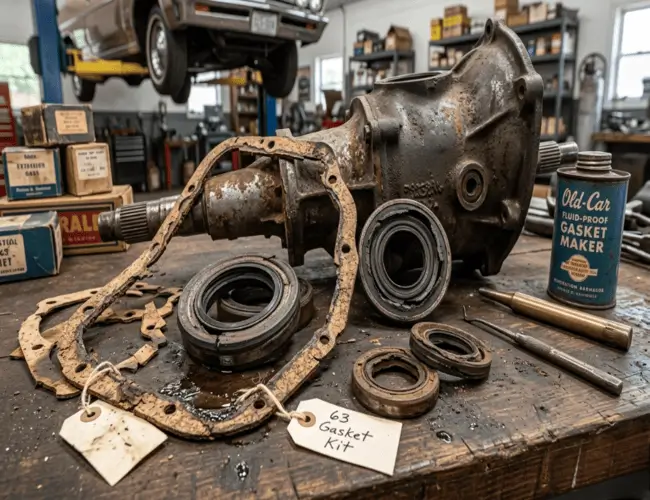
Transmission systems experience constant mechanical stress. Over time, internal components wear down due to friction, heat, and age.
Classic vehicles may also face additional challenges such as:
-
worn seals and gaskets
-
deteriorated clutch components
-
aging transmission fluid
-
corrosion caused by moisture exposure
Because many classic cars are decades old, drivetrain components often require inspection or restoration.
In some cases, professional transmission & driveline restoration may be required to restore proper shifting performance and drivetrain reliability.
Transmission repairs are also often part of broader Mechanical Restoration, which addresses engines, drivetrains, cooling systems, suspension, and other critical components.
Common Transmission Problems in Classic Cars
Transmission issues usually begin with subtle changes in how the vehicle shifts or accelerates.
Recognizing these symptoms early can prevent severe drivetrain damage.
If your vehicle is experiencing shaking, shuddering, or vibration while accelerating, it may be related to deeper driveline issues such as a bad transmission slip yoke or failed U-joints.
Learn more about the root causes and solutions in our guide on driveline vibration in classic cars.
Transmission Slipping
Transmission slipping occurs when engine RPM rises without proportional vehicle acceleration, often indicating internal clutch, hydraulic pressure, or gear wear issues.
This may be caused by:
-
worn clutch plates
-
low or degraded transmission fluid
-
internal gear wear
-
torque converter issues (automatic transmissions)
If slipping continues, internal transmission components may suffer severe wear that eventually requires rebuilding.
In many classic vehicles, prolonged slipping can overheat friction materials and accelerate internal clutch pack deterioration.
Hard or Delayed Shifting
Aging synchronizers, linkage components, and hydraulic systems commonly cause delayed or rough shifting in classic transmissions.
Drivers may notice:
-
rough gear engagement
-
delayed gear shifts
-
difficulty shifting between gears
Manual transmissions may experience worn synchronizers or clutch wear. Automatic transmissions may develop hydraulic pressure issues or internal valve body problems.
Grinding Noises During Gear Changes

Grinding during gear changes commonly points to worn synchronizers that can no longer match gear speeds correctly during engagement.
Synchronizers match gear speeds during shifting. When they wear out, gears may clash during engagement.
Ignoring grinding noises can lead to serious internal gear damage.
Continued grinding may damage gear teeth and increase the likelihood of complete transmission failure.
Transmission Fluid Leaks
Transmission fluid leaks in vintage vehicles are frequently caused by deteriorated seals, hardened gaskets, or corroded transmission lines.
Leaks may occur from:
-
worn seals
-
deteriorated gaskets
-
cracked transmission lines
-
loose fittings
Insufficient transmission fluid reduces lubrication and hydraulic pressure, increasing the risk of slipping, overheating, and accelerated drivetrain wear.
Routine inspections are essential for detecting leaks early.
As highlighted by the lubrication experts at AMSOIL, consistent fluid monitoring is vital because fluid that smells burnt or appears dark is often a sign of excessive heat that can lead to catastrophic damage in vintage gear sets.
Transmission Overheating
Automatic and manual transmissions generate significant heat through friction, hydraulic pressure, and gear movement during operation.
If heat is not properly managed, internal components may degrade faster.
Overheating may occur when:
-
fluid levels are low
-
internal friction increases
-
cooling systems are inefficient
Cooling issues can also contribute to drivetrain problems. This is why many classic car owners research solutions like radiator upgrades or cooling system improvements when restoring older vehicles.
How Transmission Problems Are Diagnosed
Accurate transmission diagnosis requires evaluating fluid condition, shifting behavior, drivetrain vibration, clutch performance, and internal wear symptoms.
Technicians typically evaluate:
-
transmission fluid condition
-
shifting behavior
-
drivetrain noises
-
clutch operation
-
hydraulic pressure levels
Some problems can be repaired without a full rebuild.
However, severe internal wear may require transmission rebuilding.
Technicians may also inspect for metal contamination, abnormal drivetrain vibration, and hydraulic pressure irregularities.
When a Classic Car Transmission Needs Rebuilding
Transmission rebuilding becomes necessary when internal components experience significant wear or failure.
Common indicators include:
-
persistent slipping
-
severe grinding noises
-
metal debris in transmission fluid
-
repeated shifting failure
Transmission rebuilding involves replacing worn gears, bearings, seals, synchronizers, and friction components while restoring proper internal tolerances and driveline reliability, which can also positively influence classic car resale value.
Professional Transmission & Driveline Restoration helps ensure gears, bearings, and internal components function correctly.
Preventing Transmission Problems in Classic Cars
Preventive maintenance helps reduce internal wear, maintain hydraulic efficiency, and extend overall transmission lifespan.
Preventive steps include:
-
checking transmission fluid regularly
-
fixing fluid leaks early
-
maintaining proper clutch adjustment
-
avoiding aggressive shifting
-
scheduling periodic drivetrain inspections
Preventative maintenance is often included in broader mechanical restoration services, especially when restoring classic vehicles that have been sitting unused for long periods.
Coastal Driving Considerations (Huntington Beach Insight)
Classic vehicles located near coastal environments face additional mechanical challenges.
Coastal humidity and salt exposure can accelerate corrosion in transmission housings, driveline hardware, seals, and metal fittings.
Owners in Huntington Beach and Orange County should perform more frequent inspections, particularly if the vehicle is stored near the coast.
Regular inspections help prevent corrosion-related drivetrain damage and preserve long-term reliability.
During classic car restoration inspections, worn synchronizers and fluid contamination are among the most common transmission issues found in long-stored vehicles.
Frequently Asked Questions
What are the most common transmission problems in classic cars?
Common issues include slipping gears, grinding during shifts, transmission fluid leaks, and worn clutch or synchronizer components.
How do I know if my transmission needs rebuilding?
A classic car transmission may require rebuilding if it experiences repeated slipping, grinding during shifts, delayed engagement, or visible metal debris in the transmission fluid.
Can transmission problems be repaired without rebuilding?
Yes. Some problems such as fluid leaks, clutch adjustments, or minor component replacements may be repaired without a full rebuild.
Do manual transmissions last longer than automatic transmissions?
Manual transmissions are generally simpler and may last longer when properly maintained, though both types require regular inspection and service.
How often should transmission fluid be checked in classic cars?
Fluid levels should be checked regularly, particularly in older vehicles where seals and gaskets may deteriorate over time.
Protecting the Drivetrain in Classic Cars
The transmission plays a critical role in how a classic car performs and drives.
Understanding early transmission warning signs helps prevent severe drivetrain damage and expensive repairs.
Routine inspections and professional evaluations help preserve shifting performance and long-term vehicle reliability.
For classic car owners in Huntington Beach and throughout Orange County, professional inspections can identify drivetrain problems before they become serious.
At Coastline Classic Car Restorations in Huntington Beach, transmission diagnostics and restoration work help ensure classic vehicles remain dependable and enjoyable to drive for years to come.