

Restoring a classic car is a major investment of time, money & craftsmanship. But once the restoration is complete, many owners ask the next important question:
“How do I keep it in good condition long-term?”
Proper maintenance after restoration protects your investment and preserves drivability.
It also prevents costly problems from returning—especially in coastal areas like Huntington Beach, where environmental conditions add extra challenges.
This 2026 guide explains how to maintain a restored classic car and what to watch for. It also outlines how to adapt care routines for long-term reliability.
Why Maintenance Matters After Restoration
A restored classic car is not “maintenance-free.”
Even after professional restoration:
- Metal remains vulnerable to moisture
- Mechanical systems require regular use & inspection
- Paint & finishes need protection
- Rubber components can dry out
- Corrosion can return if prevention lapses
Maintenance is about preserving the restoration, not just keeping the car clean.
For detailed mechanical restoration services, you can learn more about our classic car mechanical restoration.
Driving Frequency and Long-Term Maintenance
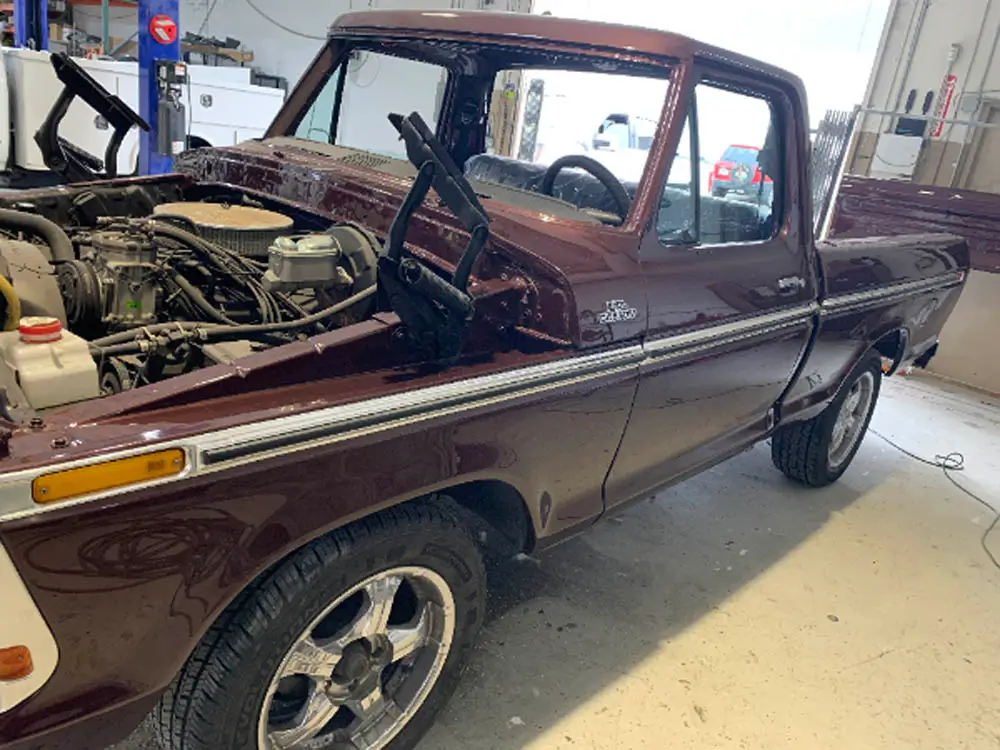
One of the most common questions owners ask is whether driving helps or hurts a restored vehicle.
In most cases:
- Periodic driving is beneficial
- It keeps seals lubricated
- Prevents fluid stagnation
- Reduces electrical issues
However, excessive exposure to moisture, salt air, or poor road conditions can accelerate wear.
Balanced use is key—enough driving to keep systems active, but not so much that environmental damage accumulates.
For a deeper breakdown of ideal driving intervals and storage balance, see our guide on how often to drive a classic car.
Routine Mechanical Checks You Should Never Skip
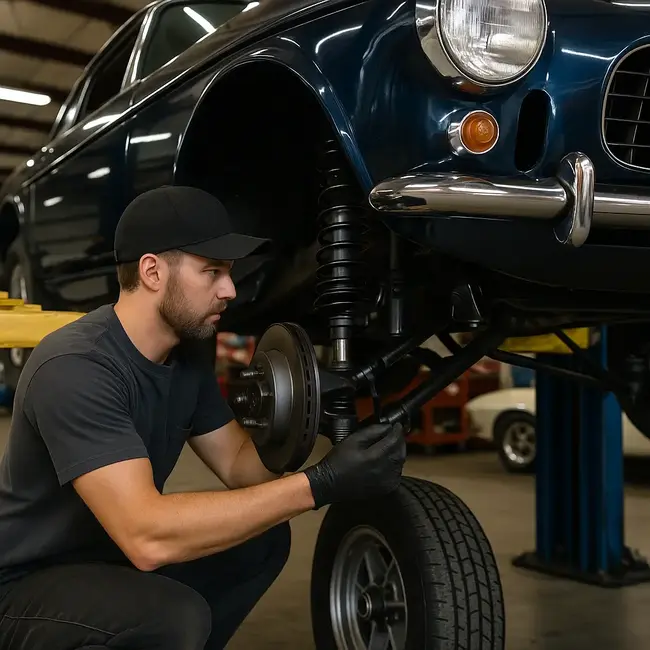
Even restored vehicles require ongoing mechanical attention.
Important areas to monitor include:
- Engine fluids & seals
- Brake system performance
- Suspension components
- Steering responsiveness
- Cooling system integrity
Small issues discovered early are far easier—and less expensive—to address.
Protecting Paint and Exterior Surfaces
Paint protection is one of the most important aspects of post-restoration care.
Best practices include:
- Regular gentle washing
- Avoiding prolonged sun exposure
- Using quality protective coatings
- Promptly addressing chips or scratches
In coastal regions, salt particles can settle on paint & accelerate surface breakdown if left untreated.
Preventing Rust From Returning
Rust prevention doesn’t end when restoration does.
Effective long-term protection includes:
- Proper underbody sealing
- Ensuring drainage points remain clear
- Monitoring high-risk areas like seams & joints
- Keeping moisture out of enclosed spaces
Humidity control is especially important near the ocean.
Interior Care for Restored Classics

Interior materials require just as much attention as exterior components.
Owners should:
- Keep interiors dry & ventilated
- Avoid prolonged sun exposure
- Condition leather & vinyl appropriately
- Inspect carpets and floor areas for moisture buildup
Hidden moisture beneath carpets is a common source of returning corrosion.
Storage Best Practices for Coastal Areas
Indoor storage is helpful—but not enough on its own.
Effective storage includes:
- Climate-controlled environments when possible
- Adequate ventilation
- Moisture management
- Regular inspections during storage periods
Poor storage conditions can undo years of restoration work.
Seasonal Maintenance Considerations
Maintenance routines should adapt to seasonal changes.
For example:
- Increased humidity may require more frequent inspections
- Temperature swings can affect seals & fluids
- Long storage periods require periodic system checks
A seasonal maintenance mindset helps prevent surprises.
Common Maintenance Mistakes to Avoid
Some issues arise not from neglect, but from misunderstanding.
Common mistakes include:
- Letting the car sit unused for long periods
- Assuming restoration eliminates future maintenance
- Ignoring early warning signs
- Skipping inspections after environmental exposure
Restored cars still need attention.
Frequently Asked Questions
How often should a restored classic car be inspected?
At least seasonally, or more often if driven regularly or stored near the coast.
Does washing a classic car too often cause damage?
Improper washing techniques can, but regular gentle cleaning helps prevent corrosion buildup.
Is indoor storage enough to prevent rust?
Indoor storage helps, but humidity control & ventilation are equally important.
Should I use modern fluids in a restored classic car?
That depends on the vehicle & restoration approach; professional guidance is recommended.
Can poor maintenance shorten the life of a restoration?
Yes. Maintenance plays a major role in how long restoration work lasts.
Protecting Your Restoration Long-Term
Restoration is only part of the journey. Long-term care is what keeps a classic car reliable, safe & enjoyable for years to come.
At Coastline Classic Car Restorations in Huntington Beach, we help classic car owners throughout Costa Mesa, Newport Beach, Fountain Valley, Irvine, and surrounding Orange County understand how to care for restored vehicles in coastal conditions.
Our goal is to ensure that restoration work lasts.