

Classic cars are admired for their design, character, and driving experience. However, older vehicles also face mechanical challenges that modern cars rarely encounter.
Many classic car owners ask questions such as:
- What mechanical problems do classic cars usually have?
- What parts fail most often in older vehicles?
- Are classic cars unreliable compared to modern cars?
- What mechanical issues should I expect with a vintage vehicle?
Understanding common mechanical failures helps owners prevent costly damage and maintain reliability.
This 2026 guide explains the most frequent mechanical problems found in classic cars and how they can be diagnosed early.
Why Mechanical Problems Are Common in Classic Cars
Classic vehicles were built decades ago using materials and technology very different from modern automotive engineering.
Over time, several factors contribute to mechanical deterioration:
- normal wear of internal components
- aging rubber seals and gaskets
- corrosion caused by moisture or salt exposure
- outdated electrical systems
- long periods of vehicle storage
Even well-restored vehicles require ongoing maintenance to keep mechanical systems functioning properly.
A strong classic car maintenance checklist helps owners detect early warning signs before problems develop into serious mechanical failures.
The Most Common Mechanical Failures in Classic Cars

While every vehicle is different, certain mechanical issues appear more frequently in older cars.
Engine Wear and Internal Component Failure
Engine wear is one of the most common mechanical problems in classic vehicles.
Internal components gradually deteriorate after decades of operation. Worn piston rings, valve components, and bearings can reduce engine performance and reliability.
Typical symptoms include:
- excessive exhaust smoke
- knocking or ticking sounds
- loss of engine power
- heavy oil consumption
When several internal components show wear, mechanics may recommend classic car engine rebuilding to restore performance and reliability.
Recognizing signs your classic car engine needs rebuilding early can help prevent catastrophic engine failure.
Cooling System Problems and Engine Overheating
Cooling systems are critical for protecting engine components from excessive heat.
Older cooling systems may struggle with modern driving conditions. Radiators, water pumps, and hoses often deteriorate with age.
Common cooling system problems include:
- radiator corrosion
- coolant leaks
- restricted coolant flow
- inefficient airflow through the radiator
Overheating frequently occurs during slow driving or idle conditions. This is one reason many owners notice classic cars overheating in traffic.
Improving cooling efficiency through radiator upgrades for classic cars can help stabilize engine temperatures.
Electrical System Failures
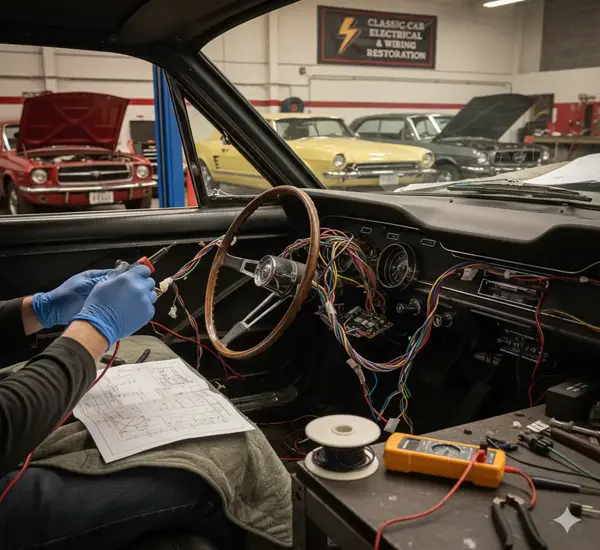
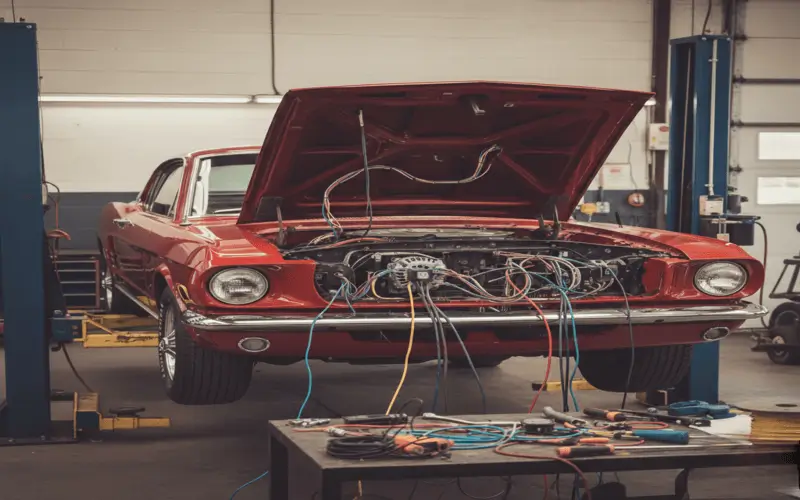
Electrical systems in classic vehicles are often far less durable than modern systems.
Wiring insulation can become brittle after decades of heat exposure. Electrical connections may corrode or loosen over time.
Common electrical problems include:
- failing ignition systems
- unreliable starter motors
- charging system issues
- malfunctioning gauges or lighting
Because classic electrical systems lack modern diagnostics, troubleshooting often requires careful inspection.
In many cases, owners may need professional classic car electrical wiring repair to restore reliability and prevent recurring electrical failures.
Fuel System Issues
Fuel systems in classic cars rely heavily on carburetors and mechanical fuel pumps.
Over time, these components may develop problems caused by debris, corrosion, or aging seals.
Typical fuel system issues include:
- clogged carburetors
- deteriorated fuel lines
- weak fuel pumps
- inconsistent fuel delivery
Fuel problems often cause rough idle, hesitation, or poor engine performance.
Brake System Deterioration
Brake systems in older vehicles require regular inspection.
Many classic cars use drum brakes or early disc brake designs that can deteriorate over time.
Common brake system issues include:
- worn master cylinders
- leaking brake lines
- deteriorated brake hoses
- worn brake shoes or pads
Brake components are critical safety systems and should always be inspected carefully.
When braking performance becomes inconsistent or unsafe, professional classic car brake restoration and conversion may be required to restore proper stopping power and reliability.
Suspension and Steering Wear
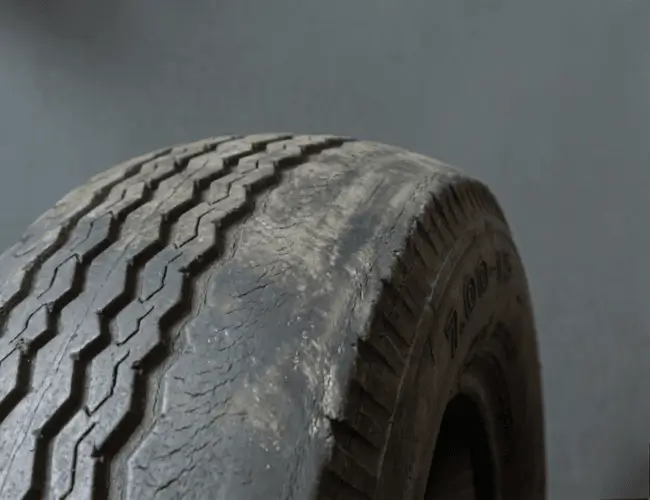
Suspension and steering components experience constant stress during driving.
Over time, parts such as bushings, shocks, and steering linkages gradually wear out.
Common symptoms include:
- loose or wandering steering
- uneven tire wear
- excessive vibration while driving
- reduced ride stability
Worn suspension components can affect both safety and drivability.
In many cases, professional classic car suspension repair is required to restore proper handling, alignment, and ride quality.
Corrosion and Rust-Related Mechanical Damage
Rust affects more than just a vehicle’s appearance.
Structural corrosion can weaken mechanical mounting points and damage important components.
Rust commonly develops in areas such as:
- frame rails
- suspension mounting points
- brake line areas
- floor panels and structural seams
Understanding rust and corrosion in classic cars is essential for protecting both structural integrity and mechanical systems.
How Regular Inspections Prevent Major Failures
Routine inspections help identify mechanical problems before they become severe.
Regular maintenance should include:
- cooling system checks
- engine oil inspection
- brake system evaluation
- electrical system testing
- suspension inspection
A structured maintenance routine helps prevent small issues from developing into major repairs.
Coastal Driving Considerations (Huntington Beach Insight)
Classic cars located near coastal environments face additional mechanical stress.
Salt air and humidity accelerate corrosion in cooling systems, electrical connections, and metal components.
Regular inspections are particularly important for classic vehicles located near Huntington Beach and throughout Orange County.
Maintaining cooling efficiency and corrosion protection helps extend the life of mechanical systems.
Frequently Asked Questions
What mechanical problems do classic cars have most often?
Common issues include engine wear, cooling system failures, electrical problems, fuel system issues, and suspension deterioration.
Are classic cars less reliable than modern vehicles?
Classic cars can be reliable when properly maintained. However, aging components often require more frequent inspection and maintenance.
What mechanical system fails first in older vehicles?
Cooling systems, electrical wiring, and fuel systems commonly develop problems as vehicles age.
How can I prevent mechanical failures in a classic car?
Routine maintenance, proper storage, and regular inspections help detect early signs of wear.
Do restored classic cars still develop mechanical problems?
Yes. Even restored vehicles require ongoing maintenance because components continue to age over time.
Maintaining Mechanical Reliability in Classic Cars
Classic cars require attention and care to remain reliable over time.
Understanding common mechanical failures helps owners identify problems early and protect their vehicles from costly damage.
Routine inspections, proper maintenance, and addressing small issues quickly help preserve both performance and long-term value.
For classic car owners in Huntington Beach and throughout Orange County, regular mechanical inspections are an important part of responsible vehicle ownership.
At Coastline Classic Car Restorations, mechanical evaluations and restoration services help ensure classic vehicles remain dependable and enjoyable to drive for years to come.