

Quick Answer
Voltage drop in a classic car is the loss of electrical power caused by resistance in wiring, connections, or grounding.
Voltage drop is the reduction in electrical pressure (voltage) as current travels from the battery to a component due to resistance in the circuit.
Example:
- Battery = 12.6V
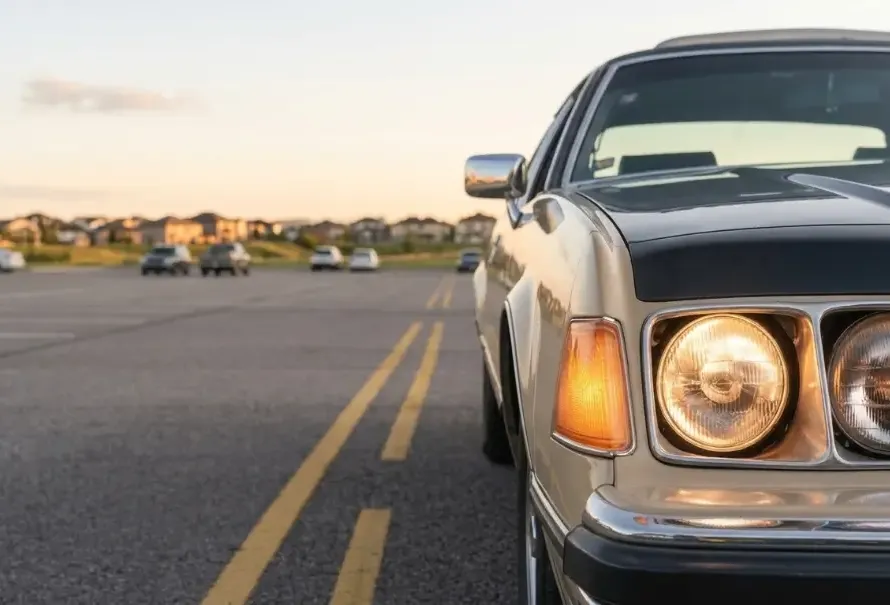
- Headlight = 11.8V
0.8V lost = energy converted into heat instead of useful power
How Voltage Drop Causes Electrical Problems (Core System Logic)
This chain explains most “electrical gremlins” in classic cars.
Why Does My Classic Car Have “Electrical Gremlins”?
Most “random” electrical issues are caused by hidden resistance in wiring or grounds—not failed parts.
Common scenario:
- You replace the battery
- You replace the alternator
- The problem still exists
Because the issue is power delivery, not power supply.
Why You Keep Replacing Parts (And Nothing Works)
Electrical systems fail when power cannot reach components efficiently due to resistance.
Even with good parts:
- Starter still drags
- Lights remain dim
- Electrical issues return
The system cannot move power efficiently.
The “Leaky Hose” Analogy (Simple Explanation)
Voltage drop is like losing water pressure in a hose due to a restriction.
Think of it this way:
- Voltage = water pressure
- Wiring = hose
- Resistance = kink
You may have full pressure at the source…
…but weak output at the end.
The “Traffic Jam” Explanation
Resistance slows electrical flow just like traffic congestion slows cars.
- Current = cars
- Wiring = highway
- Resistance = lane closure
Fewer “cars” reach the destination → weaker performance
Can a Bad Ground Cause a No-Start Even With a Good Battery?
Yes — a bad ground can prevent the engine from starting even if the battery is fully charged.
Why:
- The electrical circuit must complete a loop
- Ground is half the circuit
Poor ground = incomplete circuit → weak starter voltage
Why Do My Lights Get Brighter When I Rev the Engine?
Higher RPM increases alternator output, temporarily overcoming resistance.
- At idle → weak voltage
- At higher RPM → increased output compensates
This is a classic symptom of voltage drop.
Is 0.5V Voltage Drop Really That Bad?
Yes — even small voltage losses significantly affect performance.
- 12V system → ~4% loss
- 6V system → ~8% loss
Small voltage loss = major performance impact
What Causes Voltage Drop in Classic Cars?
1. Corrosion (“Green Death”)
Corrosion increases resistance and blocks current flow.
- Oxidized copper reduces conductivity
- Salt air accelerates damage
- Hidden inside connections
Especially common in coastal areas like Huntington Beach
2. Aging Wiring (40–70+ Years Old)
Old wiring develops internal resistance and loses efficiency.
- Conductivity decreases
- Current flow weakens
Old wiring often cannot support modern electrical demand
3. Poor Ground Connections
Weak grounding disrupts the return path of current.
Caused by:
- Rust
- Loose bolts
- Dirty surfaces
4. Loose or Weak Connections
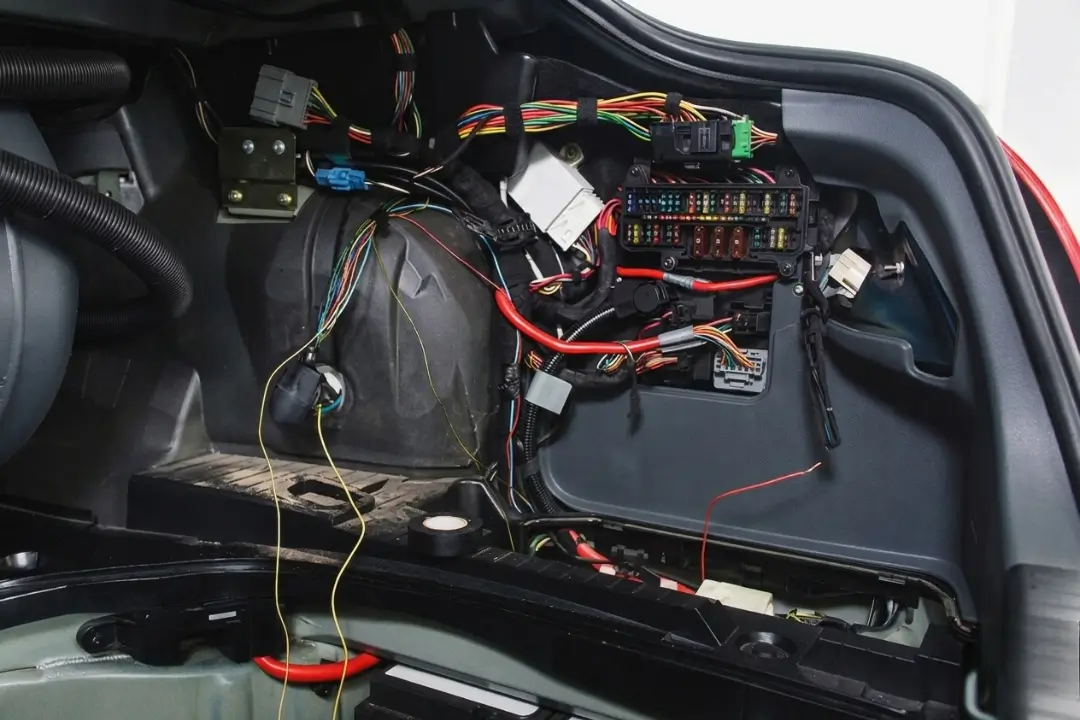
Poor contact increases resistance and causes intermittent electrical flow.
5. Undersized or Overloaded Wiring
Modern upgrades increase electrical demand beyond original system capacity.
Examples:
- LS swaps
- EFI conversions
- Audio systems
Symptoms of Voltage Drop
Voltage drop causes system-wide electrical weakness.
Common Signs:
- Dim or flickering lights
- Slow cranking
- Weak electrical systems
- Battery draining quickly
These are system-wide issues—not isolated failures
The “Headlight Stress Test” (Quick Check)
A simple test to identify voltage drop.
- Lights dim heavily → battery or main connection issue
- Lights stay bright but starter is slow → starter circuit voltage drop
Saves hours of guesswork
How to Test Voltage Drop (Proper Method)
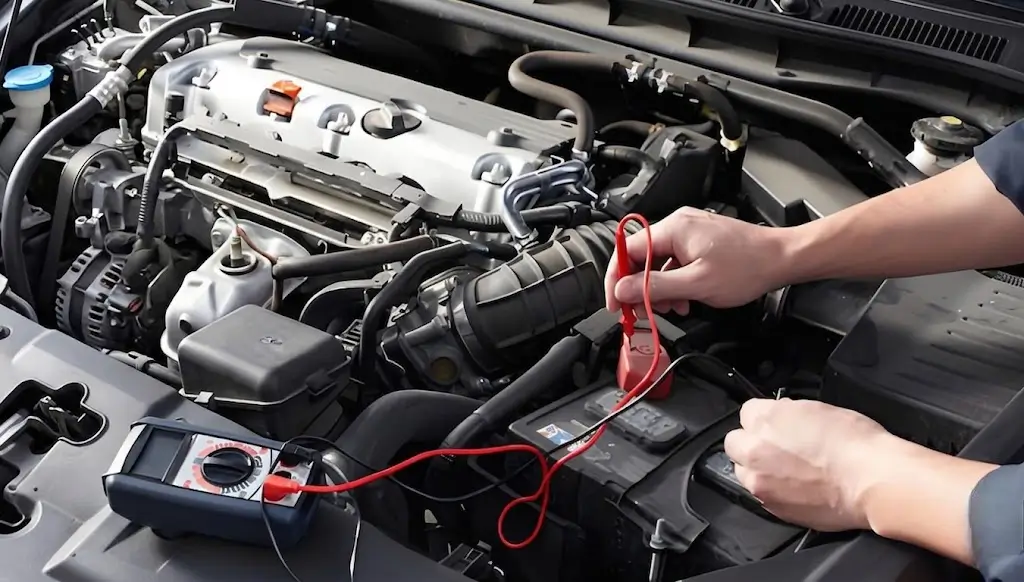
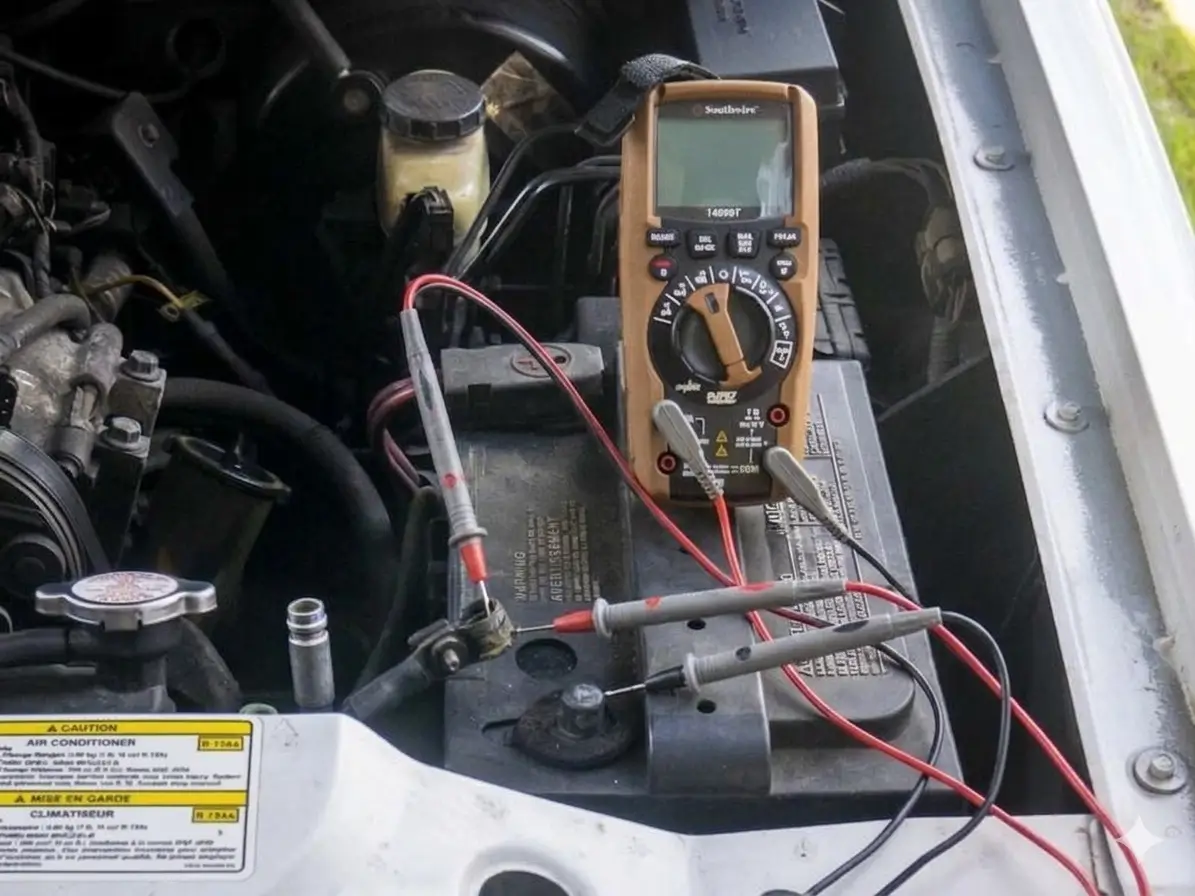
Always test voltage drop under load using a multimeter.
A wire can show 12V with no load even if it’s nearly broken; performing a proper voltage drop test under load is the only way to reveal the hidden resistance that strangles your electrical components.
For a deeper look at the physics of why this happens, check out Hagerty’s guide to measuring voltage drop.
Step 1: Power Side Test
- Red → battery positive
- Black → component positive
Step 2: Ground Side Test
- Red → component ground
- Black → battery negative
Step 3: Read Results (Critical Values)
- 0.0–0.2V → Good
- 0.3–0.5V → Weak
- 0.5V+ → Problem
1.0V+ = serious issue
2.0V+ = major failure
You can refer to this professional voltage drop limit chart to see the exact maximum allowable loss for every part of your circuit.
Pro Tip
A circuit may show 12V with no load…
But fail under load due to resistance
Troubleshooting Table
| Symptom | Likely Cause | Pro Tip |
|---|---|---|
| Flickering lights | Bad ground | Clean contact |
| Battery dies fast | Parasitic drain | Check circuits |
| Slow cranking | Corroded cables | Feel for heat |
| Burning smell | Melting insulation | Disconnect battery |
The “Big 3 Upgrade” (Best System Fix)
Upgrading key electrical paths improves system stability.
Upgrade:
- Battery negative → chassis
- Engine block → chassis
- Alternator positive → battery
Improves:
- Voltage stability
- Current flow
- Reliability
Why Coastal Cars (Orange County) Have Worse Voltage Drop
Salt air accelerates corrosion and increases resistance.
Effects:
- Hidden electrical damage
- Faster degradation
Why Voltage Drop Becomes Dangerous
Voltage drop can cause heat buildup and electrical failure.
Risks:
- Insulation breakdown
- Electrical arcing
- Fire risk
Temporary Fix vs Real Solution
| Fix | Result | Outcome |
|---|---|---|
| Clean terminals | Temporary | May return |
| Replace connectors | Partial | Improved |
| Repair sections | Moderate | Depends |
| Full restoration | Best | Permanent |
Common Questions
Can voltage drop cause starting problems?
Yes, it reduces voltage to the starter, which can prevent proper cranking.
How do I test voltage drop?
Measure voltage difference under load using a multimeter while cranking.
Why does voltage drop increase under load?
Higher current increases the effect of resistance in the circuit.
Final Summary
Voltage drop in classic cars is caused by:
- Resistance in wiring
- Corrosion
- Poor grounding
- Aging electrical systems
Fixing resistance restores full electrical performance and reliability
Professional Electrical Diagnosis
If you’re dealing with electrical issues:
Professional diagnosis ensures:
- Accurate identification of voltage loss
- Proper repairs
- Long-term reliability
At Coastline Classic Car Restorations in Huntington Beach, technicians diagnose hidden voltage drop, grounding issues, and wiring problems to fix the root cause—not just symptoms.
Don’t keep guessing—get a professional inspection from experts who specialize in classic car electrical wiring repair.