

Why Does My Classic Car Battery Die Overnight?
If your classic car battery dies overnight, the most likely cause is a parasitic electrical drain—a component or wiring issue that continues to draw power even when the car is off.
In many cases, this issue is tied to broader electrical problems in classic cars that worsen over time if left unresolved.
Common causes include:
- Failing wiring harness
- Short circuits or poor grounds
- Stuck relays or switches
- Aftermarket accessories wired incorrectly
- Faulty alternator diode
If it happens more than once, the issue is almost always in the electrical system—not the battery itself.
Quick Answer
A battery that dies overnight usually means there is an active current draw (parasitic drain) when the car is turned off.
Even a small electrical leak can fully drain a battery within hours.
Symptoms vs Likely Causes (Quick Diagnosis Table)
| Symptom | Likely Cause | Severity |
|---|---|---|
| Dies overnight | Strong parasitic drain | High |
| Dies after 2–3 days | Small electrical leak | Medium |
| Battery dead after driving | Charging system issue | High |
| Battery weak sometimes | Intermittent wiring fault | Medium |
This helps quickly narrow down the issue before testing.
If Your Battery Keeps Dying, What Does It Mean?
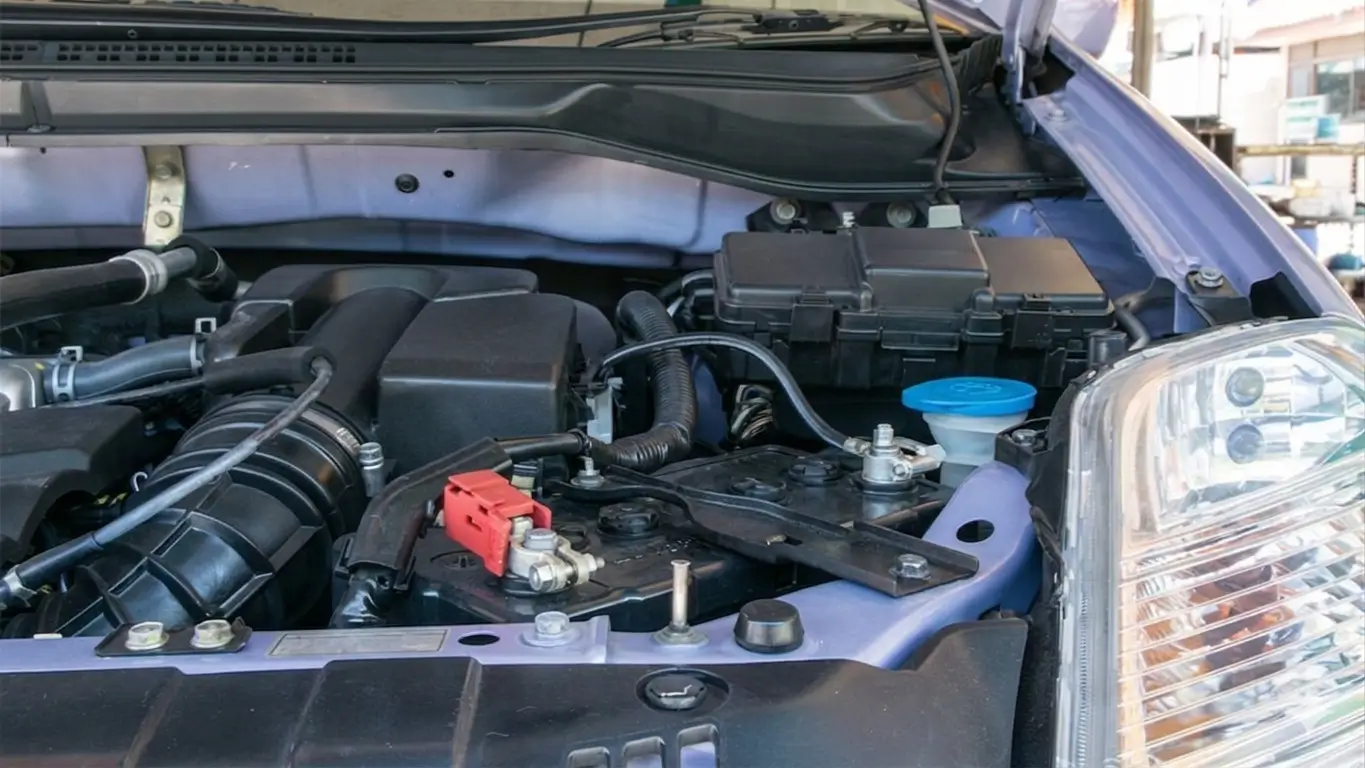
- Overnight drain → Active current draw (parasitic drain)
- Slow drain → Minor leak or aging wiring
- Sudden failure → Alternator or charging issue
These patterns are key to accurate diagnosis.
What is a Parasitic Drain in a Classic Car?
A parasitic drain occurs when electricity continues flowing after the ignition is turned off, slowly draining the battery.
In a true classic car, there should be ZERO draw with the key off.
- Modern vehicles → ~50mA normal
- Classic cars → 0.00mA ideal
Any consistent draw indicates an electrical issue.
Why Does this Problem Feel Random (But Isn’t)?
If you’re constantly jump-starting your car, it may feel unpredictable—but it isn’t.
It’s usually caused by:
- Hidden wiring damage
- Corrosion inside connectors
- Small electrical leaks
Why Does this Happen More in Huntington Beach?
Coastal conditions expose your vehicle to:
- Salt-heavy air
- Moisture
- Temperature swings
This causes:
- Copper corrosion (“green death”)
- Increased electrical resistance
- Micro current leaks
This is one of the most common causes of electrical drain in classic cars near the coast.
What Causes Overnight Battery Drain in Classic Cars?
1. Failing wiring harness
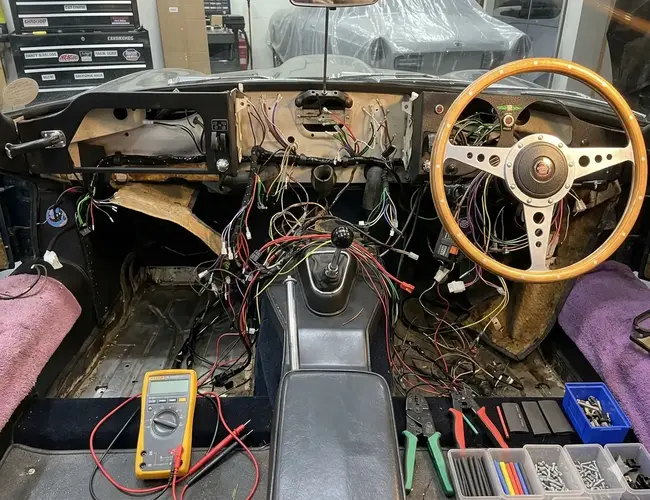
Old wiring can:
- Leak current through damaged insulation
- Create unintended electrical paths
- Cause unstable voltage
In many cases, resolving these issues requires professional classic car electrical wiring repair to fully eliminate hidden drains.
This is the #1 cause of parasitic drain in classic vehicles.
Learn more warning signs your classic car needs wiring harness replacement
2. Short circuits or bad grounds
A short circuit allows electricity to flow incorrectly.
This leads to:
- Continuous battery drain
- Overheating wires
- System instability
3. Stuck relays or hidden power draw
Components may stay active without you realizing:
- Cooling fans
- Interior lights
- Accessories
Even small loads can drain a battery overnight.
Pro Tip: The “Glovebox Trap”
One of the most common hidden drains:
A trunk or glovebox light that never turns off.
Test it:
- Record video on your phone
- Place it inside the compartment
- Close it
If the light stays on—you found the drain.
4. Aftermarket accessories
Common offenders:
- Sound systems
- Alarm systems
- LED upgrades
Poor installation often causes constant power draw.
5. Corroded connections (“green death”)
Corrosion causes:
- Resistance buildup
- Voltage drop
- Current leakage
Extremely common in coastal environments.
6. Faulty alternator diode
A bad diode allows electricity to flow backward—acting like a one-way valve stuck open.
As Hagerty’s technical columnists point out, a failing alternator can often be the hidden culprit behind a massive overnight drain, even when all the fuses appear to be fine.
Like a one-way valve stuck open.
This causes:
- Power leaking into the alternator
- Continuous battery drain
Pro Tip: If your alternator feels warm after sitting, this is a strong sign of failure.
How Do You Find Electrical Drain Issues in a Classic Car?
Step 1: Rule out the battery
- Check condition
- Confirm full charge
- Test voltage
Always eliminate the obvious first.
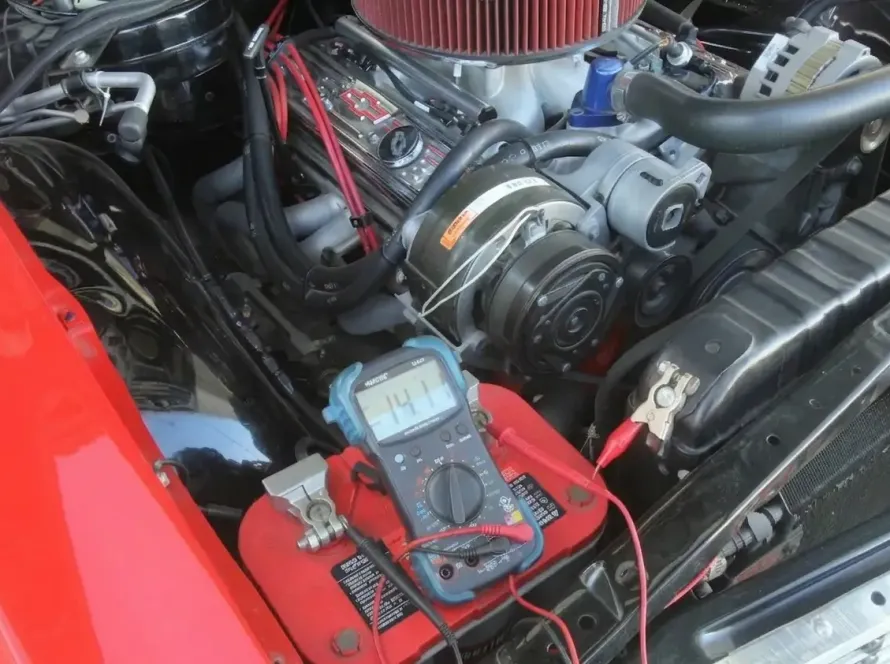
Step 2: Perform a parasitic draw test
- Turn off vehicle
- Disconnect negative terminal
- Connect multimeter in series
- Measure current
As Hagerty’s ‘Hack Mechanic’ demonstrates, this is the only way to accurately quantify the drain. While a modern car might pull 50mA, a true classic should ideally read 0.00mA.
Step 3: Pull fuses one by one
- Remove fuses sequentially
- Watch for current drop
This isolates the faulty circuit.
Step 4: Inspect wiring & grounds
Look for:
- Frayed insulation
- Loose connections
- Corrosion
Step 5: Check aftermarket components
Disconnect:
- Audio systems
- Lighting upgrades
- Accessories
These are often hidden causes.
Quick DIY Tests (No Tools Needed)
Battery isolation test
Disconnect battery overnight
If it holds charge → you have a drain
Spark test
Lightly tap negative cable to terminal
Small spark = normal
Strong spark = active current draw
Common Mistakes When Diagnosing Battery Drain
- Replacing the battery instead of fixing the cause
- Ignoring aftermarket wiring
- Skipping proper testing
- Assuming the issue is random
Most drain problems are misdiagnosed.
Quick Fix vs Real Fix
| Approach | Result | Long-Term Outcome |
|---|---|---|
| Replace battery | Temporary | Problem returns |
| Fix one component | Partial | Inconsistent |
| Full inspection | Accurate | Reliable |
| Wiring replacement | Complete | Permanent |
Fix the cause—not the symptom.
When Battery Drain Means a Bigger Problem
Recurring drain often indicates:
A failing wiring harness
It may also be connected to other underlying issues, including common mechanical failures in classic cars that affect overall reliability.
See full cost guide: Classic Car Wiring Restoration Cost.
What Happens If you Ignore Battery Drain Issues?
- Repeated battery failure
- Electrical damage
- Fire risk
- Higher repair costs
Electrical issues always escalate.
Frequently Asked Questions
Why does my classic car battery die overnight?
A parasitic drain from faulty wiring, accessories, or electrical components is usually the cause—not the battery itself.
How do I know if I have a parasitic drain?
If your battery dies overnight or after sitting, and holds charge when disconnected, you likely have an electrical drain.
What is normal battery draw in a classic car?
A true classic car should have 0.00mA draw with the key off. Any consistent draw indicates a problem.
Can a bad alternator drain my battery overnight?
Yes, a faulty diode can allow power to flow backward, draining the battery even when the car is off.
Will replacing the battery fix the issue?
No, replacing the battery is temporary. The underlying electrical drain must be diagnosed and repaired.
Final Thoughts: the Problem isn’t Random
If your battery dies overnight:
It’s not bad luck—it’s a system issue.
Fixing the root cause:
- Saves money
- Prevents repeat failures
- Protects your vehicle
Get a Professional Electrical Diagnosis
If your classic car keeps dying overnight:
A full electrical inspection can identify the exact source before it leads to bigger failures.
Contact Coastline Classic Car Restorations in Huntington Beach for expert diagnosis and repair.