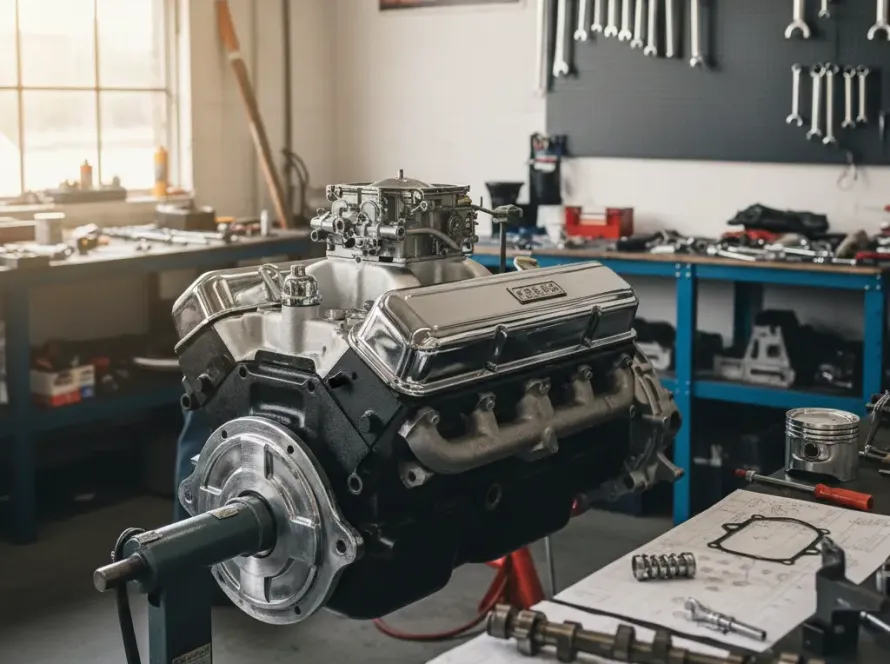
Owning a restored classic car isn’t just about driving it—it’s about maintaining it consistently so small issues don’t turn into expensive problems.
Many owners ask:
- “What should I check on my classic car regularly?”
- “How often should I inspect a restored classic?”
- “Is there a simple maintenance checklist I can follow?”
This practical maintenance checklist breaks down exactly what to inspect and when.
It helps classic car owners stay organized, confident, and proactive—especially in Huntington Beach and coastal Orange County, where humidity and salt air add extra considerations.
Why a Maintenance Checklist Matters for Classic Cars
Even well-restored classic cars require ongoing attention.
Without a clear checklist:
- Small leaks go unnoticed
- Corrosion starts in hidden areas
- Rubber components dry out
- Electrical issues develop slowly
- Problems appear only when the car is driven
A checklist helps owners spot issues early, when they’re easier and less costly to address.
In many coastal restorations, early surface corrosion often begins around seam edges, lower quarter panels, & beneath trim long before visible rust appears.
Routine inspections help catch these subtle changes before structural damage develops
Monthly Classic Car Maintenance Checklist
These quick checks help catch early warning signs & should be done at least once a month—especially if the car is driven occasionally.
Exterior & Visual Checks
- Look for new fluid spots under the car
- Inspect paint for bubbling or discoloration
- Check weatherstripping & seals for dryness or cracks
- Examine chrome & trim for early corrosion
Under the Hood
- Check engine oil level and condition
- Inspect coolant level
- Look for fuel, oil, or coolant leaks
- Check belts and hoses for cracking or softness
We frequently see minor fluid seepage that owners didn’t notice during casual inspections, which later develops into gasket or seal issues if left unchecked.
Interior
- Smell for moisture or mildew
- Check carpets & floor areas for dampness
- Ensure gauges and warning lights function properly
Seasonal Classic Car Maintenance Checklist
Seasonal checks are especially important for classic cars exposed to changing temperatures or coastal conditions.
Breaking inspections into monthly, seasonal, & annual intervals makes maintenance more manageable and reduces the likelihood of overlooking gradual wear.
Mechanical & Driving Systems

- Inspect brakes for responsiveness
- Check tire pressure and tread condition
- Listen for new noises during startup or driving
- Verify steering & suspension feel consistent
Corrosion & Moisture Control
- Inspect underbody areas for surface rust
- Check drainage points and seams
- Ensure ventilation in storage areas
- Clean and dry any areas exposed to moisture
Electrical System
- Test battery condition
- Inspect wiring for brittleness or corrosion
- Ensure lights and signals work properly
Annual Classic Car Maintenance Checklist
Annual inspections help evaluate overall condition and plan ahead.
Engine & Drivetrain
- Change engine oil and filter
- Inspect transmission and differential fluids
- Check fuel system components
- Evaluate engine performance and tuning
Because drivetrain wear often develops gradually, regular inspections can help owners catch early warning signs before they turn into major repairs.
If you notice vibration, fluid leaks, or shifting issues, professional transmission and driveline restoration may be necessary to restore safe, reliable performance.
Chassis & Structural Areas
- Inspect frame and mounting points
- Check suspension bushings
- Look for rust in structural areas
- Examine exhaust system condition
Interior & Trim

- Assess upholstery wear
- Inspect headliner and door panels
- Check seat mounts and hardware
- Clean and protect interior surfaces
Coastal Maintenance Considerations (Huntington Beach Insight)
Classic cars near the coast face additional challenges:
- Salt air accelerates corrosion
- Humidity increases moisture retention
- Temperature fluctuations affect seals & finishes
Salt particles carried in ocean air can settle into panel gaps, undercarriage areas, & trim seams, accelerating oxidation even when the vehicle is stored indoors.
Because of this:
- Corrosion checks should be more frequent
- Storage conditions matter as much as maintenance
- Early rust detection is critical
Regular underbody inspections are particularly important for classic cars stored within a few miles of the coastline
Owners in Huntington Beach & Orange County benefit from shorter inspection intervals, even if the car isn’t driven often.
Common Maintenance Mistakes Owners Make
Even experienced owners sometimes:
- Rely only on driving to “keep things working”
- Skip inspections when the car looks fine
- Ignore small leaks or noises
- Forget to check areas out of sight
Most maintenance problems start small and grow quietly.
How This Checklist Fits With Proper Maintenance
This checklist is meant to support, not replace, broader maintenance knowledge.
Think of it as:
- A practical reminder system
- A way to stay organized
- A tool to spot issues early
- A reference you can revisit regularly
For a broader look at long-term restoration planning & system-level preservation, you can review our complete Classic Car Restoration Guide, which outlines the full restoration process & preservation considerations in detail.
Understanding why maintenance matters and how systems work helps owners use this checklist effectively.
Frequently Asked Questions
How often should a classic car be inspected?
Basic checks should be done monthly, with more detailed inspections seasonally and annually.
Can regular inspections prevent major repairs?
Yes. Early detection of leaks, corrosion, and wear often prevents costly repairs later.
Is maintenance different for restored classic cars?
Restored cars still require regular inspections, especially as components age and settle.
Do classic cars need maintenance even if not driven?
Yes. Sitting unused can cause seals to dry out, fluids to degrade, and moisture to accumulate.
Is maintenance more important in coastal areas?
Yes. Coastal humidity and salt air increase corrosion risk, making regular checks essential.
Staying Ahead With Consistent Maintenance
Classic car ownership is most enjoyable when maintenance feels manageable—not overwhelming.
A simple, repeatable checklist helps:
- Protect restoration work
- Preserve long-term value
- Reduce unexpected issues
- Keep the car ready to enjoy
Preventative maintenance is far less invasive & less costly than corrective restoration work.
Our experience working with restored vehicles in coastal Southern California consistently shows that routine inspections are the most reliable way to preserve structural integrity & finish quality.
Based in Huntington Beach, Coastline Classic Car Restorations serves owners throughout Costa Mesa, Newport Beach, Fountain Valley, Irvine, and the surrounding Orange County areas.
We help our clients understand maintenance priorities and long-term care considerations for their restored vehicles.