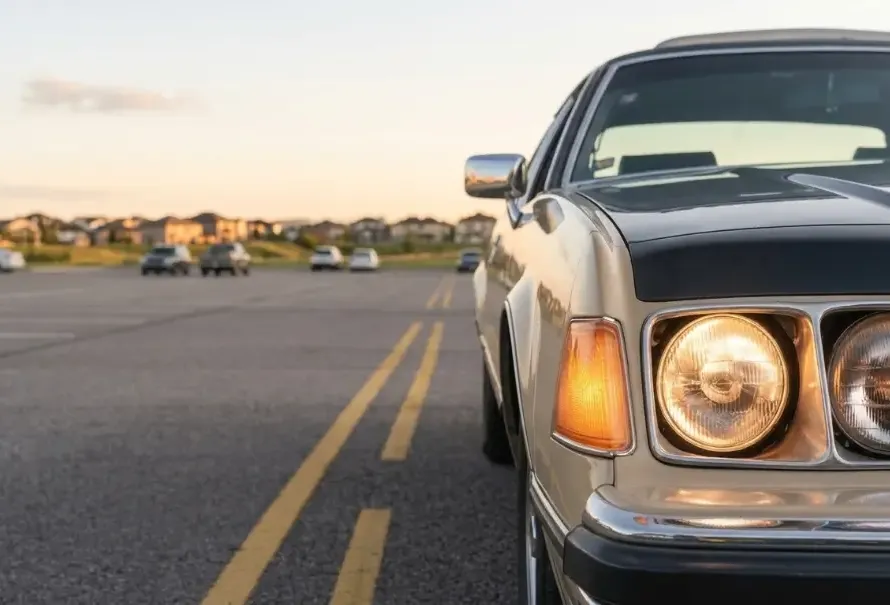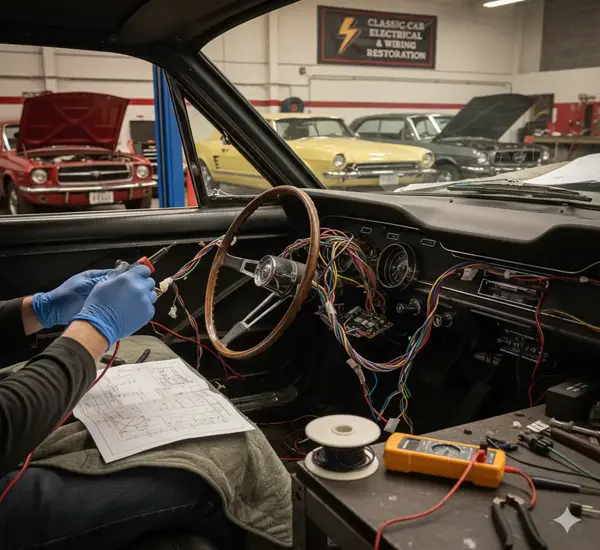


Many classic car owners research costs, timelines, & restoration options—but eventually they want to see what a real restoration actually looks like.
This case study walks through a realistic classic car restoration journey. It follows the process from initial inspection to a finished, drivable vehicle.
Along the way, it highlights key decisions, challenges, and results. It reflects the type of restoration projects commonly handled in Huntington Beach and coastal Orange County.
The Starting Point: Evaluating the Project Car
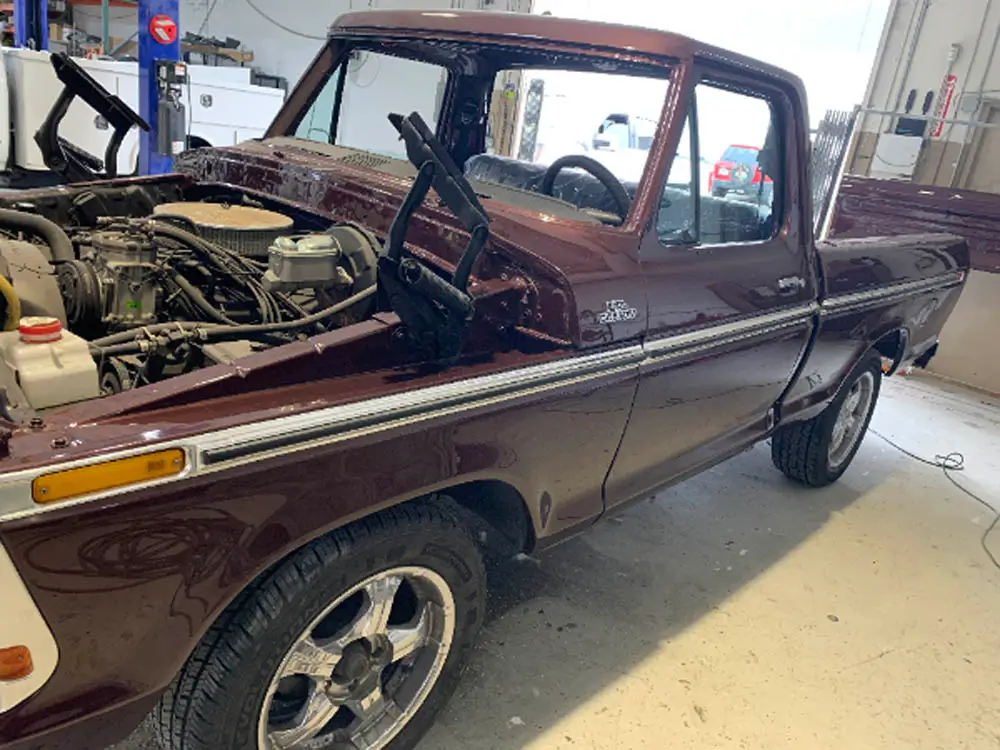
Like many classic cars, this vehicle arrived as a project car, not a blank slate.
Initial inspection revealed:
- Surface corrosion in multiple areas
- Worn mechanical components
- Aging suspension and braking systems
- Interior wear from moisture exposure
- Cosmetic issues caused by previous repairs
At this stage, the goal wasn’t perfection—it was understanding what the car actually needed and what could be realistically restored.
In many cases, project cars appear cosmetically solid but reveal deeper structural concerns once disassembly begins
Inspection & Planning: Setting Realistic Expectations
A thorough inspection is one of the most important steps in any restoration.
During planning, the focus was on:
- Structural integrity
- Mechanical reliability
- Safety systems
- Restoration scope and priorities
- Long-term usability
Clear planning helps avoid surprises later and ensures restoration work aligns with the owner’s goals.
Addressing Rust & Structural Concerns
As with many coastal vehicles, corrosion was a major consideration.
The restoration process included:
- Identifying hidden rust areas
- Addressing affected metal sections
- Reinforcing structural components
- Applying corrosion-prevention measures
Rust repair isn’t just cosmetic—it directly affects safety and longevity, especially near the coast.
Mechanical Restoration & Reliability Upgrades
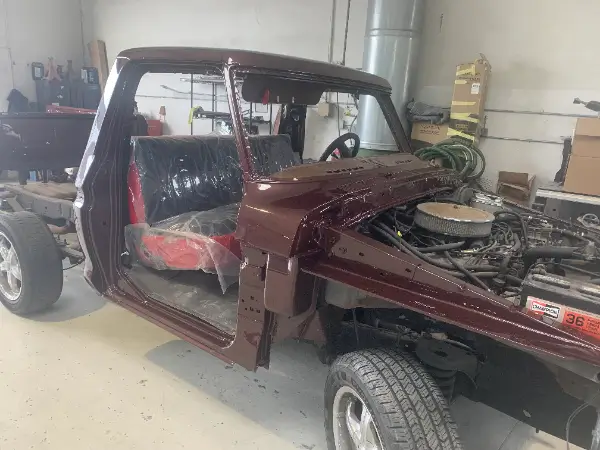
Mechanical systems determine whether a classic car is truly road-ready.
Work focused on:
- Engine inspection and servicing
- Brake system refurbishment
- Suspension and steering components
- Fuel and cooling systems
- Electrical reliability
The goal was consistent, dependable operation—not just visual appeal.
Exterior Restoration & Paint Preparation
Exterior work involved careful preparation before refinishing.
Key steps included:
- Panel alignment and surface correction
- Addressing previous repair inconsistencies
- Proper surface preparation
- Quality refinishing for durability
Paint quality depends heavily on what happens before paint is applied.
Interior Restoration & Comfort Considerations
The interior showed signs of age and moisture exposure.
Restoration included:
- Cleaning and treating original materials where possible
- Replacing worn or damaged components
- Improving interior comfort while preserving character
- Ensuring moisture resistance for long-term use
Interior condition plays a major role in overall driving enjoyment.
Parts Sourcing & Fabrication Challenges
Like many classic restorations, parts availability was a factor.
Solutions included:
- Reusing restorable original components
- Sourcing reproduction parts where appropriate
- Fabricating components when parts were no longer available
Each choice balanced authenticity, reliability, and practicality.
Timeline & Milestones
This restoration progressed through multiple phases rather than a single continuous process.
Milestones included:
- Inspection and teardown
- Structural and rust repair
- Mechanical restoration
- Bodywork and paint
- Interior work
- Final testing and adjustments
Breaking the project into phases helped maintain clarity and progress.
Unexpected discoveries during teardown are one of the most common reasons timelines evolve.
Final Outcome: A Road-Ready Classic
At completion, the vehicle was:
- Structurally sound
- Mechanically reliable
- Comfortable to drive
- Visually restored
- Prepared for real-world use
“Road-ready” doesn’t mean flawless—it means safe, dependable, and enjoyable.
Lessons Learned From This Restoration
Every project reinforces key lessons:
- Hidden issues are common
- Planning saves time and money
- Quality work takes time
- Coastal environments require extra protection
- Clear goals lead to better results
These lessons apply to nearly every classic car restoration.
Frequently Asked Questions
How long does a full classic car restoration usually take?
Timelines vary based on condition, scope, and parts availability. Most restorations progress in phases.
Do all project cars need full restoration?
Not always. Some vehicles require targeted repairs rather than full restoration.
Is rust always worse than it looks?
Often, yes—especially in coastal environments where corrosion can spread beneath surfaces.
What makes a classic car “road-ready”?
Reliable mechanical systems, safety components, and consistent operation—not just appearance.
Are surprises common during restoration?
Yes. Hidden damage and parts availability are common variables.
Why Real Case Studies Matter
Case studies provide clarity that guides alone can’t. They show how planning, craftsmanship & realistic expectations come together in a real-world restoration.
At Coastline Classic Car Restorations, based in Huntington Beach, we work with classic car owners throughout Costa Mesa, Newport Beach, Fountain Valley, Irvine & surrounding Orange County areas on restoration projects at various stages—helping turn project cars into dependable classics.
Understanding what a real restoration looks like helps owners plan with confidence.
After months of phased progress and careful testing, the vehicle reached its final evaluation stage.