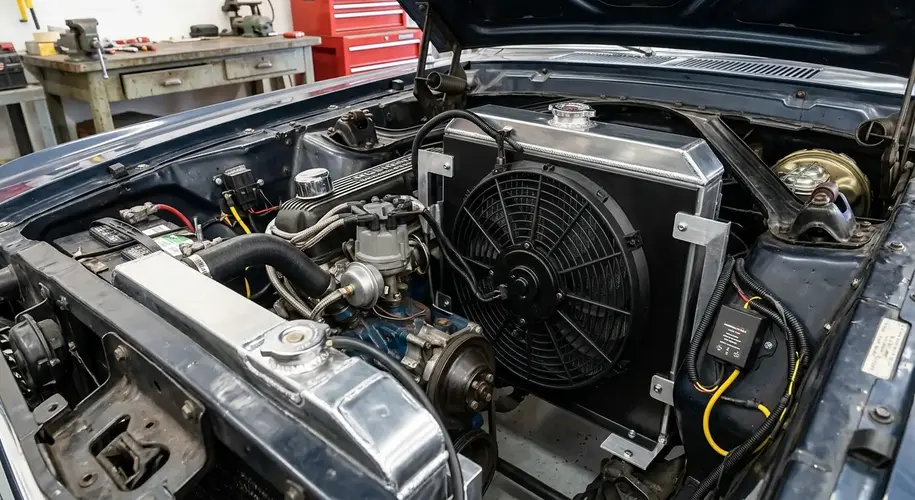
Electric fan conversions can improve a classic car’s cooling at idle and in traffic because they provide airflow independently of engine RPM.
However, a conversion will help only when insufficient low-speed airflow is the actual limitation.
An electric fan cannot correct a restricted radiator, inadequate coolant circulation, cooling-system pressure loss, improper engine tuning, or internal engine damage.
A…
Classic cars are admired for their design, character, and driving experience. However, older vehicles also face mechanical challenges that modern cars rarely encounter.
Many classic car owners ask questions such as:
What mechanical problems do classic cars usually have?
What parts fail most often in older vehicles?
Are classic cars unreliable compared…
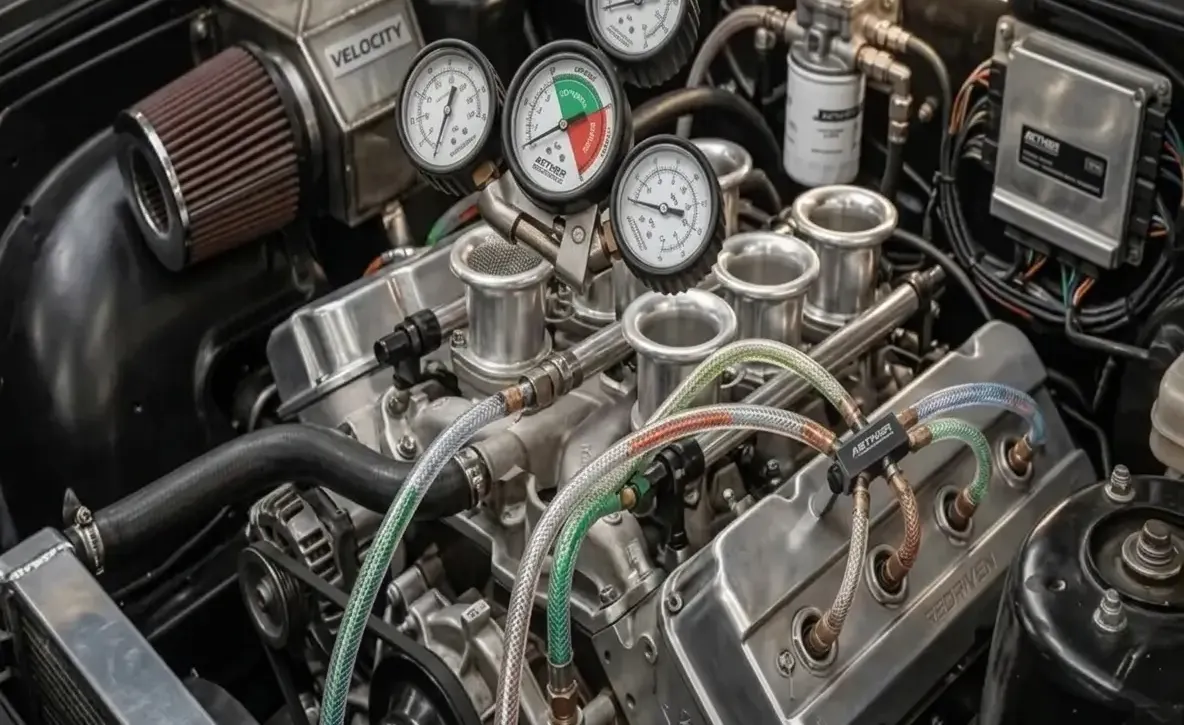
To perform a compression test on a classic-car engine, warm the engine when it is safe to run, disable the ignition and fuel systems, remove all spark plugs, hold the throttle fully open, and install a compression gauge in one cylinder at a time.
Crank the engine consistently until the gauge stops rising, record the reading,…
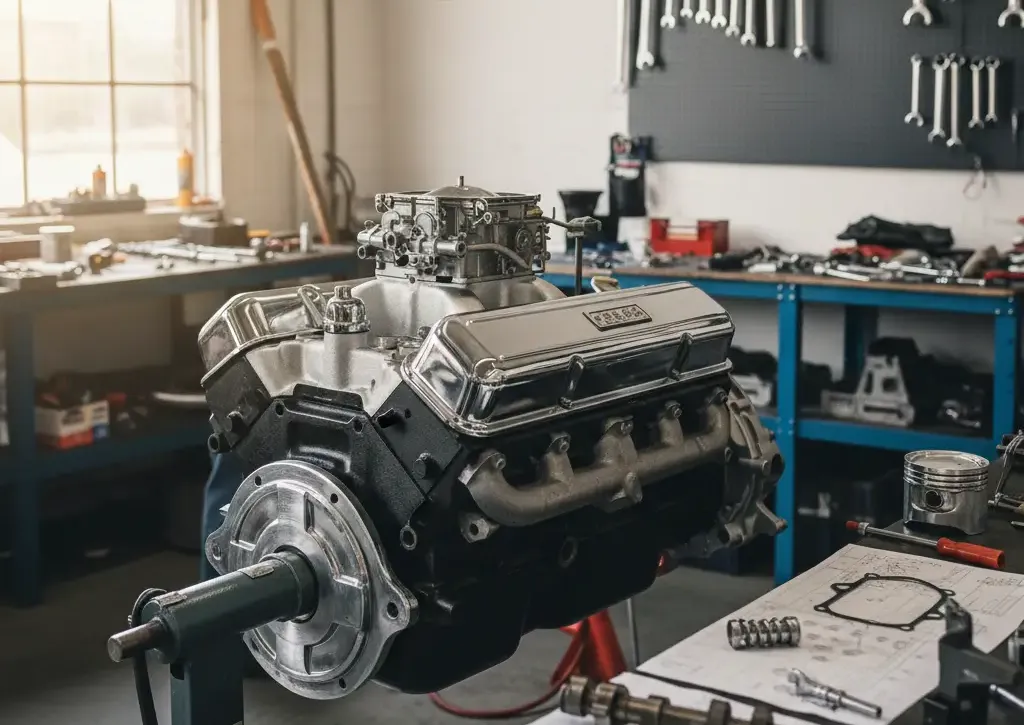
A classic-car engine may need rebuilding when multiple findings indicate widespread internal wear that cannot be corrected reliably with a limited repair.
The strongest indicators include low compression across several cylinders, excessive blow-by, persistent oil consumption, verified low hot oil pressure, metal in the oil filter, and deep internal knocking.
These findings are different from general drivability…
A classic car needs a radiator upgrade when the existing radiator is the confirmed cooling limitation or cannot manage the engine’s current heat output.
If overheating is caused by insufficient fan airflow, restricted coolant circulation, pressure loss, incorrect engine tuning, or an inaccurate temperature reading, installing a larger radiator may not solve the problem.
The correct decision…
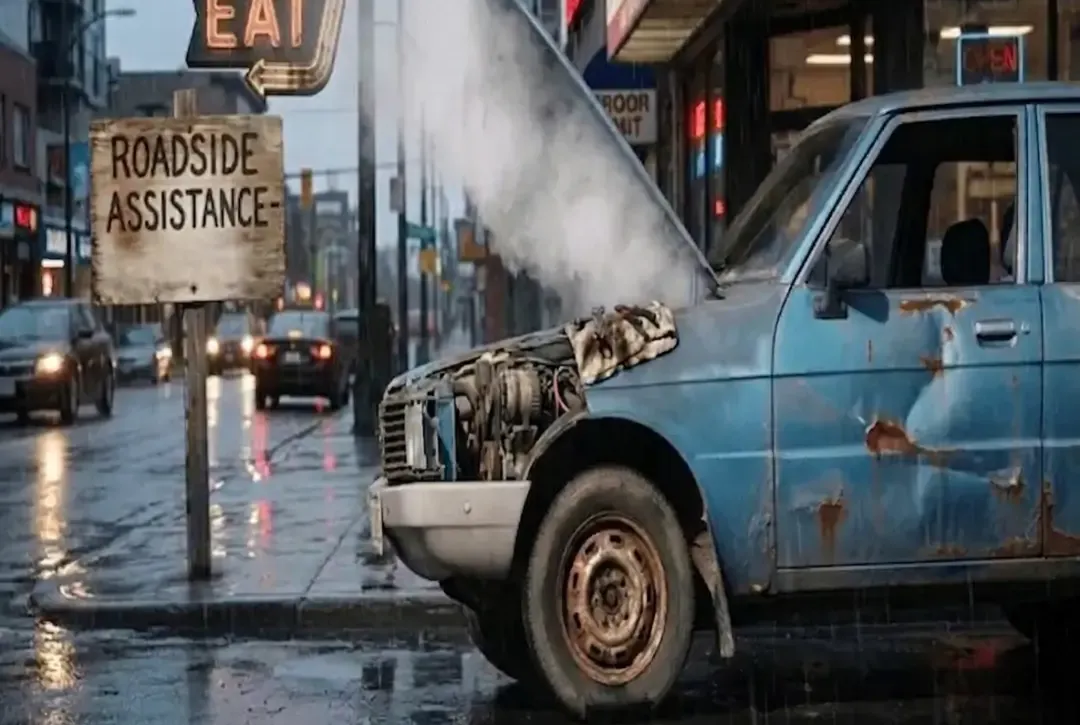
Classic cars commonly overheat in traffic because airflow through the radiator decreases at low speeds while the engine continues producing heat.
When the vehicle is moving, outside air naturally passes through the grille and radiator.
At a stop, that natural airflow disappears, and the cooling fan must pull enough air through the radiator to remove engine heat.
If…