

Modern automatic-transmission fluid does not automatically damage a classic transmission.
Problems are more likely when the selected fluid does not meet the specification required by the transmission or its current rebuild.
Friction characteristics, viscosity, additive chemistry, internal materials, and builder requirements can affect shifting and operation.
Existing seal, gasket, clutch, or internal wear may also become noticeable after service without proving that the new fluid caused the underlying problem.
Before adding or changing ATF, identify the transmission, confirm whether it is original, rebuilt, or modified, and follow the applicable manufacturer or rebuilder specification.
Why Fluid Specification Matters More Than Fluid Age
The important distinction is not simply “modern fluid” versus “old fluid.” It is whether the finished product is appropriate for the transmission.
Automatic-transmission fluid performs several functions:
- Transfers hydraulic pressure
- Lubricates gears, bushings, bearings, and shafts
- Helps control heat
- Affects clutch and band engagement
- Influences shift timing and feel
- Supports seal and gasket operation
Two red fluids can have different viscosity and friction characteristics. Color alone does not identify the specification or confirm compatibility.
Identify the Transmission Before Choosing ATF
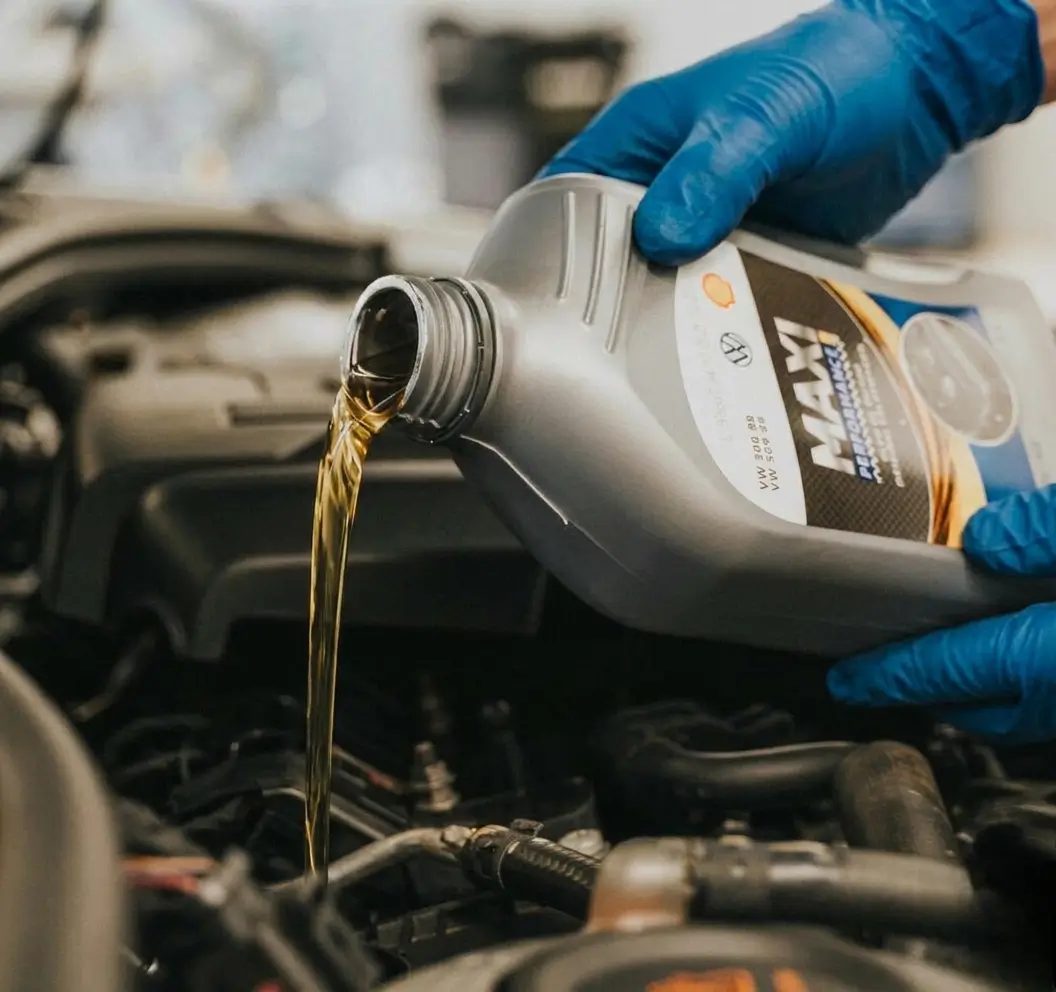
Before selecting a fluid, determine:
- Transmission manufacturer and model
- Vehicle year and original application
- Internal or valve-body modifications
- Current fluid type, if known
- Existing leaks or shifting concerns
- Warranty requirements
This matters because classic transmissions that look similar may require different fluids.
A Ford automatic originally calibrated for Type F should not be treated the same as a GM transmission designed around a Dexron-type specification.
A rebuilt transmission may also have friction materials, clearances, or calibration that differ from its original configuration.
In that situation, the rebuilder’s written recommendation generally takes priority over a generic fluid chart.
Classic Automatic Transmission Fluid Selection Guide
| Transmission situation | Recommended starting point |
|---|---|
| Original unit with known specification | Begin with factory service information and current approved replacement guidance |
| Professionally rebuilt transmission | Follow the rebuilder’s written specification and warranty requirements |
| Ford unit originally requiring Type F | Do not substitute a Mercon-type product without verified application guidance |
| GM unit originally using an earlier Dexron specification | Verify the correct current replacement for the exact unit and rebuild |
| Modified valve body or performance build | Follow the builder’s requirements |
| Unknown transmission or unknown existing fluid | Identify the unit and inspect its condition before adding or changing fluid |
| Mixed or uncertain fluid | Avoid guessing; obtain application-specific guidance |
| Manual transmission that uses ATF | Follow the manual-transmission manufacturer or builder specification—not general automatic guidance |
No single ATF is correct for every classic automatic transmission.
Can Dexron VI Be Used in a TH350 or TH400?
The answer depends on the transmission’s application, internal build, and current service guidance.
Do not base the decision only on the word “Dexron.” Different Dexron generations may have different viscosity and performance characteristics, and an older transmission may have been rebuilt with non-original friction materials or valve-body modifications.
Before using Dexron VI in a TH350, TH400, Powerglide, or another older GM automatic, verify:
- The unit’s identification and application
- Current approved replacement guidance
- Rebuilder or component-manufacturer requirements
- Existing fluid, if known
- Shift calibration and intended use
- Warranty conditions
A fluid may be suitable for one correctly identified unit and inappropriate for another modified or specially built transmission.
Can Synthetic ATF Cause Leaks?
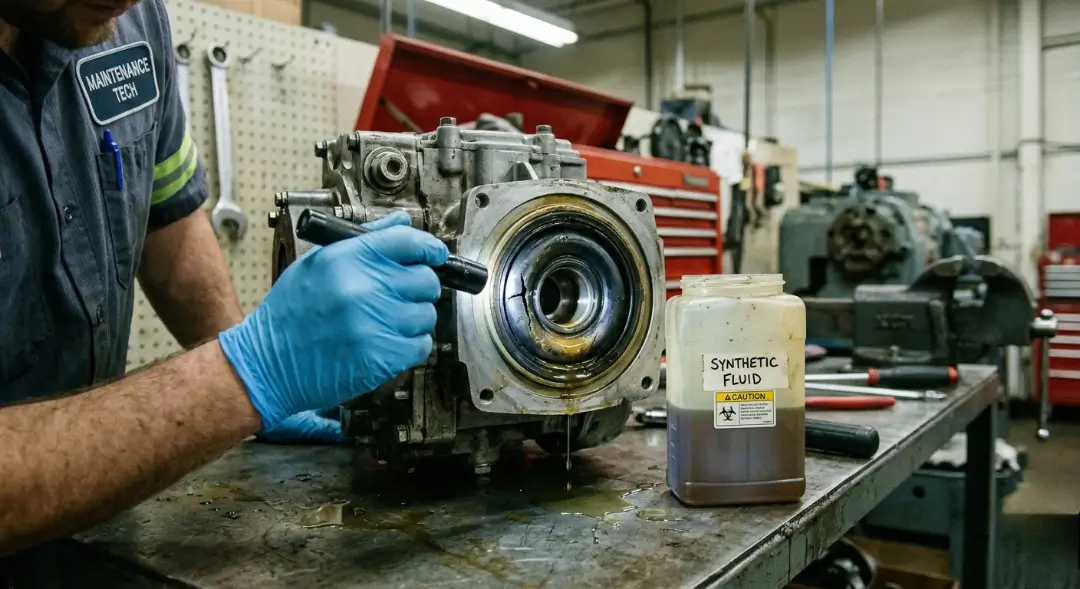
Synthetic ATF does not automatically damage old seals or create leaks.
A leak noticed after service may involve:
- Pre-existing seal deterioration
- Incorrect fluid level
- A disturbed pan gasket or drain seal
- Loose cooler-line fittings
- Incompatible fluid
- Excessive internal pressure or a venting problem
The timing of a leak does not prove that the synthetic base stock chemically caused it. The leak source should be identified before the fluid is blamed or changed again.
Synthetic versus conventional base oil is less important than whether the complete fluid meets the required specification and is appropriate for the transmission’s seals, friction materials, calibration, and operating conditions.
Why Shift Feel May Change After an ATF Change
ATF influences how clutch packs and bands apply and release. A different approved or unapproved formulation may change:
- Shift firmness
- Engagement timing
- Converter behavior
- Hydraulic response
- Low-temperature operation
A change in shift feel does not automatically mean damage has occurred. It does justify checking:
- Fluid specification
- Fluid level using the correct procedure
- Whether different fluids were mixed
- Transmission temperature
- Linkage or control adjustment
- Existing internal wear
Persistent slipping, delayed engagement, overheating, or abnormal noise requires diagnosis rather than repeated fluid substitutions.
Our guide to common transmission problems in classic cars explains these symptoms, possible causes, and when a rebuild may be necessary.
Topping Off vs. Performing a Fluid Service
Adding fluid and performing a complete service are different decisions.
Before Topping Off
Confirm:
- Why the fluid level is low
- Which fluid is already present
- Whether the proposed product is compatible
- The correct checking temperature and procedure—if you struggle to read thin, fresh ATF on a smooth factory indicator, Hagerty’s guide on modifying vintage dipsticks offers a simple trick for getting an accurate level reading
- Whether an active leak needs repair
Adding an incompatible product may create a mixture that no longer behaves as intended.
Before a Fluid Change
Review:
- Transmission condition
- Service history
- Pan and filter condition
- Existing leaks
- Current shifting behavior
- Signs of overheating or contamination
- Rebuilder requirements
If the existing fluid is unknown, do not identify it by color alone.
Should an Untouched Classic Transmission Be Power-Flushed?
An indiscriminate power flush may not be the best starting point for a neglected transmission with an unknown internal condition.
The concern is not that accumulated debris is safely “holding the transmission together.” The concern is that the unit may already have:
- Worn friction components
- Hardened seals
- Restricted passages
- A contaminated filter
- Existing hydraulic problems
- Unknown fluid mixtures
Inspection and a controlled service plan may provide better information than immediately connecting an unknown unit to flushing equipment.
The appropriate service method depends on the transmission, symptoms, fluid condition, pan findings, and service history.
Common Automatic Transmission Fluid Mistakes
Avoid:
- Selecting fluid by color
- Assuming all Dexron products are identical
- Checking fluid using the wrong temperature or procedure
- Treating a fluid change as a repair for internal wear
- Blaming new fluid for every leak or shift problem
Correct fluid cannot repair damaged clutch packs, worn seals, hydraulic-pressure loss, or mechanical failure.
How Coastline Approaches Fluid Selection
At Coastline Classic Car Restorations in Huntington Beach, fluid selection begins with the transmission—not a universal modern-versus-vintage rule.
When applicable, our evaluation may include:
- Identifying the transmission and original application
- Confirming whether it is original, rebuilt, or modified
- Inspecting fluid level and condition
- Considering vehicle use and operating conditions
- Recommending a fluid and service method for that specific configuration
Keep this section only if it accurately represents Coastline’s actual process.
For ongoing care after restoration, see our guide to maintaining a restored classic car transmission.
If you are also considering a future sale, explore how classic car transmission restoration affects resale value.
Frequently Asked Questions
Can modern ATF damage a classic transmission?
Not automatically. Risk increases when the fluid does not meet the required specification or is incompatible with the transmission’s build and calibration.
Is synthetic ATF safe for old transmissions?
It may be, provided the complete product meets the required specification. Existing leaks or worn seals should be diagnosed separately.
Can I mix different ATF types?
Do not mix products unless compatibility is confirmed for the application. Similar color does not establish compatibility.
Can changing ATF cause slipping?
A change in operation after service may involve fluid level, specification, mixing, existing wear, or another service issue. The timing alone does not establish the cause.
Should I flush an old transmission?
Not automatically. Identify the transmission, review its condition and history, and select a service method appropriate for the findings.
Classic Transmission Restoration in Huntington Beach
Coastline Classic Car Restorations evaluates classic transmissions based on identification, condition, internal configuration, and intended use.
If your vehicle requires diagnosis, rebuilding, or restoration, learn more about our classic car transmission and driveline restoration services in Huntington Beach.