

A properly restored classic car transmission can provide years of reliable performance when maintained correctly.
Regular fluid service, routine inspections, proper driving habits, and early attention to potential problems can help extend transmission life and protect the investment made during restoration.
Whether your vehicle uses a manual transmission, automatic transmission, or factory-original drivetrain, ongoing maintenance plays a critical role in preserving performance, drivability, and long-term reliability.
Quick Answer
Understanding How the Transmission Fits Into the Drivetrain
A restored transmission does not operate independently. It functions as part of the vehicle’s drivetrain, transferring engine power through the driveshaft, differential, axle assemblies, and ultimately the wheels.
Because these components work together, problems elsewhere in the drivetrain can affect transmission performance and longevity.
Related components include:
- Clutch assembly
- Flywheel
- Driveshaft
- U-joints
- Differential
- Transmission mounts
- Shift linkage
Periodic inspection of these components can help identify issues that may place unnecessary stress on a restored transmission.
Monitor Transmission Fluid Condition
Transmission fluid plays a critical role in lubrication, cooling, and component protection.
Inspect fluid regularly for:
- Low fluid level
- Dark discoloration
- Burnt odor
- Metal particles
- Contamination
Clean fluid helps protect:
- Bearings
- Bushings
- Synchronizers
- Valve bodies
- Clutch packs
- Torque converters
- Input shafts
- Output shafts
Fluid condition is often one of the earliest indicators of developing transmission problems in classic cars, making regular inspections an important part of preventative maintenance.
Choose the Correct Fluid for Your Classic Vehicle
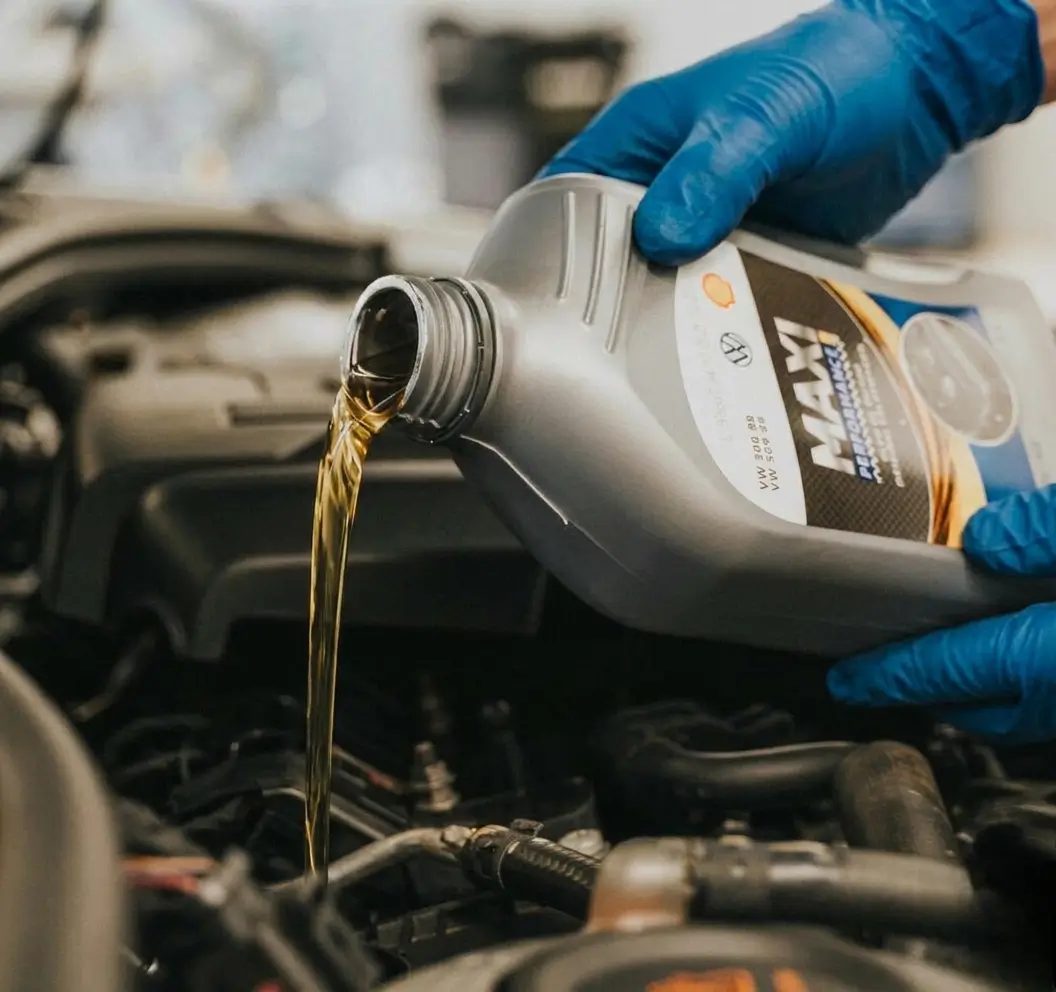
Many classic vehicles were designed for specific transmission fluids or gear oils that differ from those used in modern vehicles.
When servicing a restored transmission, verify:
- Manufacturer specifications
- Viscosity requirements
- Additive compatibility
- Manual versus automatic transmission requirements
Using incorrect fluid can contribute to shifting issues, increased wear, and reduced component life.
Owners should consult factory service information or restoration professionals when selecting transmission lubricants.
Repair Leaks Promptly
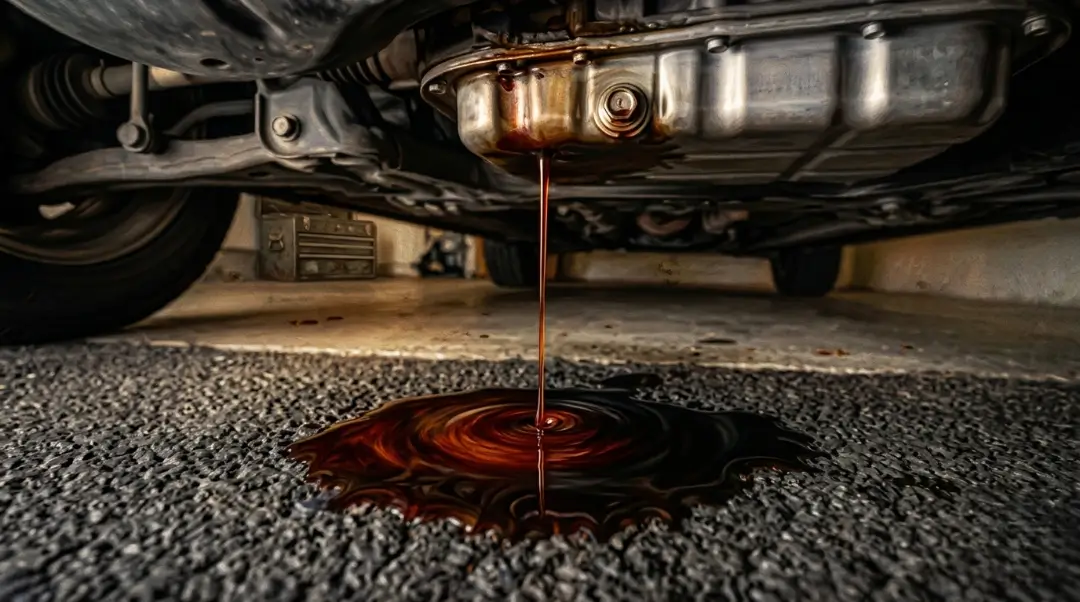
Small leaks can eventually lead to low fluid levels and internal damage.
Common leak locations include:
- Input shaft seals
- Output shaft seals
- Gaskets
- Transmission pan
- Tailshaft housing
- Cooler lines
Addressing minor leaks early is typically easier and less expensive than repairing damage caused by fluid loss.
In many cases, neglecting small transmission issues can eventually increase the overall classic car transmission restoration cost if internal components become damaged.
Follow Appropriate Service Intervals
Classic vehicles are often driven less frequently than modern vehicles, but maintenance schedules still matter.
Service intervals may vary based on:
- Vehicle usage
- Transmission type
- Driving conditions
- Storage duration
- Climate conditions
Regular inspections help identify issues before they affect performance.
Avoid Excessive Drivetrain Stress
Aggressive driving can increase wear on transmission and driveline components.
Examples include:
- Hard launches
- Abrupt shifting
- Excessive towing
- High-RPM clutch drops
- Repeated burnout-style acceleration
Reducing unnecessary stress helps protect:
- Gears
- Synchronizers
- Clutch assemblies
- U-joints
- Driveshaft components
- Differential gears
Transmission Break-In After Restoration
Many restored transmissions benefit from a careful break-in period after installation.
During the initial driving period, owners should:
- Monitor fluid levels frequently
- Check for leaks
- Listen for unusual noises
- Avoid aggressive driving
- Verify proper shifting operation
Early inspections can help identify minor adjustments before they become larger issues.
Catching problems early may also help avoid extensive repairs that can increase classic car transmission restoration timelines.
Pay Attention to Shifting Changes
Changes in shifting behavior often provide early warning signs.
Watch for:
- Hard shifting
- Delayed engagement
- Gear grinding
- Slipping
- Unusual noises
- Increased vibration
- Missed shifts
- Hesitation during gear changes
Addressing symptoms early may help prevent more extensive repairs.
Signs a Restored Transmission Needs Professional Inspection
Owners should consider a professional inspection if they notice:
- Fluid leaking beneath the vehicle
- Grinding or whining noises
- Difficulty engaging gears
- Burning fluid odor
- Excessive driveline vibration
- Sudden shifting changes
- Transmission overheating
Many serious transmission failures begin with minor symptoms that worsen over time.
Common Problems That Can Develop After Transmission Restoration
Even a properly restored transmission can develop problems over time if maintenance is neglected.
Common issues include:
- Fluid contamination
- Seal deterioration
- Minor fluid leaks
- Excessive heat buildup
- Synchronizer wear
- Bearing wear
- Gear wear
- Shift linkage problems
- Drivetrain vibration
Many of these issues develop gradually and may not be immediately noticeable. Routine inspections help identify potential problems before they lead to more significant repairs.
Inspect Related Drivetrain Components
Transmission performance is affected by surrounding drivetrain components.
Periodic inspection may include:
- Driveshaft
- U-joints
- Differential
- Clutch assembly
- Flywheel
- Shift linkage
- Transmission mounts
- Crossmembers
Wear in these components can sometimes create symptoms that resemble transmission problems.
Learning how to diagnose driveline vibration can help identify whether the issue originates in the transmission or elsewhere within the drivetrain.
Transmission Cooling and Heat Management
Heat is one of the leading causes of transmission wear.
Excessive operating temperatures can contribute to:
- Fluid breakdown
- Seal deterioration
- Reduced lubrication effectiveness
- Accelerated component wear
Owners should ensure:
- Cooling systems function properly
- Transmission coolers remain unobstructed
- Fluid levels remain correct
- Excessive heat sources are addressed
Managing heat can significantly improve transmission longevity.
Protect the Transmission During Storage
Many classic vehicles spend extended periods in storage.
Before storage:
- Verify fluid condition
- Repair active leaks
- Inspect seals and gaskets
- Ensure proper vehicle support
- Protect against moisture intrusion
During long-term storage, periodic operation may help circulate fluids and reduce the risk of component deterioration.
Manual vs Automatic Transmission Maintenance
Manual Transmission
Manual transmissions often require attention to:
- Gear oil condition
- Synchronizer wear
- Clutch operation
- Shift linkage adjustment
- Input shaft bearings
Automatic Transmission
Automatic transmissions often require monitoring of:
- Fluid condition
- Cooler performance
- Valve body operation
- Torque converter performance
- Hydraulic system integrity
Each transmission type has unique maintenance considerations.
Maintenance Checklist for a Restored Classic Car Transmission
Following a simple maintenance routine can help extend transmission life and preserve restoration quality.
Monthly Checks
- Inspect transmission fluid level
- Check for fluid leaks
- Listen for unusual noises
- Monitor shifting quality
Every Six Months
- Inspect transmission mounts
- Check driveshaft and U-joints
- Verify shift linkage operation
- Look for signs of fluid contamination
Before Extended Trips
- Confirm proper fluid condition
- Inspect for leaks
- Check drivetrain vibration
- Verify smooth shifting performance
After Long-Term Storage
- Inspect seals and gaskets
- Check fluid levels
- Look for signs of corrosion
- Perform a short test drive and monitor operation
Consistent preventative maintenance can help identify minor concerns early and reduce the likelihood of major transmission repairs.
Common Mistakes That Shorten Transmission Life
Avoid:
- Ignoring small leaks
- Delaying fluid service
- Driving with shifting problems
- Overlooking drivetrain vibration
- Using incorrect fluids
- Ignoring unusual noises
- Skipping inspections after storage
Many major transmission failures begin as minor issues that go unaddressed.
Real-World Restoration Perspective
Experienced restoration specialists often find that transmission problems develop gradually over many years.
Small leaks, fluid contamination, driveline vibration, worn mounts, deteriorated seals, or shifting irregularities may appear insignificant initially but can contribute to accelerated wear if ignored.
Periodic inspections allow potential issues to be identified before they lead to extensive repairs, helping preserve both reliability and restoration quality.
Frequently Asked Questions
How often should a restored classic car transmission be inspected?
Most owners benefit from periodic inspections, particularly before extended trips or after long periods of storage.
Should transmission fluid be changed after restoration?
Service intervals depend on transmission type, usage, operating conditions, and manufacturer recommendations.
Can storage affect a restored transmission?
Yes. Long periods of inactivity can contribute to seal deterioration, fluid issues, corrosion, and other age-related concerns.
What is the most important maintenance task?
Regular fluid inspection remains one of the most effective ways to monitor transmission health and identify potential problems early.
Can driveline problems affect transmission performance?
Yes. Components such as driveshafts, U-joints, transmission mounts, clutch assemblies, and differentials can create symptoms that resemble transmission problems.
Classic Car Transmission Maintenance in Huntington Beach
At Coastline Classic Car Restorations in Huntington Beach, California, we understand that restoration is only the beginning of long-term vehicle preservation.
Proper maintenance helps protect the time, investment, and craftsmanship involved in restoring a classic transmission.
Our restoration-focused approach emphasizes preventative maintenance, drivetrain inspections, fluid monitoring, and early problem identification to help classic car owners maximize reliability, drivability, and long-term performance.
If your vehicle requires professional repairs or a complete rebuild, learn more about our transmission & driveline restoration services available for classic cars throughout Huntington Beach and surrounding areas.