

Burning Smell in a Classic Car
If you smell burning in your classic car, it is usually caused by:
- Overheating electrical wiring
- Melting insulation (wiring harness failure)
- Oil or fluid leaks contacting hot engine parts
- Failing electrical components or short circuits
If the smell resembles burning plastic or ozone, stop driving immediately—this may indicate a serious fire risk.
What Does a Burning Smell in a Car Mean? (Quick Identification Guide)
| Smell Type | Likely Cause |
|---|---|
| Burning plastic | Wiring insulation melting |
| Ozone / electrical | Short circuit or wiring issue |
| Burning oil | Fluid leak on hot surface |
| Rubber smell | Belt, hose, or brake issue |
Electrical smells are the most dangerous and require immediate inspection.
Is a Burning Smell Dangerous in a Classic Car?
Yes.
A burning smell is often an early warning sign of:
- Electrical failure
- Wiring damage
- Potential vehicle fire
Classic cars are especially vulnerable because:
- Wiring insulation is older
- Systems lack modern circuit protection
- Repairs may have been done incorrectly over time
What starts as a smell can quickly turn into smoke—or worse.
Most Common Causes of Burning Smell in Classic Cars
What Does Electrical Fire Smell Like in a Car?
It usually smells like:
- Burning plastic
- Hot chemicals
- Slight ozone (like overheated electronics)
This is typically caused by overheating wiring or a short circuit.
1. Electrical Wiring Overheating (Most Dangerous)
Old or damaged wiring can:
- Overheat under load
- Melt insulation
- Short circuit
Produces a sharp burning plastic smell
This is the #1 fire risk in classic cars.
If you’re already dealing with battery-related issues, you may also want to read: Why classic car battery dies overnight, many electrical drains are directly tied to overheating wiring problems.
2. Failing Wiring Harness (“Hidden Electrical Damage”)
As wiring ages:
- Insulation cracks
- Wires become exposed
- Resistance increases
Leads to heat buildup and fire risk
If you’re unsure whether your wiring system is failing, see signs your classic car needs a new wiring harness.
3. Oil or Fluid Leaks on Hot Components
Leaks from:
- Engine oil
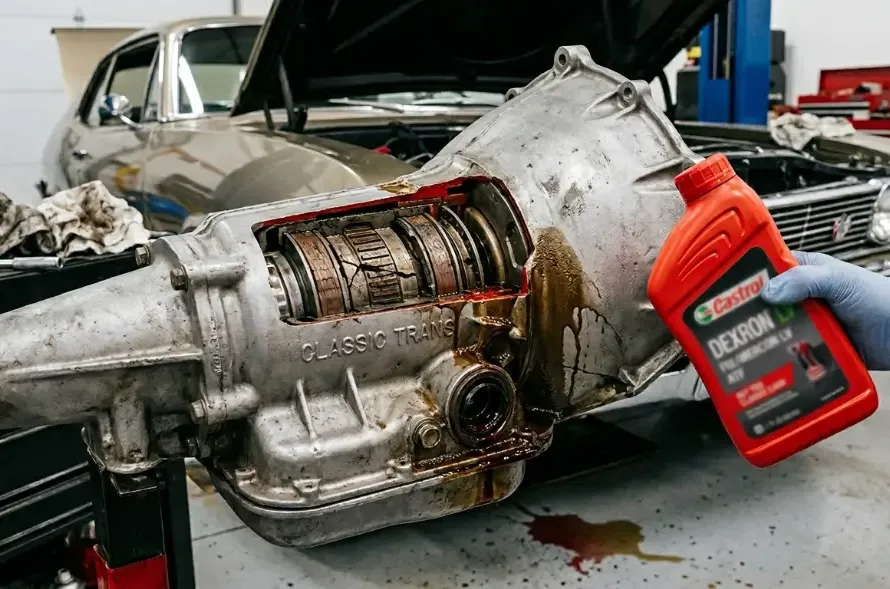
- Transmission fluid
- Power steering fluid
…can drip onto:
- Exhaust manifolds
- Engine block
Producing a burning oil smell
4. Short Circuits or Loose Connections
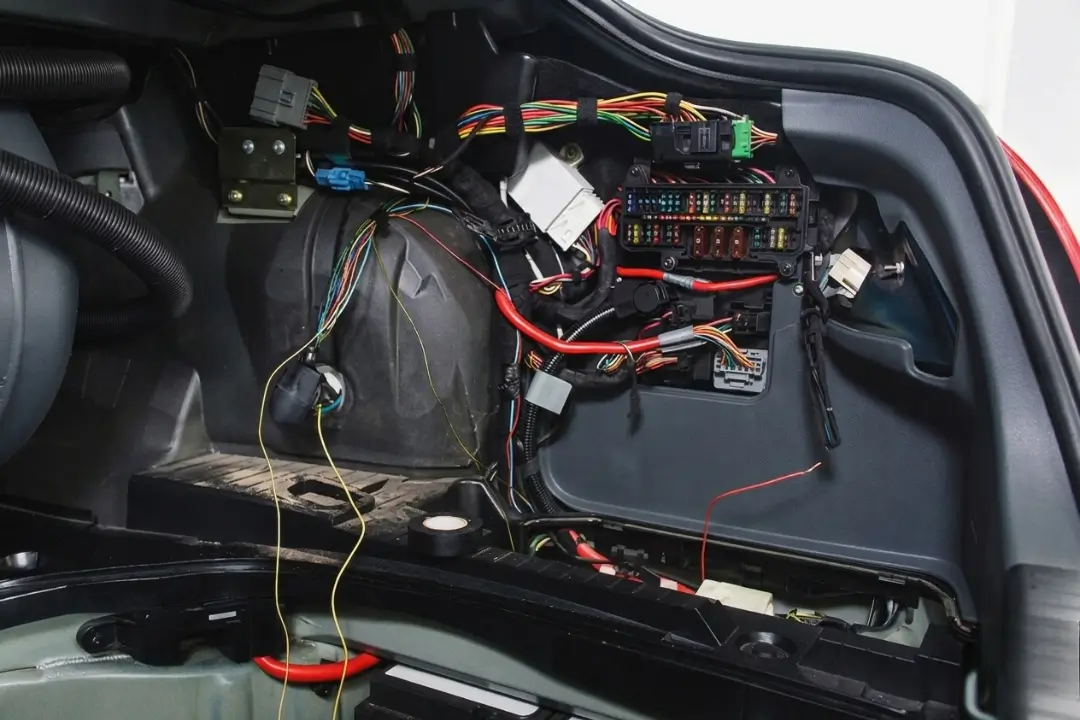
Electrical faults can cause:
- Sparks
- Heat buildup
- Component failure
Often due to corrosion, poor repairs, or bad grounding
In many cases, this is caused by a hidden electrical drain. Learn how to fix parasitic drain in a classic car.
5. Overloaded Electrical Systems
Classic cars weren’t designed for:
- Modern audio systems
- LED conversions
- Extra accessories
Overloading circuits causes:
- Excess heat
- Wire damage
- Burning smell
Is It Safe to Drive a Car That Smells Like Burning Plastic?
No.
If you smell burning plastic:
- Stop driving immediately
- Turn off the engine
- Disconnect power if safe
Even if the smell disappears, the issue is still present and can return suddenly.
Why Does My Classic Car Smell Like Burning Rubber After Driving?
This may indicate:
- A slipping belt
- Overheated hoses
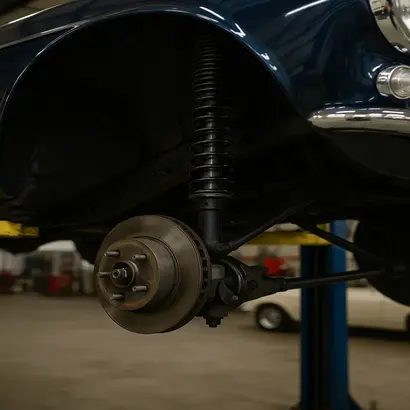
- Sticking brake caliper
If the smell is near the wheels, brakes are a likely cause.
If it’s from the engine bay, check belts and hoses.
Pro Tip: The “Sniff Test” (Quick DIY Insight)
Before guessing, locate the source:
- Under the dash → likely wiring or fuse box issue
- Engine bay → leaks or overheating components
- Near wheels → brakes or rubber components
If the smell is strongest near the ignition switch or fuse panel, your wiring harness may be failing.
Why This Is More Common in Coastal Areas (Huntington Beach)
Classic cars near the coast face a unique issue:
The “Green Death” (Verdigris Corrosion)
Salt air causes:
- Corrosion on brass and copper connectors
- Green crust buildup (verdigris)
- Increased electrical resistance
This resistance creates heat inside wiring, increasing fire risk over time
This is especially common in 60s–70s classic vehicles.
What To Do Immediately If You Smell Burning
1. Stop Driving Immediately
- Pull over safely
- Turn off the engine
2. Shut Off Electrical Power
- Turn off accessories
- Disconnect battery if safe
3. Check for Smoke or Heat
Look for:
- Smoke from dashboard
- Hot wiring
- Burning smell source
4. Do NOT Ignore It
The problem will return—and usually worse
Temporary Fix vs Real Solution
| Approach | Result | Risk |
|---|---|---|
| Ignore smell | Temporary relief | Extreme danger |
| Replace small component | Partial fix | Problem returns |
| Electrical diagnosis | Accurate | Safe |
| Full wiring replacement | Permanent | Best solution |
What Happens If You Ignore a Burning Smell
- Electrical fire risk
- Complete wiring failure
- Engine bay damage
- Total vehicle loss
Many classic car fires start with minor electrical issues
DIY Safety Check Before Visiting a Shop
Before taking it in, you can:
- Check for visible melted wires
- Look for fluid leaks near hot components
- Inspect battery terminals for corrosion
- Smell under dash vs engine bay
If you notice electrical smell + flickering lights or blown fuses, stop troubleshooting and seek professional help.
Why Professional Inspection Is Critical
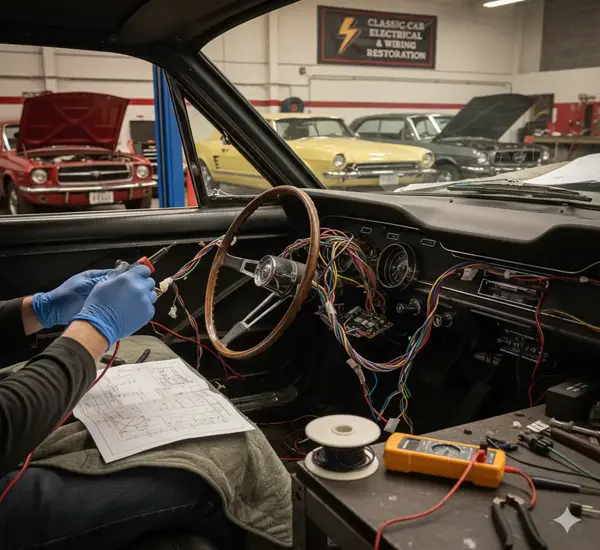
Electrical issues are often:
- Hidden
- Intermittent
- Difficult to trace
A proper inspection includes:
- Wiring harness evaluation
- Load testing
- Short circuit detection
This ensures long-term safety—not just a temporary fix
Frequently Asked Questions
What does an electrical burning smell in a car mean?
An electrical burning smell usually indicates overheating wiring, melting insulation, or a short circuit.
It often smells like burning plastic or ozone and can signal a serious fire risk. Immediate inspection is recommended.
Can a burning smell in a car go away on its own?
No.
Even if the smell disappears temporarily, the underlying issue—such as damaged wiring or a fluid leak—still exists.
Ignoring it can lead to worsening damage or vehicle fire.
Is it safe to drive a classic car with a burning smell?
No.
Driving with a burning smell is unsafe, especially if it’s electrical. You should stop driving immediately, as the issue could escalate quickly into a fire hazard.
Why do older cars have more electrical issues?
Classic cars are more prone to electrical problems because:
- Wiring insulation degrades over time
- Connectors corrode (especially in coastal areas)
- Systems lack modern circuit protection
This increases resistance, heat, and failure risk.
How do I know if my wiring harness is failing?
Common signs include:
- Burning plastic smell
- Flickering lights
- Blown fuses
- Electrical components failing intermittently
These symptoms often indicate wiring harness deterioration or damage.
What does burning oil smell like in a car?
Burning oil typically smells:
- Smoky
- Acrid
- Similar to hot engine residue
It usually happens when oil leaks onto hot parts like the exhaust manifold.
Can salt air damage a classic car’s electrical system?
Yes.
Salt air causes corrosion (often called “green death”) on electrical connectors, leading to:
- Increased resistance
- Heat buildup
- Electrical failure
This is especially common in coastal areas like Huntington Beach.
When should I get my classic car inspected for a burning smell?
You should get an inspection immediately if you notice:
- Burning plastic or electrical smell
- Smoke or visible heat
- Electrical malfunctions
Early diagnosis prevents costly repairs and serious safety risks.
Final Thoughts: A Burning Smell Is a Warning—Not a Suggestion
If your classic car smells like something is burning:
- Don’t wait
- Don’t guess
- Act immediately
Fixing the issue early:
- Prevents serious damage
- Protects your investment
- Keeps you safe
Get a Professional Electrical Inspection
If you notice any burning smell:
Contact Coastline Classic Car Restorations in Huntington Beach for a full electrical inspection and expert diagnosis.
Related Guides
To better understand and fix electrical issues in Orange County in your classic car, explore these guides: