

Restoring a classic car takes time, money and craftsmanship. Once the work is complete, many owners ask an important follow-up question:
“How do I properly insure my restored classic car?”
Standard auto insurance often doesn’t reflect the true value of a restored vehicle. Without the right coverage & valuation, owners risk being underinsured if something goes wrong.
This 2026 guide explains how classic car insurance works and how restored vehicles are valued. It also outlines what owners should understand to protect their investment.
This is especially important in Huntington Beach and coastal Orange County, where environmental and storage factors can affect long-term value.
Table of Contents
-
Why Classic Car Insurance Is Different From Standard Auto Insurance
-
How Classic Car Valuation Works
-
What Factors Affect the Value of a Restored Classic Car?
-
Does Insurance Cover Restoration Work?
-
Driving, Storage & Insurance Requirements
-
Coastal Considerations for Insurance & Valuation
-
Common Insurance Mistakes Classic Car Owners Make
-
When Should You Re-Evaluate Your Classic Car’s Value?
-
Questions to Ask Before Choosing Classic Car Insurance
-
Frequently Asked Questions
-
Protecting Your Classic Car Investment
Why Classic Car Insurance Is Different From Standard Auto Insurance
Classic cars are not valued the same way as daily drivers.
Traditional auto insurance typically bases payouts on:
- Depreciated market value
- Comparable modern vehicles
- Mileage-based formulas
Restored classic cars, however:
- Often increase in value
- Include custom labor and rare parts
- May be driven less frequently
- Are maintained and stored differently
Because of this, specialized classic car insurance is often required.
How Classic Car Valuation Works
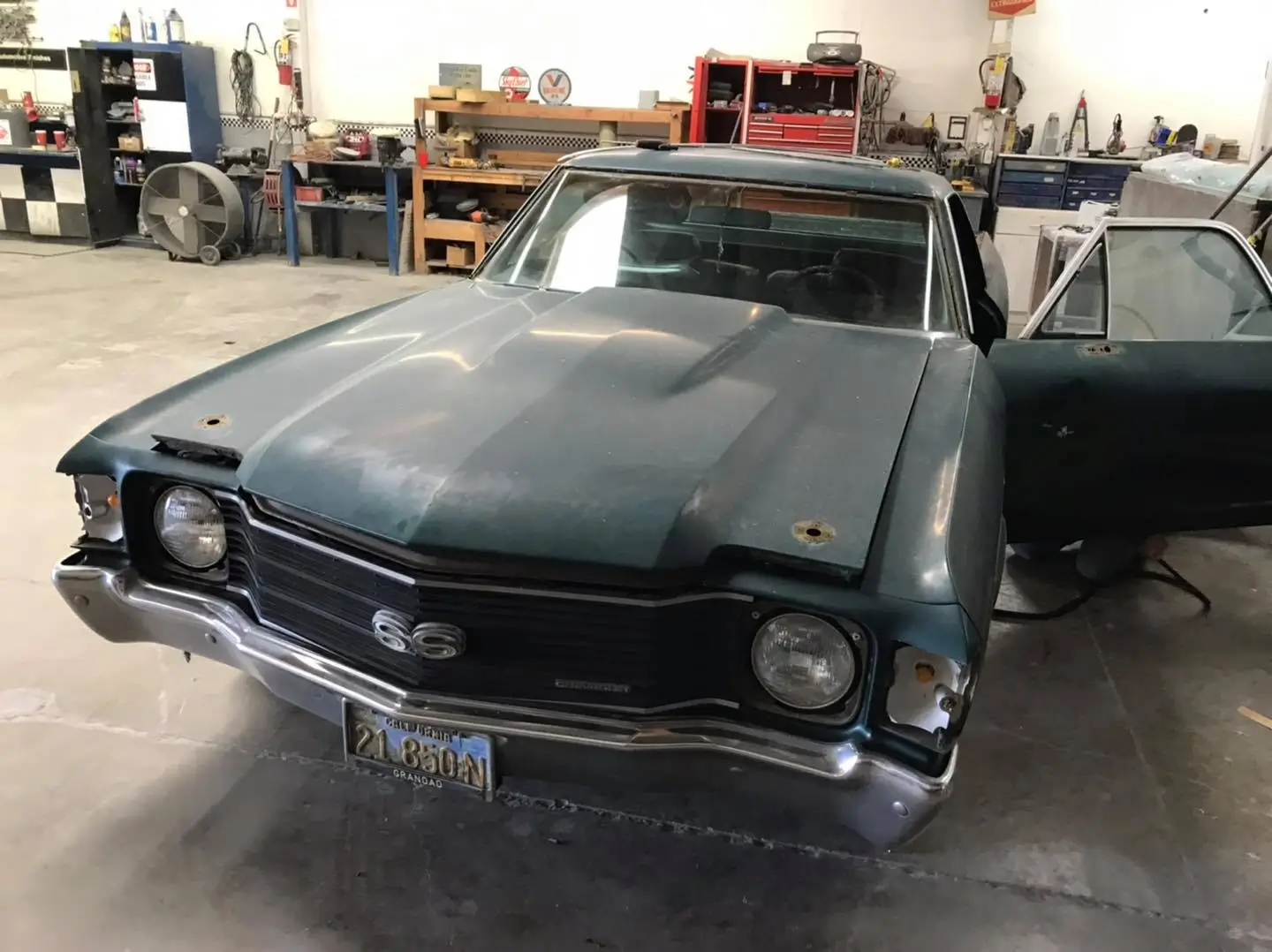
Valuation determines how much your vehicle is worth for insurance purposes.
The most common valuation methods include:
Agreed Value
- Owner & insurer agree on a fixed value upfront
- Payout matches the agreed amount in the event of a total loss
- Common for restored classics
Stated Value
- Owner states a value, but payout may still be adjusted
- Can be misleading if misunderstood
- Often confused with agreed value
Market Value
- Based on current market comparisons
- Often underestimates restored vehicles
- Less suitable for classic cars
Understanding valuation types helps avoid coverage gaps.
Industry providers like Hagerty explain that guaranteed/agreed value coverage is commonly used for properly insuring restored classic cars, because it protects the vehicle’s documented value rather than relying on depreciated market pricing.
What Factors Affect the Value of a Restored Classic Car?
Insurance valuation considers multiple factors, including:
- Quality & extent of restoration work
- Originality vs modifications
- Documentation & receipts
- Rarity and desirability of the model
- Mechanical condition
- Storage environment
- Usage frequency
Accurate valuation depends on clear documentation & realistic condition assessments.
Does Insurance Cover Restoration Work?
Coverage varies by policy.
Some policies:
- Cover the agreed value including restoration costs
- Require documentation of completed work
- May exclude unfinished projects
Others may not cover:
- Ongoing restoration labor
- Parts stored separately
- Vehicles not fully operational
Some policies offer optional coverage for spare parts or restoration materials stored separately, but this varies by provider and policy terms.
Understanding policy terms before an issue arises is critical.
Driving, Storage & Insurance Requirements
Classic car insurance often includes usage and storage conditions.
Common requirements may include:
- Limited annual mileage
- Secure indoor storage
- Climate-controlled environments
- Proof of proper storage conditions
These requirements exist to reduce risk and protect vehicle value.
Because agreed value policies assume limited usage & controlled storage conditions, insurers often require mileage limits and secure garaging to qualify for full-value coverage.
Coastal Considerations for Insurance & Valuation (Huntington Beach Insight)
In coastal areas like Huntington Beach, insurers may consider:
- Increased corrosion risk
- Humidity exposure
- Storage conditions
- Security measures
Proper storage, maintenance & documentation help support accurate valuation in coastal environments.
Common Insurance Mistakes Classic Car Owners Make
Some common issues include:
- Assuming standard auto insurance is sufficient
- Confusing stated value with agreed value
- Failing to update valuation after restoration
- Not documenting restoration work
- Overlooking storage requirements
These mistakes often result in undercoverage.
When Should You Re-Evaluate Your Classic Car’s Value?
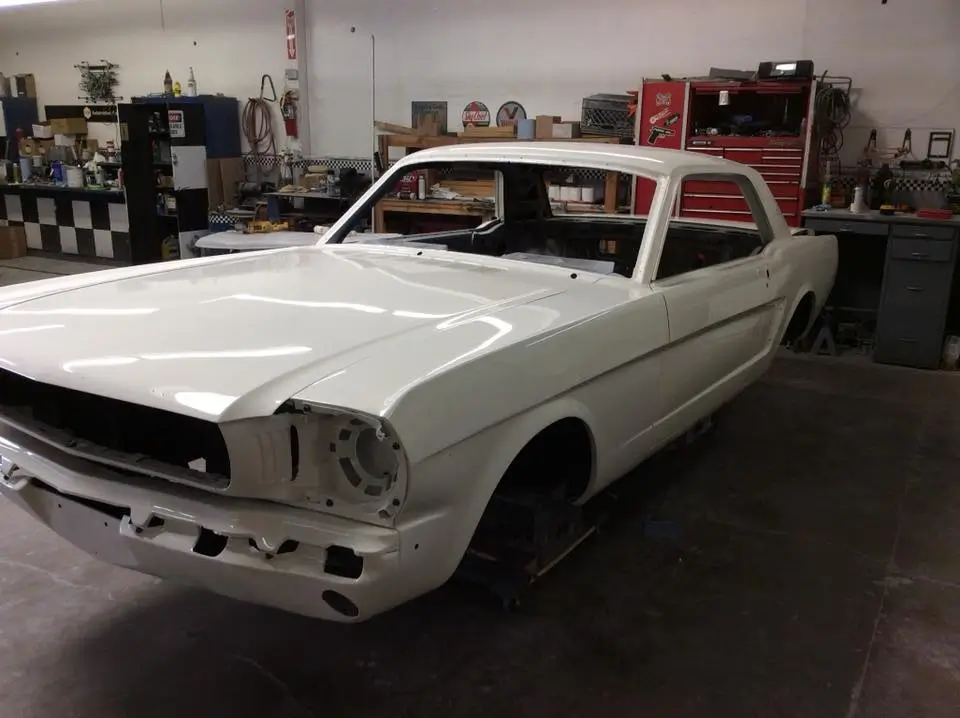
Re-evaluation is recommended when:
- Major restoration work is completed
- Rare parts are added
- Market demand changes
- The vehicle’s condition improves significantly
Keeping valuations current helps maintain proper coverage.
Classic car values can shift based on collector demand, auction trends, & rarity, which makes periodic re-evaluation especially important for restored vehicles.
Questions to Ask Before Choosing Classic Car Insurance
Before selecting a policy, consider:
- How is the vehicle valued?
- What documentation is required?
- Are restoration costs included?
- What storage conditions are required?
- How often can the car be driven?
- Are coastal risks considered?
Clear answers reduce surprises later.
Consulting a licensed insurance professional or obtaining a professional appraisal can help ensure that your vehicle’s documented value aligns with policy terms.
Frequently Asked Questions
Is classic car insurance cheaper than regular insurance?
Often yes, due to limited use and careful storage, but coverage terms differ.
Does classic car insurance cover full restoration value?
Only if the agreed value reflects completed restoration work.
Can I insure a classic car during restoration?
Some policies allow coverage during restoration, but terms vary.
Is an appraisal required for classic car insurance?
Many insurers require an appraisal or detailed documentation.
How often should a classic car’s value be updated?
After major changes or restoration milestones.
Protecting Your Classic Car Investment
Classic car insurance is about more than compliance—it’s about protecting the time, effort & craftsmanship invested in restoration.
At Coastline Classic Car Restorations, based in Huntington Beach, we work with classic car owners throughout Costa Mesa, Newport Beach, Fountain Valley, Irvine & surrounding Orange County areas to help them understand restoration considerations that affect long-term value, storage & protection.
Understanding insurance and valuation helps ensure your classic car is protected properly—before you ever need to make a claim.
Disclaimer: This guide is for informational purposes only and does not constitute professional insurance or legal advice.
Coastline Classic Car Restorations is not a licensed insurance provider; please consult with a certified insurance agent to confirm specific policy terms and coverage for your vehicle.