

A rough ride in a classic car is often caused by worn suspension components, aging shock absorbers, deteriorated bushings, sagging springs, tire issues, or steering system wear.
Because many classic vehicles retain older components or have spent years in storage, ride quality can gradually decline without obvious signs of failure.
If your classic car feels harsher over bumps, less stable on the road, or noticeably less comfortable than before, a suspension and steering inspection may help identify the underlying cause.
These are often among the warning signs that a classic car may need suspension repair.
What Causes a Rough Ride in a Classic Car?
A properly functioning suspension system helps absorb road imperfections while maintaining stability and control.
Over time, suspension components wear, rubber parts deteriorate, and springs lose their original strength.
Understanding how suspension wear develops in classic cars can help owners identify problems before ride quality and handling noticeably decline.
In many classic vehicles, ride quality declines gradually, making it difficult for owners to recognize the extent of the deterioration until handling and comfort noticeably worsen.
Worn Shock Absorbers
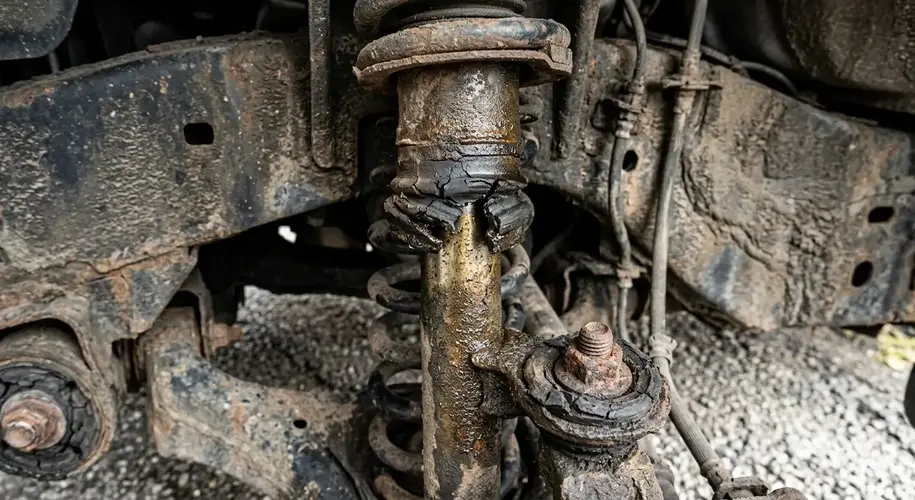
One of the most common causes of a rough ride is worn shock absorbers.
Shock absorbers help control spring movement and prevent excessive bouncing after encountering bumps or uneven pavement.
As shocks age, they may lose their ability to dampen suspension movement effectively, resulting in:
- Increased bouncing
- Reduced ride control
- Harsh impacts over road imperfections
- Excessive body movement
- Less stable handling
Even if shock absorbers show no visible leaks, internal wear can significantly reduce their performance.
Aging Suspension Bushings
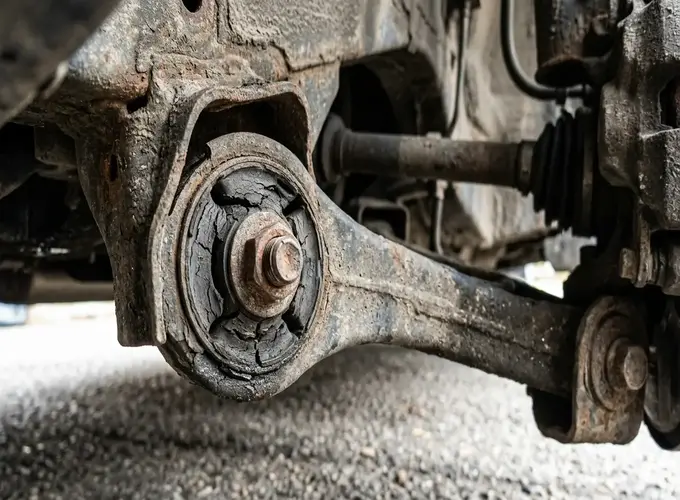
Suspension bushings are designed to absorb vibration and cushion the movement of suspension components.
Most classic vehicles use rubber bushings that naturally deteriorate with age, regardless of mileage.
When bushings become hardened, cracked, or worn, drivers may notice:
- Increased vibration
- Harsh ride quality
- Clunking noises
- Reduced steering precision
- Additional suspension movement
In many restoration inspections, bushings appear acceptable externally but have lost much of their flexibility internally.
Sagging or Fatigued Springs
Springs support vehicle weight and help maintain proper ride height.
Over decades of use, coil springs and leaf springs can gradually weaken or sag.
Symptoms of spring fatigue may include:
- Uneven ride height
- Bottoming out over bumps
- Increased body roll
- Reduced ride comfort
- Poor suspension performance
Because spring deterioration often occurs slowly, many owners become accustomed to changes in ride quality without realizing suspension performance has declined.
Tire Problems Affecting Ride Comfort
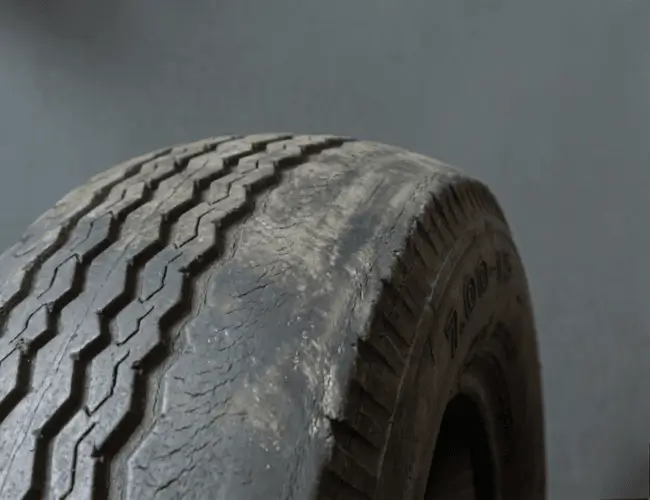
Not every rough ride originates within the suspension itself.
Tires can significantly influence ride quality, especially on classic vehicles.
Potential tire-related causes include:
- Overinflated tires
- Uneven tire wear
- Flat spots from long-term storage
- Tire age and deterioration
- Incorrect tire sizing
Classic cars that have remained parked for extended periods may develop tire flat spots that create vibration and ride harshness even after the vehicle returns to regular use.
Steering Component Wear
The steering system and suspension work together to maintain vehicle stability and ride quality.
As steering components wear, the vehicle may feel less controlled and less comfortable to drive.
Common wear items include:
- Tie rods
- Steering linkage
- Idler arms
- Pitman arms
- Steering box components
Wear in these areas can contribute to vibration, wandering, and an overall feeling of instability.
Long-Term Storage Can Accelerate Ride Quality Problems
Many classic cars spend months or years in storage.
Although limited driving reduces mileage accumulation, prolonged inactivity can still affect suspension and steering components.
Common storage-related issues include:
- Hardened rubber components
- Corrosion
- Dry rot
- Tire flat spotting
- Seized suspension components
For this reason, low-mileage classic vehicles sometimes require suspension repairs despite relatively little road use.
How Do You Know If the Suspension Is Causing the Rough Ride?
Several symptoms may indicate that suspension wear is contributing to ride quality problems.
Common warning signs include:
- Excessive bouncing
- Clunking noises
- Steering wander
- Uneven tire wear
- Vehicle pulling to one side
- Increased body roll
- Harsh impacts over bumps
If multiple symptoms occur simultaneously, a suspension inspection is often recommended.
Can a Rough Ride Affect Vehicle Safety?
Yes.
A rough ride is often more than a comfort issue.
As suspension performance declines, tire contact with the road can become less consistent, reducing handling precision and vehicle stability.
Suspension wear may also contribute to:
- Longer stopping distances
- Reduced steering control
- Accelerated tire wear
- Increased stress on suspension components
- Poor cornering performance
Addressing suspension concerns early can help prevent additional wear and maintain safe driving characteristics.
How Suspension Restoration Improves Ride Quality
Suspension restoration focuses on returning the vehicle to proper operating condition by repairing or replacing worn components.
Vehicle owners often ask about the cost of restoring a classic car suspension system before beginning a restoration project.
Depending on the vehicle’s condition, repairs may include:
- Shock absorber replacement
- Spring replacement or restoration
- Bushing replacement
- Ball joint replacement
- Steering component repairs
- Ride height correction
- Suspension alignment adjustments
Restoring these components can significantly improve comfort, handling, stability, and overall driving confidence.
Professional Classic Car Suspension Inspection in Huntington Beach
At Coastline Classic Car Restorations in Huntington Beach, we inspect and restore suspension systems for vintage, antique, muscle cars, and collector vehicles throughout Orange County.
Our team evaluates ride quality concerns by examining shock absorbers, springs, bushings, steering linkage, suspension geometry, ride height, and related components.
Whether your classic car feels harsh over bumps, unstable at highway speeds, or noticeably less comfortable than it once was, we perform detailed inspections tailored specifically to vintage automobiles.
Our classic car suspension repair and restoration services are designed to identify worn components and restore proper ride quality, handling, and driving comfort.
A properly functioning suspension helps your classic car deliver the comfort, stability, control, and driving experience it was originally designed to provide.
If you’re experiencing ride quality or handling issues, explore our classic car suspension repair and restoration services to learn how our team helps restore comfort, stability, and confidence behind the wheel.