One of the most important decisions classic car owners face isn’t how to restore their vehicle—it’s what type of restoration makes the most sense.
Should you fully restore it to factory condition?
Preserve its originality and patina?
Or build a restomod with modern performance & comfort?
If you’re a classic car owner in Huntington Beach or Orange County, this 2026 guide explains the differences between restoration, preservation, and restomods.
It also outlines the pros and cons of each approach and how to choose based on your goals, budget, and how you plan to use your car.
Why Choosing the Right Restoration Approach Matters

The restoration path you choose affects:
- Cost & timeline
- Originality and authenticity
- Driving experience
- Long-term value
- Required services (mechanical, interior, exterior)
There is no “one-size-fits-all” answer. The right approach depends on what you want from the car, not just what looks best.
Option 1: Full Classic Car Restoration
What Is a Full Restoration?
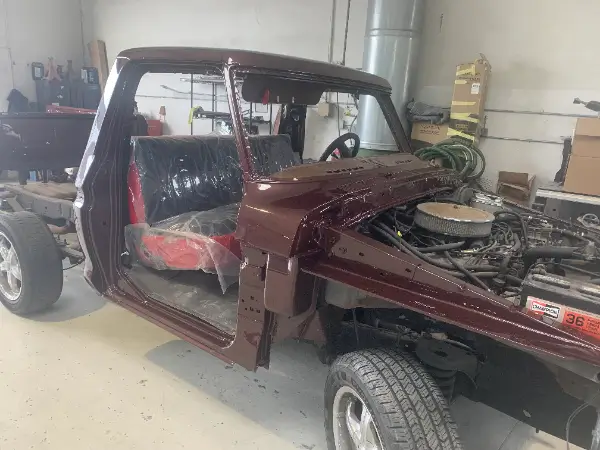
A full restoration returns a classic car as close as possible to its original factory condition. This often includes:
- Bodywork & panel repair
- Period-correct paint & finishes
- Engine & drivetrain restoration
- Interior restoration using authentic materials
- Correct trim, hardware & detailing
When Full Restoration Makes Sense
- You want originality & authenticity
- The car has historical or collectible value
- You plan to show the car or keep it long-term
- Original components are available or restorable
Considerations
- Typically the most time-intensive option
- Requires experienced craftsmanship
- Costs vary based on condition and parts availability
Full restoration is ideal for owners who value accuracy & heritage.
Option 2: Preservation (Original Condition with Minimal Intervention)
What Is Preservation?
Preservation focuses on maintaining what already exists, rather than replacing or refinishing everything. The goal is to keep:
- Original paint and patina
- Factory interiors
- Numbers-matching components
Mechanical & safety issues are addressed, but cosmetic originality is preserved whenever possible.
When Preservation Is the Right Choice
- The car is largely original
- Patina adds character and value
- You want minimal alteration
- The vehicle is a survivor or rare example
Considerations
- Rust & corrosion must still be addressed carefully
- Requires restraint and experienced judgment
- Not ideal for heavily damaged vehicles
Preservation is often chosen by collectors who value authenticity over perfection.
According to Hagerty, well-preserved original examples can sell for 75% to 100% more than the best restored examples. As their market data shows, originality and documented history command significant premiums in today’s collector market.
Option 3: Restomod (Classic Style with Modern Performance)
What Is a Restomod?
A restomod combines classic appearance with modern upgrades, such as:
- Updated engines or fuel injection
- Modern brakes & suspension
- Improved electrical systems
- Comfort upgrades (HVAC, seating, drivability)
The exterior may remain classic, while the driving experience feels modern.
When a Restomod Makes Sense
- You plan to drive the car regularly
- Safety and reliability are priorities
- You want modern performance without losing classic style
- Originality is less important than usability
Considerations
- May reduce originality for purists
- Requires careful integration to avoid cutting corners
- Best done by shops experienced in both classic and modern systems
Restomods are popular with owners who want to enjoy their cars on today’s roads.
How Coastal Conditions Affect This Decision (Huntington Beach Insight)
In coastal areas like Huntington Beach, environmental factors matter:
- Salt air accelerates corrosion
- Humidity affects metal, paint & interiors
- Long-term protection is critical
This often influences decisions toward:
- Enhanced corrosion protection
- Mechanical reliability upgrades
- Practical restorations that balance authenticity with durability
Local experience plays a key role in choosing the right approach.
Key Questions to Ask Before Choosing Your Restoration Path
Before deciding, ask yourself:
- How will I use this car—show, drive, or occasional enjoyment?
- How important is originality?
- What condition is the car currently in?
- Do I want modern comfort and safety?
- Am I restoring for myself or resale?
Clear answers lead to better decisions and fewer regrets.
Frequently Asked Questions
What is the difference b/w restoration & restomod?
Restoration focuses on originality, while restomods combine classic style with modern performance & comfort upgrades.
Does preserving a classic car cost less than restoring it?
Not always. Preservation can still involve significant mechanical and corrosion work, especially in coastal environments.
Are restomods worth less than restored classic cars?
Value depends on buyer preference. Some restomods are highly sought after, while purists may prefer original restorations.
Can a car be partially restored & later restomodded?
Yes. Many projects evolve over time as owners refine their goals.
Which approach is best for coastal classic cars?
It depends on condition and usage, but corrosion protection and reliability are especially important near the coast.
Choosing the Right Path with Confidence
There is no single “correct” way to approach a classic car—only the approach that fits your goals, your vehicle, and how you plan to enjoy it.
At Coastline Classic Car Restorations in Huntington Beach, we work with classic car owners throughout Costa Mesa, Newport Beach, Fountain Valley, Irvine, and surrounding Orange County.
We evaluate vehicles honestly and recommend restoration paths that make sense—without pressure or assumptions.
Understanding your options is the first step toward a successful classic car project.