If you’re thinking about restoring a classic car, one of the first questions that comes to mind is simple:
“How long is this actually going to take?”
The honest answer is that classic car restoration timelines depend on several real-world factors—many of which aren’t visible until the vehicle is fully inspected & disassembled.
In this 2026 guide, we explain realistic restoration timelines, what affects them & how professional shops in Huntington Beach approach scheduling responsibly.
Quick Answer: Average Classic Car Restoration Timelines
While every project is different, most restorations fall into these ranges:
- Minor or partial restoration: 3–6 months
- Full restoration: 9–18 months
- Frame-off restoration: 12–24 months or longer
These timelines reflect real shop conditions, not best-case scenarios.
According to Hagerty, professional concours-level restorations now typically require 4,000–5,000 hours of labor and can take three years or more, with high-end shops commanding $135 per hour and maintaining three-year backlogs.
This context helps illustrate why even standard full restorations require significant time to complete properly.
Why Classic Car Restoration Timelines Vary So Much
Unlike modern vehicle repairs, classic car restoration is not standardized. Each vehicle comes with its own history, wear & unknowns.
The biggest factors affecting timeline include:
- Rust and corrosion (especially in coastal areas)
- Availability of replacement or original parts
- Level of restoration (driver-quality vs show-quality)
- Custom fabrication requirements
- Paint finish expectations
- Mechanical condition at intake
In Huntington Beach, coastal exposure often means additional inspection & corrosion protection steps, which can affect timelines—but significantly improve long-term results.
Step-by-Step Restoration Timeline Breakdown
Initial Inspection & Planning
Typical time: 1–3 weeks
This stage includes:
- Structural & rust assessment
- Mechanical evaluation
- Defining restoration goals
- Parts sourcing research
Accurate planning here prevents major delays later.
Disassembly & Documentation
Typical time: 2–6 weeks
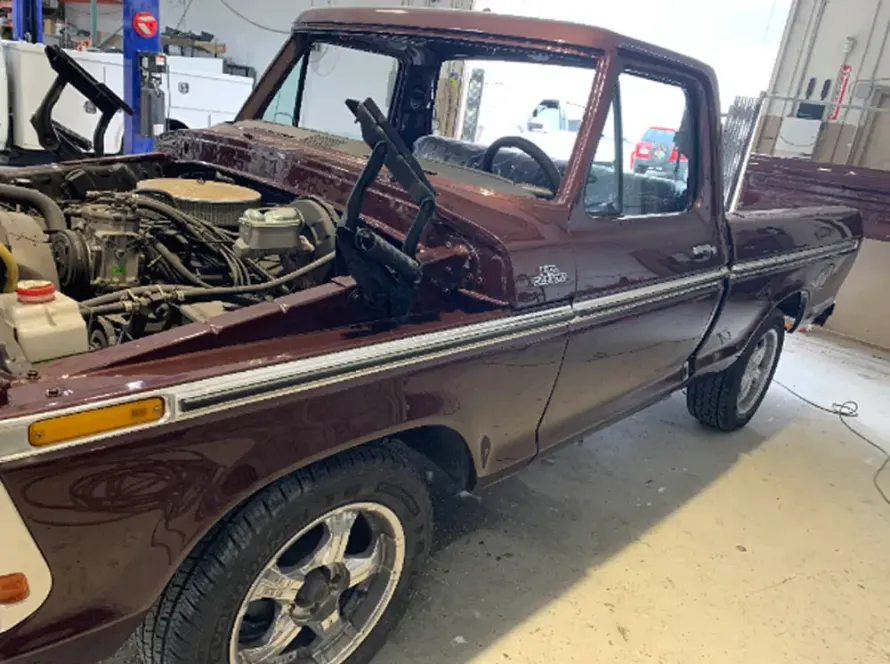
For full restorations, the vehicle is carefully disassembled & documented. This process often reveals hidden rust or previous repairs that were not visible initially.
In real-world restorations, timelines frequently adjust at this stage once the full condition is known.
Bodywork, Metal Repair & Rust Restoration
Typical time: 2–6 months
This is often the longest phase of the restoration.
Work may include:
- Rust removal & metal fabrication
- Panel repair or replacement
- Frame inspection & correction
- Corrosion prevention treatments
In coastal environments like Huntington Beach, proper rust repair takes time but prevents future failures.
Engine, Drivetrain & Mechanical Work
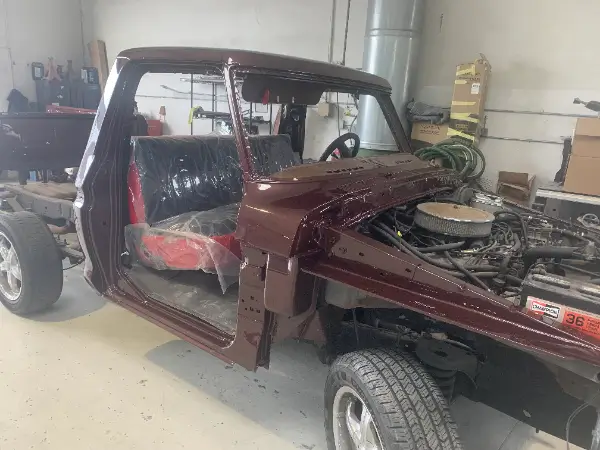
Typical time: 2–4 months (often overlapping)
Mechanical restoration can run alongside bodywork & may include:
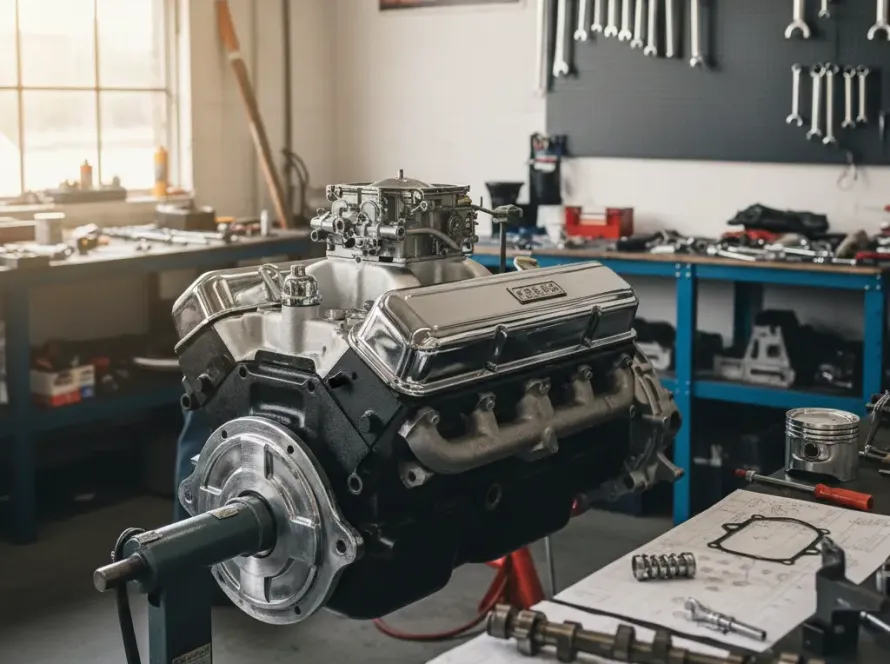
- Engine rebuilding or refreshing
- Transmission service
- Suspension & brake restoration
- Steering system inspection
Parts availability and originality requirements often influence duration.
Electrical System Restoration
Typical time: 1–2 months
Classic electrical systems are frequently brittle or unsafe. Restoration may involve:
- Replacing wiring harnesses
- Restoring gauges & lighting
- Updating charging and ignition systems
This stage improves reliability without altering authenticity.
Paint Preparation & Refinishing

Typical time: 1–3 months
Paint quality is directly tied to preparation time.
This stage includes:
- Surface preparation and priming
- Period-correct color matching
- Paint application & curing
- Final polishing
Rushing paint almost always leads to long-term dissatisfaction.
Interior Restoration & Trim Installation

Typical time: 1–2 months
Interior work includes:
- Upholstery restoration
- Carpets and headliners
- Dash, trim & hardware installation
Authentic materials & custom work may extend this phase slightly.
Final Reassembly, Testing & Road Evaluation
Typical time: 1–2 months
Once all systems are restored, the vehicle is reassembled, tested & tuned.
This phase ensures:
- Proper system operation
- Safe drivability
- Leak detection & adjustments
- Real-world road testing
Can a Classic Car Restoration Be Completed Faster?
In some cases, timelines can be shortened by:
- Limiting customization
- Using readily available parts
- Choosing partial restoration
- Prioritizing mechanical reliability over cosmetics
However, quality restoration should never be rushed. Delays are often the result of doing things correctly—not inefficiency.
Why Setting Realistic Expectations Matters
Classic car restoration is a long-term investment. Clear communication between owner & shop is essential.
A professional restoration shop will:
- Set milestone-based timelines
- Communicate delays transparently
- Adjust scope responsibly as conditions are discovered
This approach leads to better outcomes and fewer surprises.
Frequently Asked Questions About Restoration Timelines
How long does a full frame-off restoration usually take?
Most frame-off restorations take 12 to 24 months, depending on vehicle condition & restoration goals.
Why do timelines change after restoration begins?
Hidden rust, prior repairs, or rare parts sourcing often become visible only after disassembly.
Does location affect restoration timelines?
Yes. Coastal areas like Huntington Beach may require additional corrosion protection & inspection steps.
Based in Huntington Beach, Coastline Classic Car Restorations proudly serves classic car owners throughout Costa Mesa, Newport Beach, Fountain Valley, Irvine & surrounding Orange County communities.
Our local experience allows us to account for coastal conditions, parts availability & Southern California driving needs when planning restoration timelines.
Start Your Restoration With a Clear Timeline
Understanding how long a classic car restoration takes helps you plan realistically and protect your investment.
At Coastline Classic Car Restorations in Huntington Beach, timelines are based on hands-on inspections—not assumptions—so you know what to expect from the start.