Quick Answer
Yes—for most classic car owners, converting from 6V to 12V is worth it if you want:
Faster engine starting
Brighter headlights
More reliable electrical performance
Compatibility with modern accessories
However, the conversion must be done correctly. Improper upgrades can damage gauges, wiring, and original components—often leading to electrical problems…
Why Are My Classic Car Lights Flickering?
Classic car lights flicker when voltage becomes unstable in the electrical system.
The most common causes are:
Weak battery or low voltage at idle
Faulty alternator or voltage regulator
Bad ground connections (very common)
Corroded or aging wiring harness
Electrical overload from…
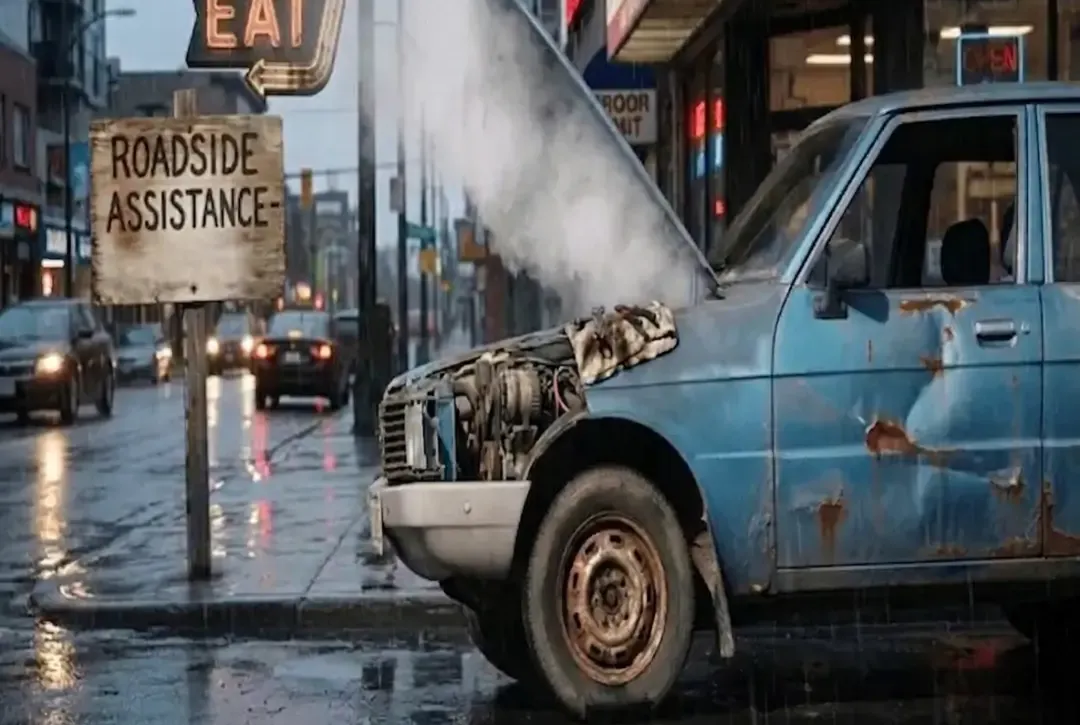
Burning Smell in a Classic Car
If you smell burning in your classic car, it is usually caused by:
Overheating electrical wiring
Melting insulation (wiring harness failure)
Oil or fluid leaks contacting hot engine parts
Failing electrical components or short circuits
If the smell resembles burning plastic or ozone, stop driving…
How Do You Fix Parasitic Drain in a Classic Car?
To fix parasitic drain in a classic car:
Confirm the drain exists
Measure current draw accurately
Isolate the faulty circuit
Inspect wiring and components
Repair or replace the root cause
The goal is not to replace parts—it’s to eliminate the…
Why Does My Classic Car Battery Die Overnight?
If your classic car battery dies overnight, the most likely cause is a parasitic electrical drain—a component or wiring issue that continues to draw power even when the car is off.
In many cases, this issue is tied to broader electrical problems in classic cars that worsen…
What Are the Signs your Classic Car Needs a New Wiring Harness?
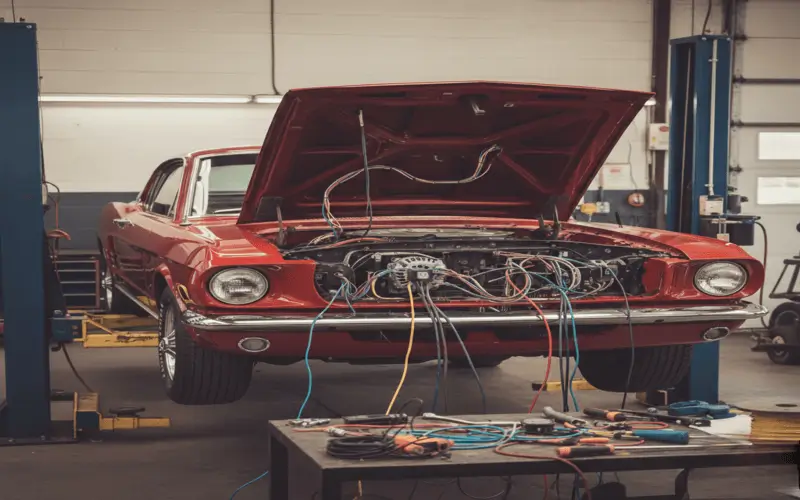
Your classic car likely needs a new wiring harness if you notice:
Flickering or dimming lights
Burning plastic or ozone smell
Frequent blown fuses
Electrical components failing intermittently
Warm or overheating switches
If multiple symptoms appear,…