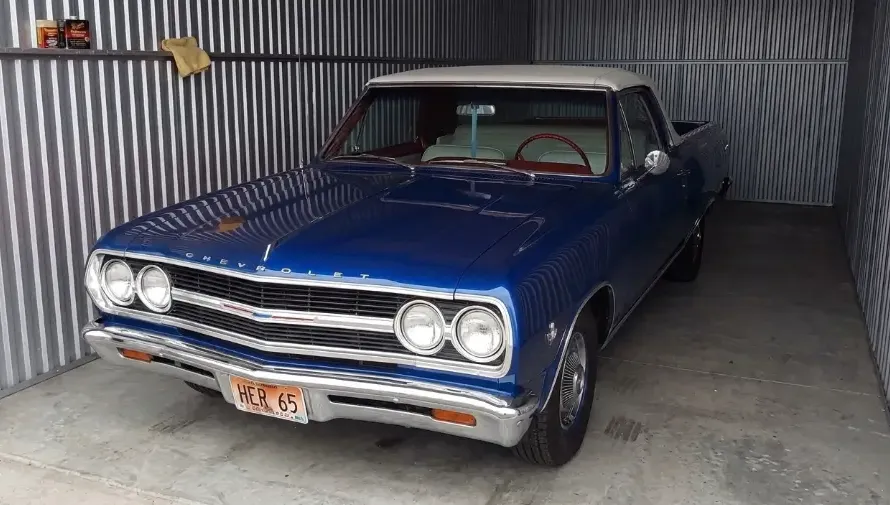
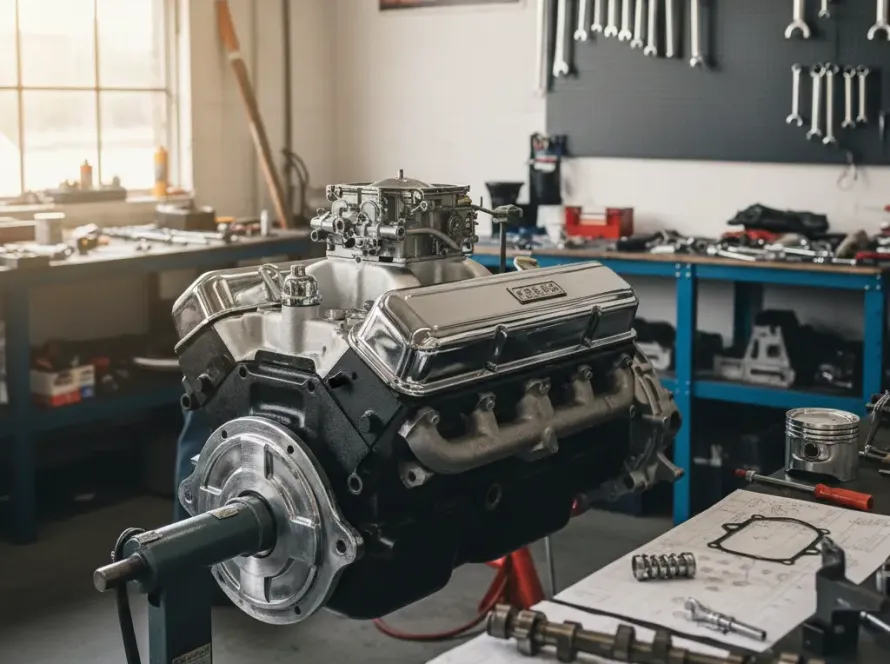
Rust is one of the most common—and most damaging—issues affecting classic cars. For owners in coastal areas like Huntington Beach, corrosion is not just a cosmetic concern.
It can impact structural integrity, safety, and long-term value if not addressed correctly.
This 2026 guide explains why rust forms, how it affects classic vehicles, what proper rust repair actually involves, and how coastal conditions in Orange County change the restoration approach.
Why Rust Is Such a Serious Issue in Classic Cars
Classic cars were built long before modern corrosion protection methods became standard. Many older vehicles lack:
- Galvanized steel
- Modern sealants
- Advanced rust inhibitors
- Proper underbody coatings
As a result, moisture exposure over time leads to oxidation—commonly known as rust—which gradually weakens metal components.
Left untreated, rust spreads beneath paint, inside panels, and into structural areas that are not immediately visible.
Common Areas Where Rust Develops in Classic Cars

Rust rarely appears in just one place. Common problem areas include:
- Floor pans & rocker panels
- Quarter panels & door bottoms
- Wheel wells & trunk floors
- Frames and subframes
- Seams, joints, and underbody sections
Rust affecting floor pans, rocker panels, & body panels often requires professional bodywork & panel restoration to restore structural strength and proper alignment.
In coastal environments, rust often starts from the inside out, making early detection difficult without proper inspection.
How Coastal Conditions Accelerate Corrosion
In Huntington Beach & surrounding Orange County areas, salt air & humidity significantly increase corrosion risk.
Key coastal factors include:
- Salt particles carried by ocean air
- Higher moisture levels
- Condensation in enclosed storage
- Temperature fluctuations
These conditions speed up oxidation and cause rust to reappear if repairs are rushed or incomplete.
Surface Rust vs Structural Rust: What’s the Difference?

Understanding the type of rust is critical.
Surface Rust
- Affects the outer metal layer
- Often appears as bubbling paint or discoloration
- Can sometimes be addressed if caught early
Structural Rust
- Penetrates metal thickness
- Weakens panels, frames, or mounting points
- Requires cutting, fabrication, and welding
Structural rust is a safety issue and must be repaired professionally.
When corrosion reaches mounting points or undercarriage components, it can impact suspension, steering, and braking systems.
In these cases, mechanical restoration becomes an important part of the repair process.
What Proper Rust Repair Really Involves
Effective rust repair is not about covering damage—it’s about removing it completely.
Proper rust repair typically includes:
- Full inspection & disassembly as needed
- Cutting out affected metal
- Fabricating or installing replacement panels
- Welding and structural reinforcement
- Treating surrounding areas to prevent recurrence
- Sealing & protecting repaired sections
According to PPG, the leading automotive coatings supplier, modern electrocoat technologies provide exceptional resistance to salt spray, humidity and cyclic corrosion—critical protection for vehicles in coastal Huntington Beach environments.
Shortcuts, fillers, or surface-only fixes often lead to rust returning within a few years.
Once metal repairs are completed, professional paint & refinishing help seal restored areas and protect repaired surfaces from future corrosion.
Why Rust Repair Takes Time During Restoration
Rust repair is often the most time-intensive phase of a classic car restoration because:
- Damage is frequently hidden
- Each repair is custom-fit
- Structural integrity must be preserved
- Prevention steps are just as important as repair
In coastal restorations, additional corrosion-prevention measures are essential to ensure long-term durability.
Preventing Rust After Restoration
While no classic car is completely immune to rust, proper prevention dramatically slows corrosion.
Hidden corrosion beneath carpets or around seat mounts is common in older vehicles. In many cases, both metal repair and interior restoration are required once structural issues are addressed.
Effective prevention strategies include:
- Correct metal sealing and coatings
- Proper drainage and ventilation
- Climate-aware storage
- Routine inspections
- Professional-quality paint & underbody protection
Prevention is far more cost-effective than repeated repair.
Ongoing care can help remove moisture buildup and protect underbody and exterior surfaces over time. Professional detailing services may also support long-term protection.
Why Coastal Rust Repair Requires Local Expertise
Rust repair techniques that work inland may fail near the coast.
A restoration shop familiar with Huntington Beach coastal conditions understands:
- Where corrosion commonly hides
- Which materials and coatings last longer
- How to prepare vehicles for salt-air exposure
- How to balance authenticity with protection
Local experience plays a major role in long-term success.
For further details about classic cars, see our complete classic car restoration guide.
Frequently Asked Questions About Rust & Corrosion in Classic Cars
Can rust return after restoration?
Yes, if repairs are rushed or corrosion protection is inadequate. Proper preparation and sealing are critical.
Is rust repair always required in classic car restoration?
Not always, but most classic cars—especially those near the coast—require at least some level of rust inspection and treatment.
Can surface rust be repaired without cutting metal?
In limited cases, early surface rust can be treated, but deeper corrosion usually requires metal repair.
Does storing a classic car indoors prevent rust?
Indoor storage helps, but humidity control and proper sealing are equally important.
Is rust repair different for coastal cars?
Yes. Coastal vehicles often require additional inspection and long-term corrosion protection.
Protecting Your Classic Car the Right Way
Rust is one of the most preventable causes of long-term damage in classic cars—when addressed correctly.
At Coastline Classic Car Restorations, based in Huntington Beach, we work with classic car owners throughout Orange County areas to assess corrosion risks and plan restoration work that lasts.
Understanding rust early helps protect your investment and ensures your classic car remains safe, reliable, and structurally sound for years to come.