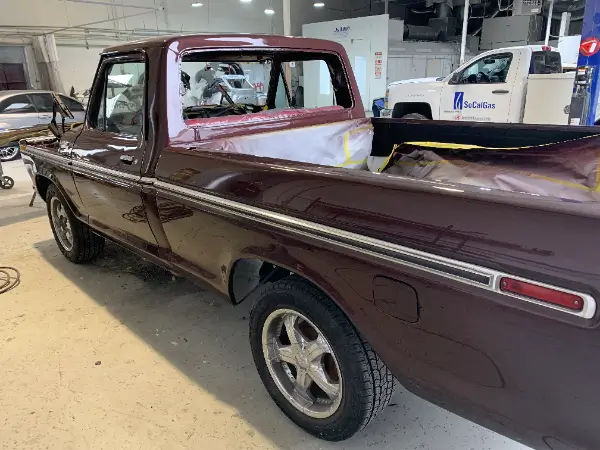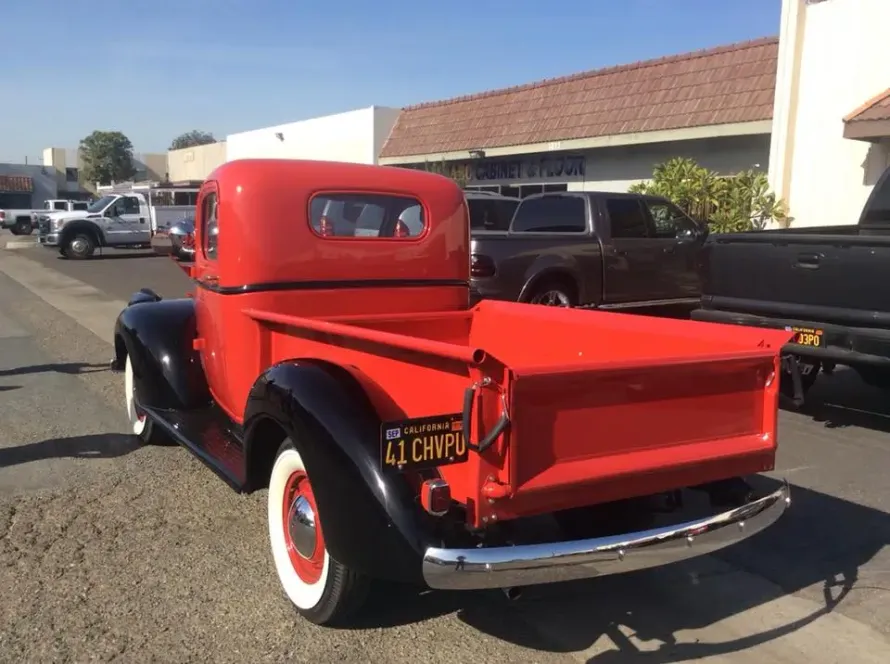


Classic car mechanical restoration focuses on repairing and rebuilding the systems that make a vintage vehicle run safely and reliably.
This includes the engine, transmission, clutch, brake system, fuel system, cooling system, steering, suspension, and exhaust system.
Unlike cosmetic restoration, mechanical restoration is about drivability. The goal is to make the car start, shift, brake, cool, and drive properly without constant leaks, overheating, or breakdowns.
This 2026 guide explains classic car mechanical restoration costs, what the process includes, whether it is worth the investment.
What is the average cost to restore a classic car?
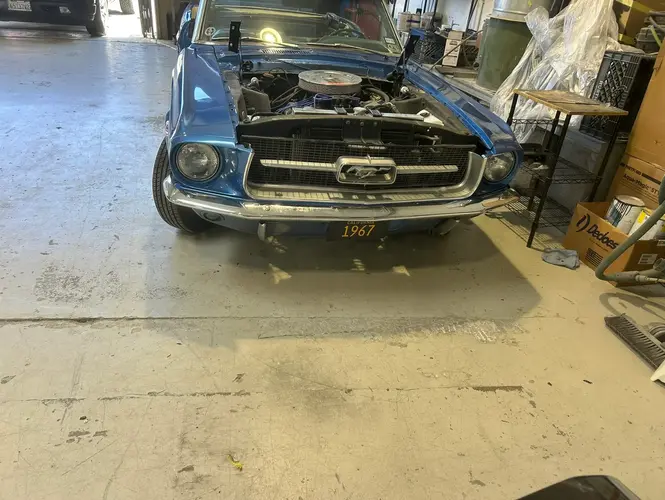
The average cost to restore a classic car depends on the vehicle’s condition, rarity, parts availability, labor required, and whether the project is mechanical-only or part of a complete restoration.
A light mechanical refresh may cost a few thousand dollars. A complete mechanical restoration can range from $15,000 to $50,000 or more.
A full restoration that also includes body restoration, rust repair, paint, interior, and frame-off work can cost significantly more.
High-end or show-quality builds may reach six figures, especially when rare parts, custom fabrication, or extensive metalwork are required.
For mechanical restoration, common cost ranges may include:
- Basic inspection, fluids, belts, hoses, and tune-up: $500–$2,500
- Carburetor rebuild or fuel system service: $400–$1,500+
- Brake system restoration: $1,500–$6,000+
- Clutch replacement or manual drivetrain repair: $1,200–$3,500+
- Transmission rebuild or overhaul: $2,000–$7,500+
- Engine rebuild: $5,000–$20,000+
- Complete mechanical restoration: $15,000–$50,000+
These are general ranges, not fixed prices.
Restoration costs depend on the vehicle’s condition, rarity, parts availability, storage history, rust damage, previous repairs, and whether the car has been modified incorrectly.
A reputable restoration shop should inspect the vehicle before giving a detailed estimate. Hidden issues are common in classic cars.
A simple carburetor tune or brake repair may reveal worn pistons, cylinder head damage, old wiring, fuel contamination, clogged cooling passages, or transmission leaks.
What does classic car mechanical restoration include?
Classic car mechanical restoration usually begins with a full inspection. The technician checks how the car starts, idles, accelerates, shifts, brakes, cools, and handles.
The shop also looks for fluid leaks, worn parts, unsafe repairs, and signs of long-term storage damage.
These early checks help identify common mechanical failures in classic cars before they turn into larger drivability or safety problems.
The exact scope depends on the vehicle, but most mechanical restoration projects include the following systems.
Engine restoration
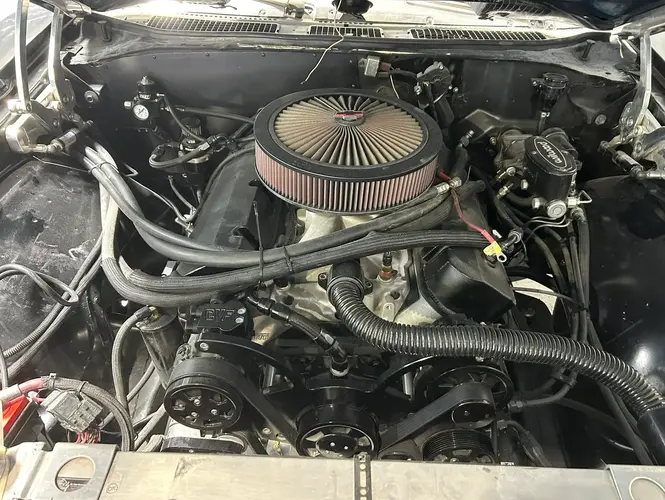
Engine restoration may include disassembly, cleaning, inspection, machining, and rebuilding.
The engine block is checked for cracks, worn cylinder walls, corrosion, and damaged threads. If needed, the block may be cleaned, bored, honed, resurfaced, or repaired.
The cylinder head is inspected for cracks, warping, valve wear, and gasket failure. Restoration may include resurfacing, valve work, new seals, guides, springs, pistons, rings, bearings, timing components, gaskets, and oiling components.
This stage is important because engine problems can affect compression, oil pressure, power, temperature control, and long-term reliability.
Fuel and carburetor restoration
Many classic cars use carburetors instead of modern fuel injection. A carburetor may need cleaning, rebuilding, jet adjustment, float adjustment, gasket replacement, or complete replacement.
The fuel system should also be inspected. Old fuel tanks, lines, filters, and pumps can create drivability problems.
Rust, varnish, and debris in the fuel system can cause hard starting, rough idle, hesitation, stalling, or fuel leaks.
Transmission and clutch repair
The transmission is inspected for slipping, grinding, leaks, delayed engagement, worn gears, and shifting problems.
Manual vehicles may also need clutch replacement, flywheel resurfacing, linkage adjustment, or hydraulic repair.
For automatic transmissions, restoration may include resealing, valve body work, band adjustment, torque converter inspection, or a complete transmission overhaul. A properly restored drivetrain helps the vehicle shift smoothly and transfer power correctly.
Brake, cooling, and exhaust system repair
The brake system is one of the most important safety areas in any classic car. Restoration may include the master cylinder, wheel cylinders, calipers, brake lines, hoses, drums, rotors, pads, shoes, parking brake cables, and brake fluid.
Classic cars may also need cooling system work, especially if they overheat in traffic. Cooling repairs may include the radiator, water pump, thermostat, hoses, fan, fan clutch, coolant passages, and temperature sensors.
The exhaust system is checked for rust, leaks, cracked manifolds, damaged mufflers, and poor previous modifications. A properly repaired exhaust system helps reduce fumes, improves engine breathing, and supports better drivability.
What is the 30 60 90 rule for cars?
The 30 60 90 rule usually refers to vehicle maintenance intervals at 30,000, 60,000, and 90,000 miles. For classic car restoration, the same idea can be adapted as a simple planning framework to organize the project in stages.
At the first stage, the shop focuses on inspection, diagnosis, safety concerns, and project planning. This helps identify what the car needs before major money is spent.
The middle stage usually covers the major mechanical work, such as engine rebuilding, transmission overhaul, clutch repair, brake system restoration, carburetor work, cooling system repairs, and exhaust system service.
The final stage includes tuning, road testing, leak checks, alignment, adjustments, and quality control.
This approach helps owners prioritize mechanical reliability before spending heavily on cosmetic work. Paint, interior, and body restoration are important, but the vehicle should be safe, dependable, and road-ready first.
Is it worth it to restore a classic car?
Restoring a classic car can be worth it when the vehicle has personal value, collector value, historical importance, or long-term enjoyment potential. It is especially worthwhile when the restoration improves safety, reliability, and drivability.
However, restoration is not always the cheapest option. In some cases, buying a finished classic car may cost less than restoring one from poor condition.
Restoration makes more sense when you already own the car, want a specific build, care about originality, or want confidence that the mechanical work was done correctly.
Mechanical restoration may be worth it if the vehicle has:
- Low compression or engine smoke
- Knocking, ticking, or poor oil pressure
- Carburetor problems or fuel leaks
- Transmission slipping or grinding
- Clutch issues
- Weak or unsafe brakes
- Overheating in traffic
- Exhaust leaks or fumes
- Long-term storage damage
- Poor previous repairs
From a practical standpoint, the best restoration projects start with the mechanical foundation. A classic car should be able to start, stop, cool, shift, and drive safely before major cosmetic upgrades are prioritized.
One common mistake is assuming the visible problem is the only problem.
For example, a car may come in for overheating, but the real issue may involve a clogged radiator, poor ignition timing, a weak water pump, blocked coolant passages, or an incorrectly tuned carburetor. Accurate diagnosis helps prevent wasted money.
How long does classic car mechanical restoration take?
A small mechanical restoration may take a few weeks. A larger project involving engine rebuilding, transmission overhaul, brake restoration, clutch work, cooling repairs, and road testing may take several months.
Complete projects that include body restoration, frame-off restoration, rust repair, paint, interior, and mechanical work can take six months to more than a year.
Timeline depends on the project scope, shop schedule, parts availability, machine shop work, and whether hidden damage is found during teardown.
A good restoration company should explain the expected timeline before work begins and provide updates as the project moves forward.
What do you call a person who restores classic cars?
A person who restores classic cars is commonly called a classic car restorer, automotive restoration specialist, restoration technician, vintage car mechanic, or classic car mechanic.
For mechanical restoration, the ideal professional is someone with experience in older engines, carburetors, transmissions, clutch systems, brake systems, exhaust systems, cooling systems, and period-correct repair methods.
Certifications such as ASE credentials can help show technical knowledge. However, restoration experience, completed project photos, customer reviews, and a strong portfolio are also important.
How to find reputable classic car restoration services near me
If you are searching for classic car restoration, choose a shop with proven experience working on vintage vehicles similar to yours.
A general repair shop may be able to handle basic maintenance, but classic car mechanical restoration requires knowledge of older systems, obsolete parts, custom repairs, and restoration-level detail.
When comparing classic car restoration companies, review:
- Years of classic vehicle restoration experience
- Mechanical restoration portfolio
- Engine rebuilding experience
- Transmission and clutch repair capability
- Brake system restoration knowledge
- Carburetor and fuel system expertise
- Body restoration and rust repair capability
- Frame-off restoration experience
- Customer reviews and testimonials
- Written estimates and project documentation
- Warranty options on labor and parts
Do not choose a restoration company only because it gives the lowest estimate. A low quote can become expensive if the shop misses hidden problems, uses poor-quality parts, or lacks experience with classic vehicles.
Instead, choose a company that explains the process clearly, documents the work, provides realistic pricing, and stands behind the finished project.
Final thoughts
Classic car mechanical restoration is one of the most important investments you can make in a vintage vehicle.
It focuses on the systems that determine whether the car can be driven safely and reliably, including the engine block, cylinder head, pistons, carburetor, transmission, clutch, brake system, cooling system, and exhaust system.
Before starting, get a detailed inspection, understand the scope of work, review the shop’s experience, and ask about warranty options.
A reputable restoration shop should explain the process clearly, provide realistic expectations, and help you prioritize the mechanical repairs that matter most.
If you are looking for classic car mechanical restoration in Huntington Beach or nearby Orange County areas, Coastline Classic Car Restorations can help inspect, repair, and restore your vintage vehicle’s key mechanical systems so it can be safer, more reliable, and ready for the road.
FAQs
What is the average cost to restore a classic car?
Mechanical restoration may range from $15,000 to $50,000 or more, depending on the vehicle’s condition, parts availability, labor, and project scope. A full restoration with paint, interior, rust repair, and frame-off work can cost significantly more.
Is it worth it to restore a classic car?
Yes, restoring a classic car can be worth it when the vehicle has personal, collector, or long-term enjoyment value. It is especially worthwhile when the work improves drivability, safety, and reliability.
What do you call a person who restores classic cars?
A person who restores classic cars may be called a classic car restorer, automotive restoration specialist, restoration technician, vintage car mechanic, or classic car mechanic.