Repair original cooling components when they remain structurally sound and originality matters.
Replace parts that are damaged beyond dependable restoration.
Upgrade the system when a correctly functioning original configuration cannot meet the vehicle’s current heat load or driving conditions.
The right choice depends on:
Component condition
Vehicle use
Engine output
Originality goals
Parts quality…
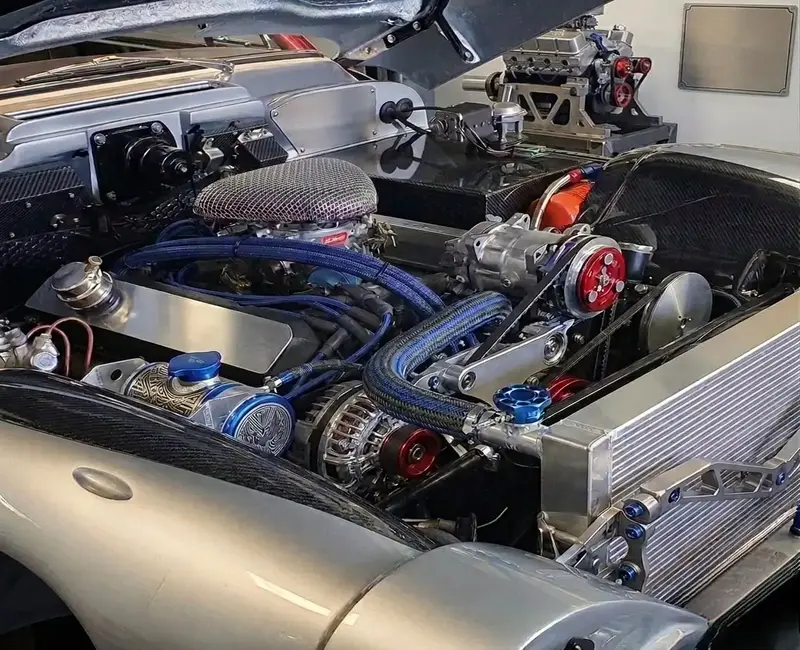
Classic car cooling-system restoration typically costs $150 to $4,000+, depending on the problem, vehicle, parts availability, labor, and whether the system needs a targeted repair or complete restoration.
Broad planning ranges include:
Minor repair or service: $150–$500
Major component repair or replacement: $500–$1,500
Full cooling-system restoration: $1,500–$4,000+
These are estimates—not fixed quotes. A rare radiator, severe corrosion, custom fabrication, engine…
A classic-car cooling system controls engine temperature by circulating coolant through the engine, transferring absorbed heat through the radiator, moving air across the radiator core, and maintaining the correct system pressure.
Most systems rely on:
Water pump
Engine water jackets
Thermostat and bypass circuit
Radiator
Fan and shroud
Pressure cap
…
Many customers ask:
What Happens If We Don’t Rebuild a Classic Car Engine?
If you don’t rebuild a worn classic car engine, performance will steadily decline, internal components will degrade, and the engine can ultimately fail completely—often leading to significantly higher repair or replacement costs.
Performance continues to decline
Internal damage accelerates over…
Common signs of head-gasket failure in a classic car include persistent white exhaust smoke after warm-up, unexplained coolant loss, and repeated overheating.
Other warning signs include combustion bubbles in the cooling system, low compression in adjacent cylinders, and coolant contamination in the engine oil.
No single symptom confirms a failed head gasket.
A cooling-system pressure test, compression test,…
After a properly completed engine rebuild, your classic car should generally run more smoothly and deliver more consistent performance.
If the rebuild corrected worn rings, cylinders, bearings, or other internal components, you may also notice improved cylinder sealing, more stable oil pressure, and reduced oil consumption.
These improvements may become more noticeable after the piston rings seat…