

How Do You Fix Parasitic Drain in a Classic Car?
To fix parasitic drain in a classic car:
- Confirm the drain exists
- Measure current draw accurately
- Isolate the faulty circuit
- Inspect wiring and components
- Repair or replace the root cause
The goal is not to replace parts—it’s to eliminate the source of unwanted current flow.
Quick Answer
Parasitic drain is fixed by identifying where electricity is leaking when the car is off and repairing the faulty wiring, component, or circuit responsible.
The issue is almost always electrical—not the battery itself.
If Your Battery Keeps Dying Overnight, Where Should You Start?
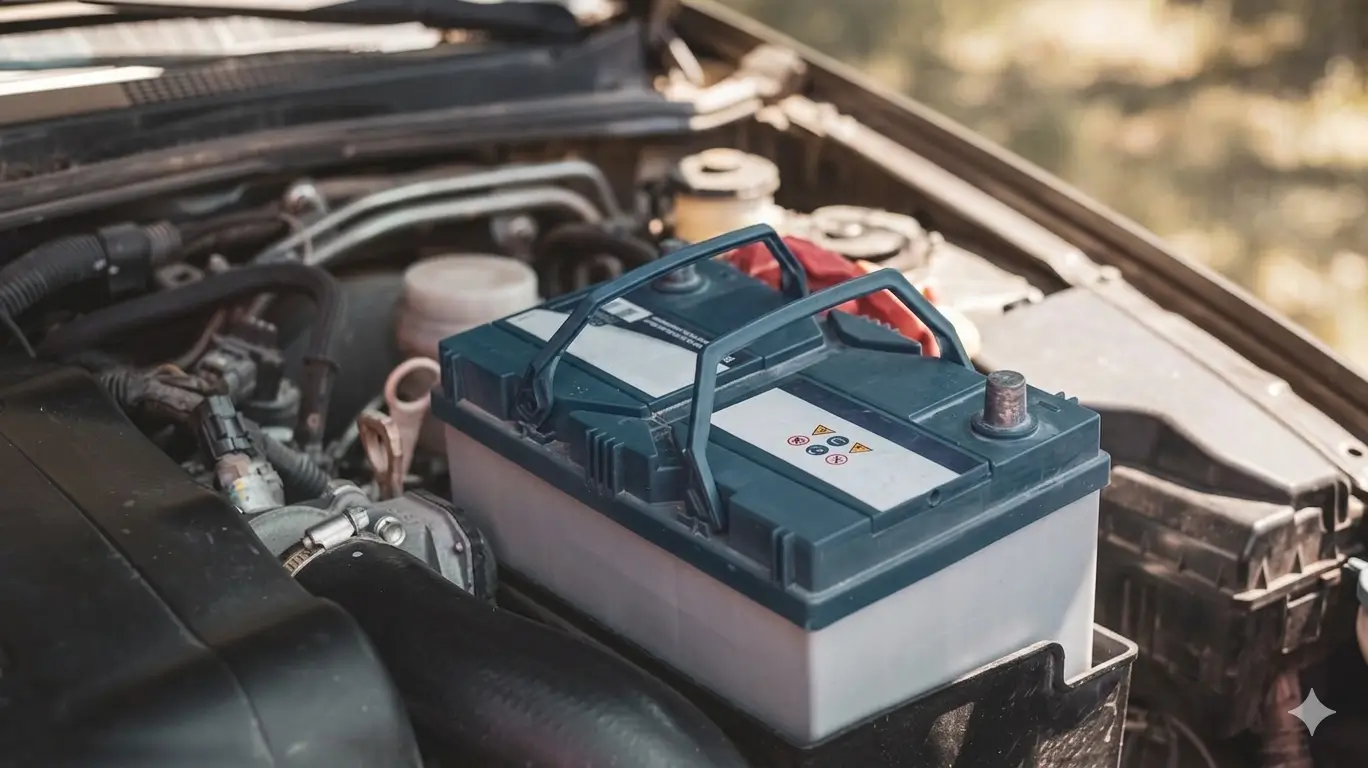
If your battery dies overnight or after sitting:
- It’s not random
- It’s not just the battery
It’s almost always a hidden electrical drain somewhere in the system, often tied to broader electrical problems in classic cars that go unnoticed.
If you haven’t diagnosed the cause yet, check: Why Your Classic Car Battery Dies Overnight.
Why is Parasitic Drain Worse in Huntington Beach?
Coastal exposure leads to:
- Salt-heavy air
- Moisture
- Temperature fluctuations
This causes:
- Copper corrosion (“green death”)
- Increased resistance
- Micro electrical leaks
Even a layer of salty grime on your battery can slowly drain voltage.
Pro Tip: Clean the battery surface regularly to prevent surface-level current leakage.
What are you Actually Fixing When Diagnosing Parasitic Drain?
A parasitic drain means:
Electricity is flowing when the vehicle is OFF.
- True classic → 0.00mA expected
- Modified classic → under ~50mA acceptable
Anything beyond this indicates a problem.
Step 0: Temporary fix (Battery Kill Switch)
If you don’t drive often:
Install a battery disconnect switch
This:
- Prevents battery drain
- Protects system
- Adds safety
This is NOT a real fix—just temporary protection.
Step 1: Confirm You Have a Drain
Battery Isolation Test:
- Fully charge battery
- Disconnect negative terminal overnight
- Reconnect next day
If battery holds charge → drain confirmed
Spark Test (Quick Indicator)
- Turn everything off
- Tap cable to terminal
Small spark = normal
Strong spark = active drain
Avoid if you have sensitive electronics installed.
Step 2: Perform a Parasitic Draw Test
Steps:
- Turn off vehicle
- Disconnect negative cable
- Connect multimeter in series
- Measure current
As demonstrated in Hagerty’s step-by-step diagnostic guide, this setup allows you to see exactly how many milliamps are escaping. While a modern car might pull 50mA, a true classic should ideally read 0.00mA.
Step 3: Isolate the Faulty Circuit
Standard Method:
- Pull fuses one by one
- Watch for current drop
Drop = faulty circuit found
Pro Method: Voltage Drop Testing
- Measure voltage across each fuse
Helps:
- Identify active circuits
- Detect hidden drains
- Avoid triggering systems
Step 4: Inspect Wiring and Components
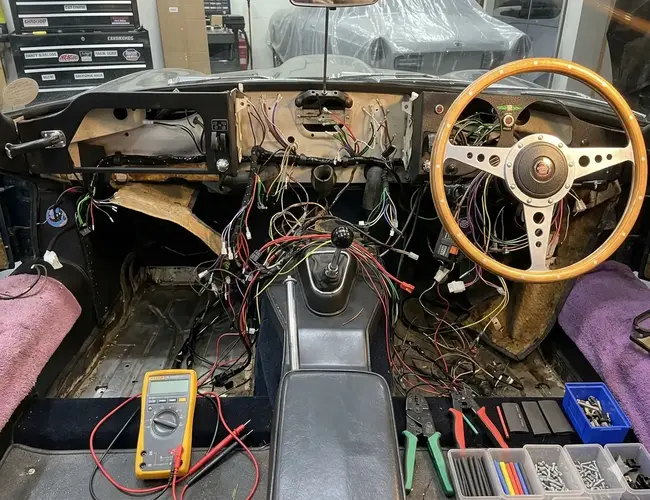
Check for:
- Frayed insulation
- Loose grounds
- Corroded connectors
- Poor previous repairs
Most issues come from wiring—not components.
Pro Tip: Check Hidden Drain Areas First
Common hidden causes:
- Glovebox light stuck on
- Trunk light always on
- Interior light misaligned
Test:
- Record video
- Close compartment
Light stays on = drain source
Step 5: Check Aftermarket Components
Disconnect:
- Audio systems
- LED upgrades
- Alarm systems
These are common causes of hidden drain.
Step 6: Test the Alternator
A faulty diode can act like a “one-way valve” that is stuck open.
It lets electricity flow backward even when the car is off.
This causes:
-
Power to leak into the alternator
-
Battery to drain completely while parked
The Test: Disconnect the alternator leads overnight. If the drain stops, you have a diode failure.
As Hagerty’s technical guides explain, disconnecting and taping these wires during your parasitic draw test is the only way to confirm if the alternator—rather than a fuse-protected circuit—is the hidden source of your battery death.
Also check:
-
The “Heat Test”: If the alternator feels warm to the touch after the car has been sitting for hours, it’s a major warning sign that it is actively drawing current.
Step 7: How Do You Repair Parasitic Drain in a Classic Car?
Fix depends on diagnosis:
- Repair damaged wiring
- Clean or replace connectors
- Fix grounding issues
- Replace faulty components
The goal is to eliminate the exact source of current leakage.
When Small Repairs Turn into a Bigger Problem
If issues keep returning, it may point to deeper wiring failure, and understanding the classic car wiring restoration cost can help you decide between ongoing repairs or a full solution.
The Domino Effect
- Fix one wire → another fails
- Repair one connection → another breaks
This leads to:
- Endless troubleshooting
- Higher long-term cost
If you’re seeing repeated issues: see our guide on “Signs Your Classic Car Needs Wiring Harness”.
DIY Fix vs Professional Repair
| Approach | Result | Outcome |
|---|---|---|
| DIY testing | Good start | Limited |
| Single fix | Temporary | High risk |
| Full diagnosis | Accurate | Reliable |
| Harness replacement | Permanent | Higher upfront |
Accurate diagnosis saves time and money.
Common Mistakes to Avoid
- Replacing battery instead of fixing issue
- Ignoring corrosion
- Skipping proper testing
- Overlooking aftermarket wiring
These cause repeated failures.
What Happens If You Ignore Parasitic Drain?
- Battery keeps dying
- Electrical damage
- Fire risk
- Expensive repairs
Electrical problems always escalate.
Final Thoughts: Fix the Cause, Not the Symptom
If your battery dies overnight:
It’s not bad luck—it’s a system issue.
Fixing the root cause:
- Prevents repeat failures
- Protects your vehicle
- Saves money
Get a Professional Electrical Diagnosis
If testing becomes complex or unresolved:
A professional inspection can quickly identify hidden electrical faults.
Contact Coastline Classic Car Restorations in Huntington Beach for expert classic car electrical wiring repair and professional diagnosis.