

One of the most common questions classic car owners ask—especially after restoration—is simple, but important:
“How often should I actually drive my classic car?”
Some owners worry that driving causes wear. Others worry that letting a car sit causes damage. The truth is that both driving & storage affect a classic car, and the key is finding the right balance.
This 2026 guide explains how driving frequency impacts classic cars and when storage makes sense for your vehicle.
It also helps you decide what’s best for your car—especially for owners in Huntington Beach and coastal Orange County, where environmental factors play a key role.
Why Driving Frequency Matters for Classic Cars
Classic cars are mechanical systems designed to be used. When a vehicle sits unused for long periods, several issues can develop, including:
- Dry seals and gaskets
- Stagnant fluids
- Battery discharge
- Fuel system problems
- Corrosion from trapped moisture
On the other hand, excessive or poorly timed driving can expose the car to:
- Salt air
- Moisture
- Road debris
- Wear on vintage components
The goal is controlled, intentional use, not extremes.
Is It Bad to Let a Classic Car Sit Too Long?
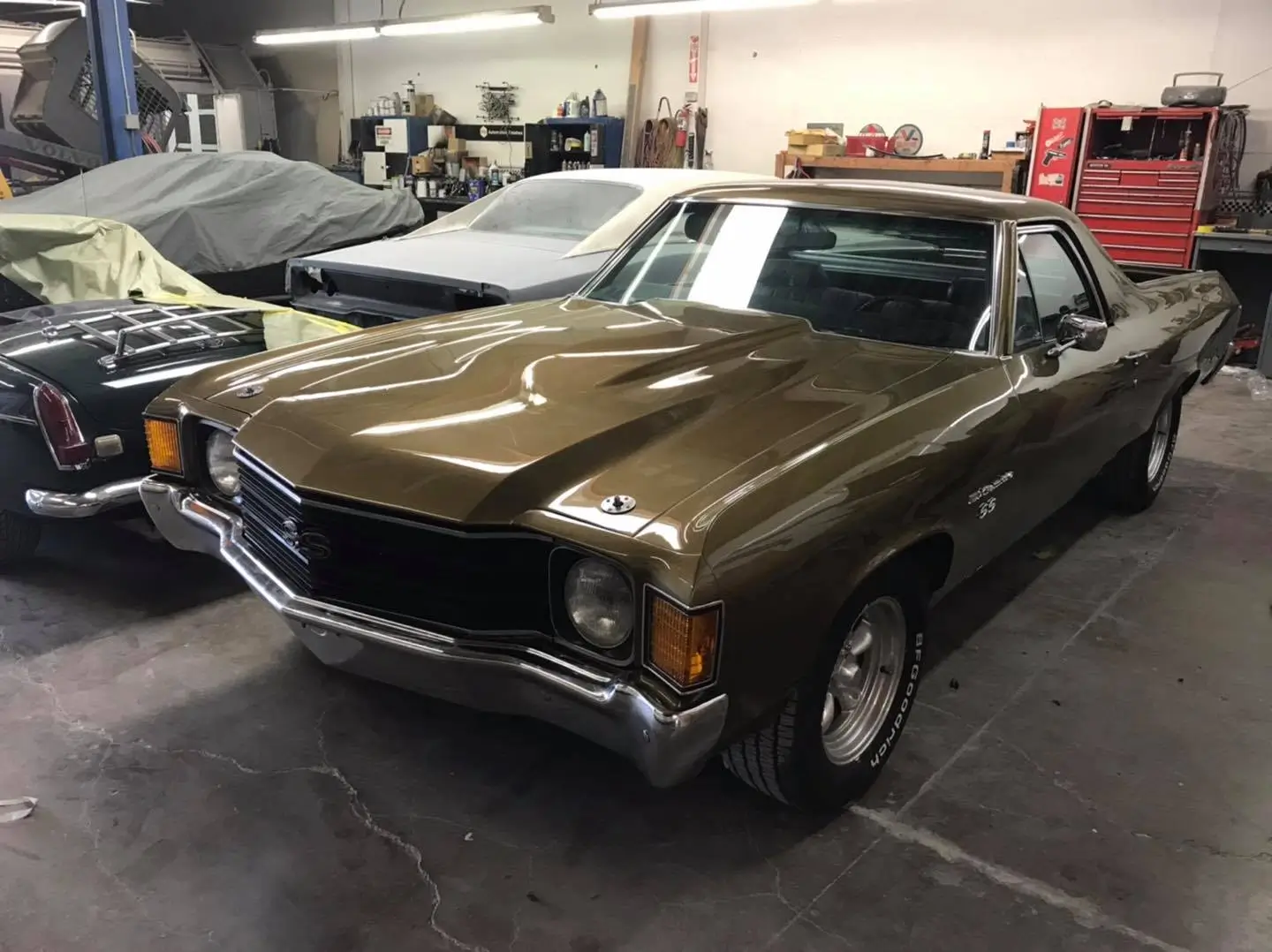
Yes—extended inactivity is one of the most common causes of problems in classic cars.
When a car sits for months without use:
- Rubber seals can dry out and crack
- Fluids lose circulation
- Fuel can degrade
- Brake components can seize
- Moisture can settle in hidden areas
Even fully restored cars are vulnerable if they remain unused.
Short, periodic operation helps keep systems healthy.
Does Driving a Classic Car Help or Hurt It?
In most cases, driving helps, as long as it’s done properly.
Regular, moderate driving:
- Keeps seals lubricated
- Circulates fluids
- Reduces electrical issues
- Prevents fuel system buildup
- Helps identify issues early
However, driving in harsh conditions—heavy rain, salty air, or extreme heat—can accelerate wear if precautions aren’t taken.
How Often Should You Drive a Classic Car?
There’s no single rule, but many professionals recommend:
- Driving the car at least once every few weeks. According to classic car specialists, you should drive your classic car at least once a month, and ideally once every two weeks, to keep it in prime running condition.
- Bringing it fully up to operating temperature
- Allowing all systems to cycle properly
Short starts without full warm-up are less effective than occasional, longer drives.
The focus should be on quality use, not mileage.
Storage vs Driving: Finding the Right Balance
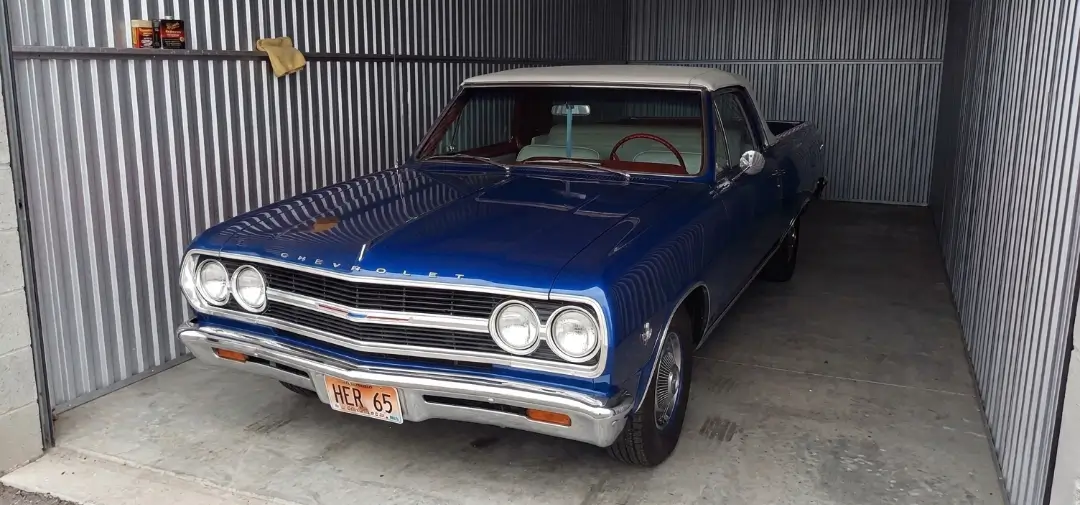
Both storage and driving play a role in long-term preservation.
When Storage Makes Sense
- During long periods of bad weather
- If the car won’t be driven safely
- When proper climate-controlled storage is available
When Driving Is Beneficial
- To prevent system deterioration
- To keep mechanical components functioning
- To maintain drivability & reliability
The healthiest approach usually combines proper storage with regular use.
If you’re unsure how to prepare your vehicle for long periods of inactivity, our detailed guide on storing a classic car safely explains humidity control, ventilation, and coastal protection strategies in more depth.
Coastal Considerations for Driving Classic Cars (Huntington Beach Insight)
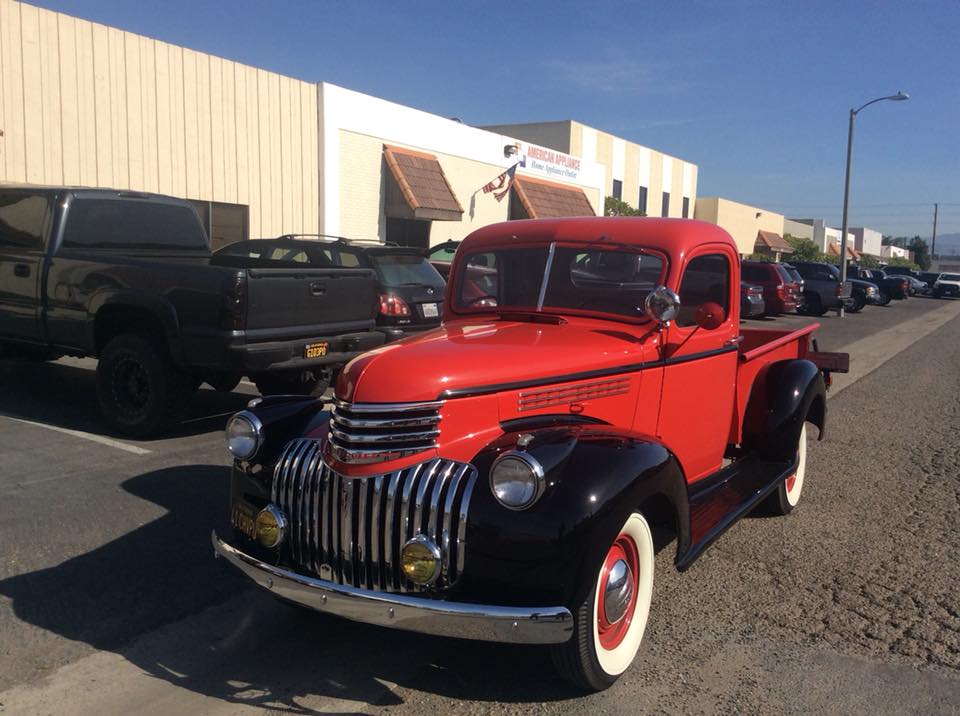
In coastal areas like Huntington Beach:
- Salt air can settle on metal surfaces
- Humidity can accelerate corrosion
- Short drives near the coast may still expose the car to moisture
Because of this:
- Rinsing & drying after coastal drives helps
- Regular inspections are important
- Storage conditions matter as much as driving frequency
Driving is still beneficial—but environmental awareness is key.
Common Mistakes Owners Make With Driving & Storage
Some common issues include:
- Letting a car sit for long periods without starting
- Driving too infrequently or only for short starts
- Assuming restoration eliminates the need for use
- Ignoring storage humidity
- Avoiding driving altogether out of fear
Classic cars thrive with thoughtful care, not avoidance.
Signs Your Classic Car Needs More Use (or Better Storage)
Watch for:
- Fluid leaks appearing after sitting
- Rough idle after storage
- Stiff brakes or steering
- Electrical issues
- Unusual odors or moisture buildup
These often indicate inactivity-related issues.
Frequently Asked Questions
Is it better to drive a classic car or store it?
Both matter. Regular driving combined with proper storage produces the best long-term results.
How long can a classic car sit without being driven?
Extended sitting can cause issues within months, especially without proper preparation and inspection.
Can short drives damage a classic car?
Short starts without full warm-up are less beneficial than occasional longer drives.
Does driving prevent rust?
Driving helps circulate fluids, but corrosion prevention also depends on cleaning, sealing, and storage.
Should restored classic cars be driven regularly?
Yes. Regular, careful use helps maintain mechanical health.
Using Your Classic Car the Right Way
Classic cars were built to be enjoyed—not just admired.
Understanding when to drive, when to store & how to balance both helps protect your restoration & keeps the car reliable.
Based in Huntington Beach, Coastline Classic Car Restorations works with owners throughout Costa Mesa, Newport Beach, and the surrounding Orange County areas.
We help our clients care for their restored vehicles in real-world conditions.