

A classic car typically pulls to one side because of wheel alignment issues, worn suspension or steering components, brake drag, uneven tire conditions, incorrect tire pressure, or changes in ride height.
A complete inspection of the suspension, steering, braking, and tire systems is necessary to determine the exact cause and restore proper handling.
Quick Guide to Why a Classic Car Pulls to One Side
| When the pull occurs | Possible cause | Recommended response |
|---|---|---|
| While cruising on a level road | Alignment, tire, suspension, or steering issue | Inspect tires, ride height, steering, and alignment |
| Only while braking | Unequal braking force or brake drag | Inspect the braking system promptly |
| During acceleration | Steering, suspension, axle, or driveline-related movement | Evaluate the vehicle under load |
| After hitting a bump | Loose suspension or steering components | Inspect joints, bushings, and mounting points |
| After long-term storage | Low tire pressure, flat spotting, brake drag, or seized components | Check tires and brakes before alignment |
| With uneven ride height | Sagging spring or structural concern | Measure ride height before alignment |
What Does It Mean When a Classic Car Pulls to One Side?
Vehicle pull occurs when one side of the vehicle generates more resistance or steering influence than the other.
Instead of maintaining a straight path, the vehicle gradually drifts left or right and requires continuous steering correction.
Common Symptoms Include:
- Steering wheel not centered while driving straight
- Vehicle drifting left or right without driver input
- Constant steering correction
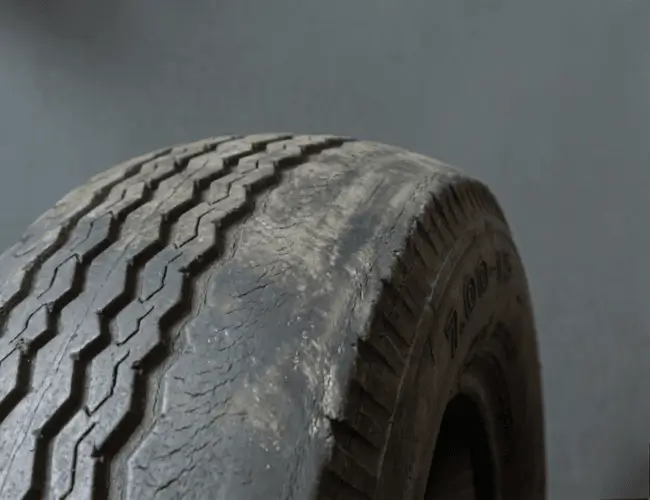
- Uneven tire wear
- Reduced highway stability
- Pulling during acceleration or braking
A properly functioning classic car should travel in a straight line on level pavement with minimal steering correction.
A slight tendency to follow the slope of a crowned road does not always indicate a mechanical problem.
Diagnosis should be performed on a reasonably level road surface because road slope, wind, and uneven pavement can influence vehicle tracking.
A consistent or pronounced pull on multiple road surfaces is more likely to indicate a tire, brake, alignment, steering, suspension, or structural concern.
Which Vehicle Systems Can Cause Pulling?
Several systems influence a classic car’s ability to track straight. Suspension components control wheel movement, steering components direct vehicle travel, brakes regulate stopping forces, and tires maintain contact with the road surface.
When any of these systems develops wear, damage, or improper adjustment, the vehicle may begin drifting to one side. Identifying which system is responsible is the first step toward an accurate diagnosis.
How Suspension Geometry and Alignment Affect Vehicle Tracking
Suspension geometry determines how the wheels are positioned relative to the road surface and chassis.
As components wear or ride height changes over time, important alignment angles can move outside factory specifications and create pulling concerns.
Caster
Caster affects straight-line stability and steering return.
A meaningful left-to-right caster difference can influence directional pull and straight-line stability.
The vehicle may tend to move toward the side with less positive caster, although the actual behavior depends on suspension design, tire condition, road crown, and other alignment angles.
Camber
Camber influences how the tire contacts the road.
A significant left-to-right camber difference can contribute to tire wear and directional pull, although tire construction, ride height, and suspension movement under load should also be considered.
Toe
Toe controls directional tracking. Improper toe settings may cause wandering, instability, and accelerated tire wear.
Alignment angles can change due to:
- Suspension wear
- Impact damage
- Ride height changes
- Steering component deterioration
- Improper previous repairs
Restoring factory alignment specifications helps ensure predictable steering response and stable handling.
Worn Suspension Components
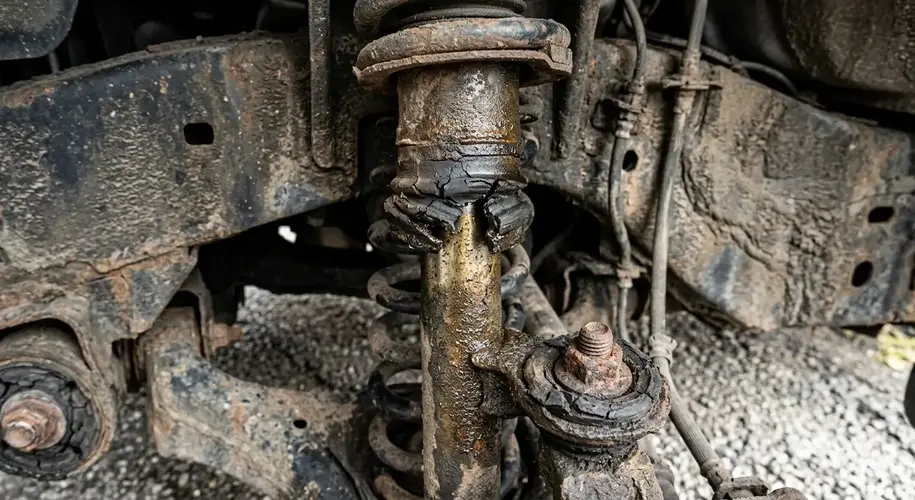
Suspension components naturally wear after decades of use.
Common failure points include:
- Control arm bushings
- Ball joints
- Control arm assemblies
- Spring mounts
- Shock absorber mounts
As wear increases, wheel position can change during driving, causing inconsistent handling and steering drift.
These are often among the early signs your classic car needs suspension repair before more serious handling problems develop.
Steering System Wear
Classic steering systems rely on numerous mechanical connections to maintain directional control.
Components commonly associated with steering pull include:
- Steering boxes
- Steering racks
- Center links
- Drag links
- Tie rod assemblies
- Idler arms
- Pitman arms
Excessive play in these components reduces steering precision and may create wandering or drifting behavior.
Sagging Springs and Uneven Ride Height
Coil springs and leaf springs gradually lose tension over time.
When one corner of the vehicle sits lower than the others, suspension geometry changes and weight distribution becomes uneven.
Common symptoms include:
- Uneven fender gaps
- Vehicle leaning to one side
- Reduced ride quality, which may indicate the same underlying issues discussed in our guide on why a classic car rides rough as suspension components age and deteriorate.
- Steering instability
- Difficulty maintaining alignment
Ride height should always be verified before performing alignment adjustments.
Tire-Related Causes
Tires can create pulling concerns even when suspension and steering components remain in good condition.
Potential tire-related issues include:
- Uneven tire wear
- Incorrect tire pressure
- Mismatched tire sizes
- Internal belt separation
- Flat-spotted tires from long-term storage
A defective tire can sometimes cause a vehicle to drift even when alignment measurements are within specification.
Can Tire Pressure Cause a Classic Car to Pull?
Yes. A tire with significantly lower pressure creates additional rolling resistance and can cause the vehicle to drift toward that side.
Because tire pressure changes naturally over time, pressure should always be checked before performing suspension or alignment diagnostics.
Correct tire inflation is one of the simplest and most important steps in identifying the source of a pulling concern.
Can a Tire Cause Pulling Even When the Alignment Is Correct?
Yes. A tire can create directional pull because of internal construction differences, belt movement, uneven wear, flat spotting, or damage that may not be visible externally.
During diagnosis, technicians may compare tire pressure, tread condition, tire age, wheel condition, and left-to-right tire behavior. In some cases, carefully repositioning compatible tires can help determine whether the direction of the pull changes.
Any tire movement or rotation should follow tire-design requirements, wheel sizing, directional markings, and safety considerations.
A tire-related pull should be confirmed before unnecessary suspension or alignment work is performed.
Why Does My Classic Car Pull Only When Braking?
If the vehicle tracks straight during normal driving but pulls when the brakes are applied, the braking system may be responsible.
Common causes include:
- Sticking brake calipers
- Seized wheel cylinders
- Restricted brake hoses
- Uneven brake adjustment
- Contaminated brake components
When braking forces become unequal between the left and right sides, the vehicle naturally moves toward the side generating greater resistance.
Why Does My Classic Car Pull While Driving Straight?
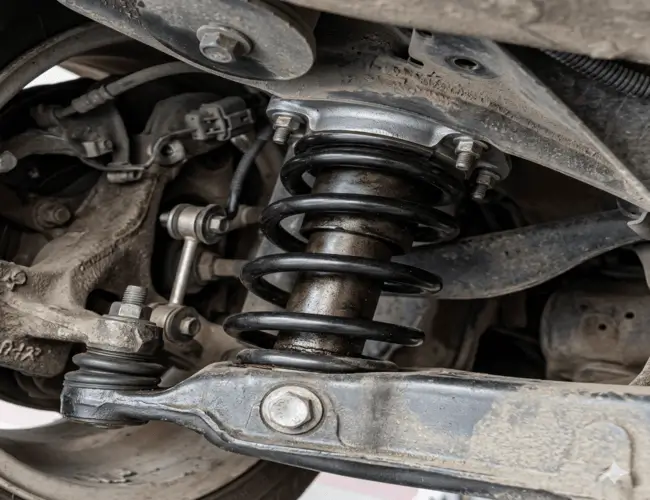
A vehicle that consistently drifts while cruising is more likely experiencing problems related to:
- Wheel alignment
- Suspension wear
- Steering system wear
- Tire defects
- Uneven ride height
These conditions affect vehicle tracking even when the brakes are not being applied.
Is It Safe to Drive a Classic Car That Pulls to One Side?
A mild drift may result from tire pressure, road crown, or a minor alignment issue, but a strong, sudden, or worsening pull should be inspected promptly.
Immediate attention is especially important when pulling occurs with:
- Braking instability
- Loose or unpredictable steering
- Sudden ride-height change
- Tire rubbing
- Severe vibration
- Loud suspension noises
- A wheel that appears tilted
These symptoms may indicate a brake, tire, suspension, steering, or structural problem.
For a broader explanation of driving risk, see the guide discussing whether worn suspension can make a classic car unsafe.
Chassis and Frame Problems
Some classic vehicles have experienced previous collision damage, improper repairs, or decades of structural stress.
When suspension mounting points shift from their original positions, alignment adjustments alone may not fully correct the problem.
A structural inspection may be necessary when pulling concerns persist despite suspension, steering, and alignment repairs.
How We Diagnose a Classic Car That Pulls to One Side
During a pulling-condition inspection, we evaluate the vehicle as a complete system rather than assuming the alignment is the only cause.
The diagnostic process may include:
- Checking tire pressure, size, age, wear, and visible damage
- Comparing ride height from side to side
- Inspecting ball joints, bushings, tie rods, and steering linkage for movement
- Checking for brake drag or unequal brake operation
- Reviewing alignment angles and steering-wheel position
- Inspecting springs, suspension mounts, and chassis attachment points
- Looking for previous collision damage or non-original repairs
- Evaluating when the pull occurs: cruising, braking, accelerating, or traveling over bumps
The timing and direction of the pull often help narrow the diagnosis. A vehicle that pulls only while braking requires a different inspection path than one that drifts continuously at highway speed.
How Suspension and Steering Repairs Correct Vehicle Pull
Correcting vehicle pull depends on repairing the actual cause rather than performing alignment alone.
Depending on the diagnosis, repairs may include:
- Correcting tire pressure or replacing a defective tire
- Repairing brake drag or uneven brake operation
- Replacing worn bushings, ball joints, or steering components
- Correcting sagging springs or uneven ride height
- Repairing damaged suspension mounting points
- Correcting suspension geometry and wheel alignment
Final alignment should be performed after mechanical and structural concerns have been corrected.
How to Prevent a Classic Car From Pulling
Preventative maintenance helps preserve suspension performance and directional stability.
Recommended practices include:
- Annual suspension inspections
- Routine wheel alignment checks
- Tire pressure monitoring
- Steering system inspections
- Ride height verification
- Periodic bushing and ball joint evaluations
Early detection often prevents more extensive repairs and helps preserve both vehicle value and driving enjoyment.
Professional Classic Car Suspension Inspection in Huntington Beach
At Coastline Classic Car Restorations in Huntington Beach, we diagnose and correct the underlying causes of classic cars pulling to one side through professional classic car suspension repair focused on safety, ride quality, and factory-correct handling.
Our restoration process evaluates suspension geometry, steering precision, ride height accuracy, and overall chassis balance to restore stable, predictable vehicle handling.
Whether the issue originates from worn bushings, sagging springs, steering wear, brake drag, tire problems, or alignment concerns, our team performs detailed inspections specifically designed for vintage, antique, and muscle cars throughout Orange County.
Proper suspension restoration helps your classic vehicle drive as its engineers originally intended—stable, predictable, and enjoyable on every road.