

Storing a classic car correctly is just as important as restoring it. Improper storage can undo years of careful restoration work.
This is especially true in coastal environments like Huntington Beach. Humidity and salt air increase the risk of corrosion and material deterioration.
Many classic car owners ask:
- “Is it better to store my car or drive it?”
- “How do I store a classic car long-term?”
- “Does indoor storage really prevent rust?”
This 2026 guide explains how to store a classic car safely, what mistakes to avoid & how coastal conditions affect storage decisions.
Why Proper Classic Car Storage Matters
Classic cars are built with older materials and designs that are more sensitive to environmental exposure. When stored incorrectly, issues can develop such as:
- Moisture buildup
- Corrosion in hidden areas
- Deterioration of rubber seals and hoses
- Electrical problems
- Interior damage from humidity
Good storage isn’t about leaving a car untouched—it’s about protecting it while it rests.
Indoor vs Outdoor Storage: What’s the Difference?
Indoor Storage
Indoor storage is generally preferred because it:
- Protects against direct weather exposure
- Reduces UV damage
- Limits moisture accumulation
- Improves security
However, indoor storage alone is not enough if ventilation & humidity are not managed.
Outdoor Storage
Outdoor storage increases exposure to:
- Moisture
- Temperature swings
- Salt air (especially near the coast)
- UV damage
If outdoor storage is unavoidable, additional protective measures are critical.
How Coastal Conditions Affect Classic Car Storage
In Huntington Beach & Orange County, salt particles carried by ocean air can settle on metal surfaces—even indoors. Combined with humidity, this accelerates corrosion.
Coastal storage requires:
- Extra attention to moisture control
- Regular inspection
- Proper sealing & ventilation
Ignoring these factors often leads to rust returning after restoration.
Preparing a Classic Car for Storage
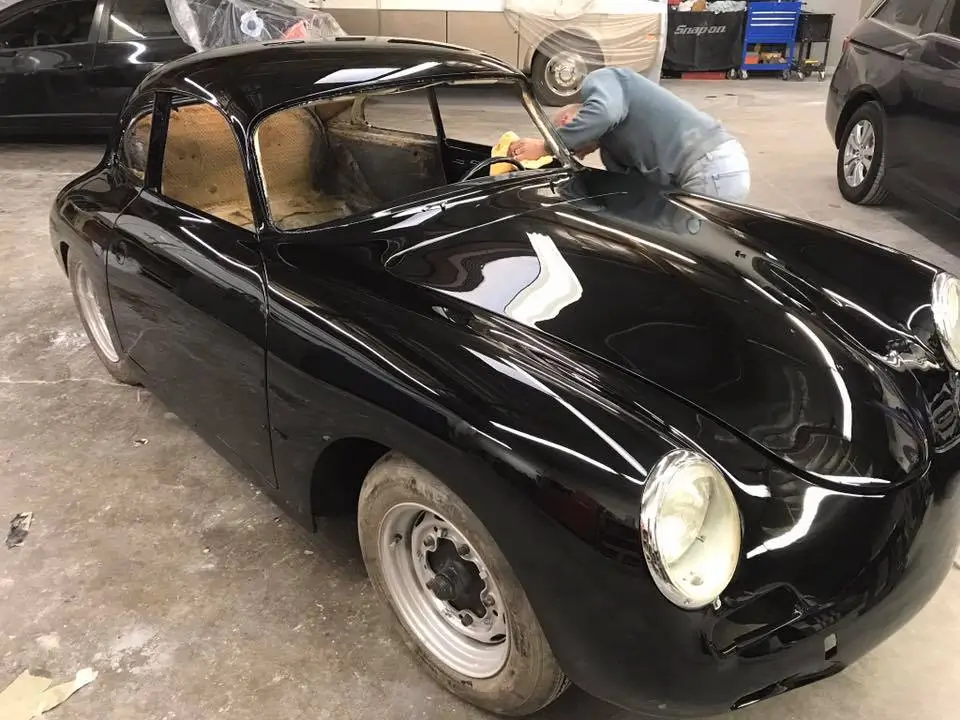
Before storing a classic car, several steps help reduce long-term damage.
Important preparation steps include:
- Cleaning and drying the exterior thoroughly
- Inspecting for existing moisture or leaks
- Ensuring drainage points are clear
- Checking seals and gaskets
- Protecting painted surfaces
Preparation is one of the most overlooked storage steps — & one of the most important.
Managing Humidity & Ventilation
Humidity control is essential, especially near the coast.
Effective strategies include:
- Climate-controlled storage when possible
- Using dehumidifiers or moisture absorbers
- Ensuring air circulation
- Avoiding sealed environments with trapped moisture
A dry environment significantly reduces corrosion risk.
Protecting the Interior During Storage
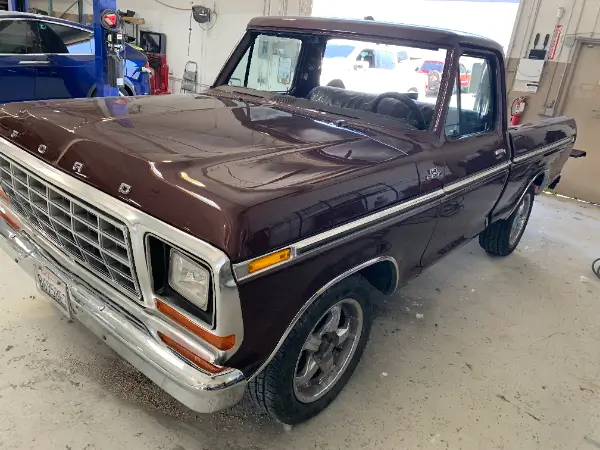
Interior materials can be damaged by prolonged humidity and lack of airflow.
Best practices include:
- Keeping interiors clean & dry
- Avoiding plastic covers that trap moisture
- Allowing airflow inside the cabin
- Monitoring carpets & floor areas for dampness
Hidden moisture inside the cabin often leads to unseen corrosion beneath floors.
Tire, Suspension & Mechanical Considerations
Long-term storage affects mechanical components.
Key considerations:
- Tire pressure should be checked periodically
- Avoid leaving the vehicle on uneven surfaces
- Periodic movement can prevent flat spotting
- Fluids should be inspected before & after storage periods
Mechanical systems benefit from occasional attention—even while stored.
How Long Can a Classic Car Be Stored Safely?
There’s no universal time limit, but risks increase when:
- Storage extends for many months without inspection
- Humidity control is inadequate
- The vehicle is never started or moved
- Storage conditions fluctuate
Long-term storage works best when paired with periodic checks & proper preparation.
Understanding how often a classic car should be driven can also help prevent inactivity-related issues during extended storage periods.
Common Classic Car Storage Mistakes
Some common storage-related mistakes include:
- Assuming indoor storage eliminates corrosion
- Sealing the car in airtight covers
- Ignoring humidity levels
- Skipping inspections during storage
- Forgetting about interior moisture
Most storage damage comes from inattention, not time alone.
Frequently Asked Questions
Is it bad to store a classic car long-term?
Not if storage is done properly with humidity control, ventilation, and preparation.
Should a classic car be started while in storage?
Periodic operation can help, but it should be done correctly and consistently.
Does covering a classic car prevent rust?
Covers help, but improper covers can trap moisture and cause corrosion.
Is climate-controlled storage worth it?
For coastal environments, climate control significantly reduces corrosion risk.
Can storage damage a restored classic car?
Yes, improper storage can undo restoration work over time.
Storing Your Classic Car the Right Way
Classic car storage is about protection, not neglect. When done correctly, it preserves restoration work, protects value & ensures your car is ready to enjoy when the time comes.
Based in Huntington Beach, Coastline Classic Car Restorations provides expert long-term care for coastal conditions.
We proudly serve classic car owners across Orange County, including Costa Mesa, Newport Beach, Fountain Valley, and Irvine.